

 发送
发送 分享
分享
 详情
详情 指南
指南

 下载图片
下载图片
 相似作品
相似作品 幻灯片播放
幻灯片播放 统计数据
统计数据Chellini Madonna, verso
 Bronze
- Sculpture
- Early Renaissance
 28.0 x 28.0 cm
 维多利亚和阿尔伯特博物馆
 阅读全文
阅读全文
手工油画复制品
由我们的艺术家按需定制,为您提供您所选尺寸及画框的布面手工油画。 ( 切换至版画销售渠道 切换至数字图像销售渠道)




































您可以从与原作比例一致的预设尺寸中进行选择。

请输入您需要的宽度和高度,以适配您的画框或墙面。由于作品为手工绘制,若您选择不同的尺寸比例,艺术家可能会在画面边缘多画一些或稍作裁剪 —— 由您决定。在开始绘画之前,我们会为您发送一份数字效果图供您确认。本页面上展示的图片并非最终实物 —— 只有效果图才能反映真实结果。
下单后,OriginalUniqueArt.com 团队将通过电子邮件联系客户获取具体要求,并提供效果预览图


 玻璃选项仅适用于110厘米以下的尺寸。

Chellini Madonna, verso
复制品材质
复刻品尺寸说明
-


总计金额
¥ 2353
The Enigmatic Beauty of Donatello’s Chellini Madonna
Donatello's "Chellini Madonna," a bronze relief cast in the mid-15th century, stands as a remarkably intimate and profoundly moving work within the artist’s oeuvre. More than simply a depiction of the Virgin Mary cradling her infant son and two angels, it represents a fascinating experiment in sculptural technique and a testament to Donatello's evolving artistic vision. The piece, now housed in the Victoria and Albert Museum in London, offers a glimpse into the mind of a master grappling with both classical ideals and his own innovative approach to form and representation. Its reverse side, ingeniously hollowed out, served as a mold for casting replicas in glass – a testament to Donatello’s forward-thinking spirit and desire to disseminate his art.
A Composite Masterpiece: Technique and Innovation
Donatello's genius lies not only in the subject matter but also in the remarkably sophisticated method employed in its creation. The sculpture is a composite work, skillfully assembled from multiple pieces – a technique documented by Donatello’s physician, Giovanni Chellini, who meticulously recorded the circumstances of the gift. This deliberate construction, likely drawing inspiration from Roman precedents, showcases Donatello's keen eye for detail and his willingness to adapt and innovate. The use of casting in bronze, then replication through glass, was a groundbreaking approach at the time, demonstrating an understanding of material properties and a desire to explore new possibilities in artistic reproduction. The tool marks visible on the surface are not blemishes but rather evidence of the sculptor’s hand, adding to the work's tactile quality and sense of authenticity.
Symbolism and Emotional Resonance
Beyond its technical brilliance, the "Chellini Madonna" is rich in symbolic meaning. The composition itself – a shallow depth creating an intimate tableau – immediately draws the viewer into a world of maternal love and serene devotion. Mary’s gentle expression, her protective posture towards Jesus and John the Baptist, evokes a powerful sense of tenderness and peace. The circular frame further emphasizes this feeling of enclosure and security, mirroring the Madonna's role as a sanctuary for her children. The inclusion of the four angels adds an element of divine grace and guardianship, reinforcing the sacred nature of the scene. It’s a work designed to inspire contemplation and evoke profound emotional responses – a hallmark of Renaissance art striving to capture both beauty and spiritual depth.
Historical Context and Donatello's Legacy
Donatello’s “Chellini Madonna” emerged during a pivotal period in the Florentine Renaissance, a time of renewed interest in classical antiquity and a burgeoning emphasis on humanism. Influenced by his study of Roman sculpture, Donatello broke from the prevailing International Gothic style, embracing a more naturalistic and expressive approach to depicting the human form. His David, created just a few years earlier, exemplified this shift, portraying the biblical hero with unprecedented realism and psychological depth. The Madonna roundel reflects this evolution, retaining elements of classical idealism while imbuing the figures with a palpable sense of humanity. Donatello’s legacy as one of the most influential sculptors of the Renaissance is firmly established, and the “Chellini Madonna” remains a poignant example of his artistic genius – a work that continues to captivate viewers centuries after its creation.
问答详情
"Chellini Madonna, verso" 的材质是什么,采用了哪种风格?
多纳泰罗 的《Chellini Madonna, verso》 将 Bronze 技法与 Early Renaissance 流派风格完美融合。技法与流派分别描述了作品的创作手法及其艺术风格。
《Chellini Madonna, verso》这一Early Renaissance风格的作品传达了怎样的情感基调?
"Chellini Madonna, verso" 在 Early Renaissance 运动中蕴含着 Tranquil 的情感基调。
是否有关于 多纳泰罗 的《Chellini Madonna, verso》 的指南?
针对 多纳泰罗 的《Chellini Madonna, verso》,我们提供了一个 指南 页面:这是一份可打印的艺术品资料页,专为学生及课堂教学使用而设计。
艺术家简介
早年生活与艺术生涯
多纳托·迪·尼科洛·迪·贝托·巴尔迪,即世人熟知的多纳泰罗,于1386年左右出生于意大利佛罗伦萨。他潜心钻研古典雕塑,这段深厚的学术积淀深刻影响了他早期文艺复兴风格的形成。这种全新的艺术与文化视角,最终成为了佛罗伦萨文艺复兴时期最鲜明的时代印记。传世杰作与艺术革新
多纳泰罗最负盛名的作品《大卫》是自古希腊罗马以来,第一尊可以独立存在的男性裸体雕塑。这部由美第奇家族委托创作的杰作,不仅展现了他无与伦比的创新风格,更彰显了其精湛的艺术技艺。此外,他的其他卓越成就还包括:- 《以撒的祭献》,为佛罗伦萨圣母百花大教堂钟楼创作,其作品以细腻且富有张力的肖像细节著称。
- 创作于1425年的《十字架》,用于圣十字大殿,生动地捕捉了基督在极度痛苦瞬间的情感表达。
艺术风格与历史遗产
多纳泰罗的艺术风格可以划分为几个宏大的阶段,其演变始于表现力的深度挖掘与古典纪念性的重塑。尽管他的作品在创作初期并未立即获得整个社会的广泛认可,但随着时间的推移,他最终成为了最受追捧的大师,其影响力跨越了地域,波及了其他意大利宫廷乃至整个欧洲的艺术家。核心艺术运动:个人生活与创作态度
多纳泰罗以其亲切随和、深受爱戴的性格而闻名,然而在职业生涯的商业经营方面却显得有些笨拙。他往往倾向于接受超出自己处理能力的委托,这导致他的许多作品经常面临延期交付,甚至不得不将部分工作交给其他雕塑家共同完成。艺术巨匠与杰作:博物馆与艺术收藏:
- 埃姆波利圣教会议博物馆(意大利,埃姆波利):一座文艺复兴时期的艺术瑰宝,馆藏有弗朗切斯科·博蒂奇尼与拉斐尔·博蒂奇尼的作品。

多纳泰罗
1386 - 1466 , 意大利
快速概览
- Artistic Movement Or Style: 早期文艺复兴
- Artists Or Movements Influenced By This Artist:
- 意大利文艺复兴
- 早期文艺复兴
- 佛罗伦萨文艺复兴
- Artists Who Influenced This Artist: ['古典雕塑']
- Date Of Birth: 约 1386年
- Date Of Death: 1466年
- Full Name: 多纳泰罗·迪·尼科洛
- Nationality: 意大利
- Notable Artworks:
- 大卫
- 图卢兹的圣路易
- 以撒的牺牲
- 十字架
- Place Of Birth: 意大利,佛罗伦萨
相关文章
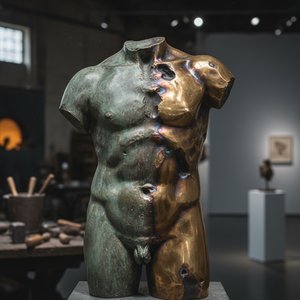
青铜雕塑艺术史:跨越千年的力量与美感,探究古代铸造工艺与现代创作的永恒魅力
探索青铜雕塑的千年魅力,本文由资深艺术史学者撰写,深入解析古代铸造技术与现代收藏价值。为高端藏家提供专业鉴定、保养指南和投资建议,让您在信任与品质中发现珍贵艺术品。

The Enduring Legacy of Bronze: A Historical & Artistic Exploration for the Collector
Explore the rich history & enduring appeal of bronze sculpture with expert insights for collectors at OriginalUniqueArt. Learn about casting techniques, iconic artists, collecting tips & contemporary interpretations.
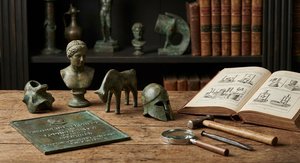
青铜艺术的永恒遗产:历史、技艺与收藏家的鉴赏之道
探索青铜艺术的辉煌历史、精湛技艺与收藏价值。深入了解失蜡法铸造工艺,掌握青铜器鉴赏技巧,规避市场风险。OriginalUniqueArt.com为您提供专业的艺术咨询和定制服务。

Bronze Sculptures That Defined Art History | OriginalUniqueArt
Journey through art history with our Top 10 bronze sculptures! Explore masterpieces by Rodin, Michelangelo & more. Discover stories behind iconic statues and find museum-quality reproductions for your home decor at OriginalUniqueArt.com.

Bronze Age to Modern Masters: 10 Sculptures That Redefined Art | OriginalUniqueArt
Journey through art history with 10 legendary bronze sculptures – from Michelangelo's David to Rodin’s Thinker. Explore the stories, techniques & timeless beauty of these masterpieces. Find museum-quality reproductions & elevate your home decor on OriginalUniqueArt.com.