

 实景预览
实景预览
 发送
发送 分享
分享
 详情
详情 指南
指南

 下载图片
下载图片
 相似作品
相似作品 X射线
X射线 幻灯片播放
幻灯片播放 统计数据
统计数据Young Man Singing
 Acrylic
- WallArt
- Dutch Baroque
 1622
1622 58.0 x 71.0 cm
 施泰德美术馆
 阅读全文
阅读全文
艺术微喷/版画
博物馆级艺术微喷或帆布版画,制作高效,并提供多种饰面选择。 ( 订购此收藏品的纯手工复刻画作 切换至数字图像销售渠道)




P118B $10

P118H $10

P118W $10

P438Z $10

P508JH $12

P508YH $12

P805H $10

P805Z $10

P919BZ $10

P919G $10

P919XJ $10

P959ZH $10

P968JZ $12

W106C $8

W218G $10

W218JH $8

W218Y $10

W307PJ $10

W316G $10

W316PJ $8

W316Y $10

W398PJ $8

W4111J $10

W500HY $15

W500JH $15

W692G $12

W849H $8

W940BG $15

W953PJ $8




您可以从与原作比例一致的预设尺寸中进行选择。

您可以输入自定义尺寸,以适配特定的画框或空间。如果您选择的尺寸与原图比例不符,我们将对作品进行裁剪,或通过镜像填充/纯色填充边缘的方式来扩展图像。在开始制作之前,我们会向您发送一份数字效果图供您确认。
请注意,屏幕上的预览并不能反映实际的裁剪或扩展效果。只有效果图才能准确展示最终的构图。
虽然我们提供定制尺寸,但为了保持原图比例,我们建议您从预设列表中选择尺寸。


 玻璃选项仅适用于110厘米以下的尺寸。

Young Man Singing
艺术微喷/版画
复刻品尺寸说明
-


总计金额
$ 80
A Portrait Steeped in Emotion: Exploring Dirck van Baburen’s ‘Young Man Singing’
The painting “Young Man Singing,” executed by Dirck van Baburen in 1622, stands as a testament to the Utrecht School's embrace of Caravaggio’s revolutionary approach to Baroque art. More than just a depiction of an individual, it’s a carefully constructed tableau brimming with symbolic resonance and masterful execution—a piece that continues to captivate viewers centuries later.Subject Matter and Composition
At its core lies a portrait of a young man dressed in attire typical for the period – a hat adorned with feathers, indicative of social status and artistic aspiration – engaged in an activity that transcends mere observation: he sings or speaks intently into a book held firmly in his hand. This posture isn’t simply one of reading; it conveys a palpable sense of passion and vulnerability. The artist skillfully utilizes chiaroscuro—the dramatic interplay between light and shadow—to sculpt the man's form, emphasizing musculature and conveying an emotional depth rarely seen in portraits of this era. Two birds are subtly integrated into the composition – one perched near the upper left corner and another positioned at the lower right – adding visual interest and potentially symbolizing themes of freedom or contemplation.Style and Technique: Caravaggisti Influence
Van Baburen’s style is undeniably indebted to Caravaggio, whose dramatic use of tenebrismo—extreme contrasts between light and dark—created an illusionistic effect that heightened emotional impact. Like Caravaggio, van baburen employed a direct approach to painting, eschewing idealized beauty for realism infused with psychological insight. The artist meticulously rendered textures – the feathers on the hat, the folds of the man’s clothing – demonstrating considerable technical skill. Furthermore, he achieved remarkable depth and luminosity through careful layering of glazes, capturing the subtle nuances of skin tone and fabric texture.Historical Context: Utrecht's Artistic Renaissance
The painting emerged during a period of significant artistic flourishing in Utrecht—a city that had become a magnet for Caravaggisti artists seeking inspiration beyond Florence and Rome. This movement represented a decisive break from Mannerism, prioritizing naturalistic representation and conveying intense emotion. Van Baburen’s work reflects the broader cultural currents of the time, signaling an interest in humanist ideals and exploring the complexities of human experience. The Utrecht School championed a style characterized by dynamism and expressive intensity—a stylistic hallmark that distinguishes it from its predecessors.Symbolism and Emotional Impact
Beyond its technical brilliance, “Young Man Singing” resonates with profound symbolic significance. The book symbolizes knowledge and contemplation, while the singing gesture embodies passion and vulnerability – emotions central to Baroque art’s preoccupation with human psychology. The birds could represent aspiration or spiritual freedom, subtly enriching the narrative conveyed by the image. Ultimately, the painting evokes a feeling of intimacy and introspection, inviting viewers to contemplate the inner life of its subject and reflecting the broader artistic ethos of Utrecht during its golden age.艺术家简介
光与影的交响:迪尔克·范·巴布伦的一生
在荷兰黄金时代的史册中,很少有名字能像迪尔克·范·巴布伦那样,如此强烈地唤起阴影与瞬间光亮交织出的那种直击灵魂的戏剧感。他大约于1595年出生于杜尔斯特德维克,其生命犹如艺术史画布上一颗短暂却璀璨的流星。尽管他的岁月因1624年的早逝而显得悲剧性地短暂,但他却成功点燃了一场风格革命,重新定义了北欧的审美标准。作为乌得勒支卡拉瓦乔派的核心支柱,范·暗布伦不仅仅是在描绘场景;他更是在编排充满张力的瞬间,利用明暗对比法(tenebrism)那冷峻而强烈的语言,将观者拽入其作品主体那亲密且往往带有粗粝感的现实之中。
他的艺术造诣奠基于乌得勒支的画室,师从受人尊敬的保卢斯·莫雷尔斯。然而,他灵魂与画笔真正的蜕变,发生在他1612年至1615年前往罗马的那场变革性的朝圣之旅中。正是在那座阳光普照却又阴影斑驳的永恒之城,范·巴布伦邂逅了卡拉瓦乔那革命性的精神。通过与卡拉瓦乔技法的忠实追随者巴尔托洛梅奥·曼弗雷迪的密切交往,这位年轻的荷兰画家汲取了明暗对照法(chiaroscuro)的奥秘——即利用光影间的极端对比来创造体积感与心理深度的艺术。这种在罗马的沉浸并非仅仅是学术上的研习,更是一场社会地位与职业生涯的攀升;他成功获得了如枢机主教斯基皮奥内·博尔盖塞等显赫赞助人的委托,从而使自己置身于巴洛克运动的最核心地带。
乌得勒支卡拉瓦乔派的诞生
回到荷兰后,范·巴布伦归来时已不再仅仅是一名学生,而是一位先锋。他与亨德里克·特·布鲁格恩、杰拉德·范·洪霍斯特等同辈艺术家并肩作战,引领了一场永远改变了荷兰绘画轨迹的运动。这个被称为“乌得勒支卡拉瓦乔派”的群体,试图将意大利巴洛克的戏剧性强度移植到本土的艺术语境中。他们的作品背离了前辈们那种精致、宁静的风景画风格,转而追求:
- 风俗场景:生动且往往带有喧闹感的日常生活描绘,包括音乐家、饮酒者和农民,其呈现出的存在感令人震撼。
- 明暗对比法:运用深邃且无法穿透的阴影来吞噬背景,迫使观者的视线完全聚焦于被光照亮的形体之上。
- 情感的即时性:专注于人类生存状态,捕捉喜悦、悲伤或沉思静谧中转瞬即逝的表情。
他精湛的技艺使他能够像操纵物理物质一样操控光线,以一种近乎触觉般的精准度从黑暗中雕琢出人物形象。无论是描绘宗教的热忱,还是酒馆里平凡的活动,他的笔触都蕴含着一种能量,架起了意大利艺术宏大尺度与荷兰传统亲密、世俗焦点之间的桥梁。
遗产与历史意义
迪尔克·范·巴布伦的影响力远超乌得勒支的边界。尽管他的职业生涯在三十岁出头时便戛然而止,但他创新的涟漪却跨越了数十年,影响了荷兰巴洛克艺术的发展,甚至为伦勃朗·范·莱因的作品提供了风格上的先驱。伦勃朗后来通过操纵光线来唤起深刻心理真理的手法,在很大程度上承袭了乌得勒支大师们所奠定的基础。
时至今日,人们铭记范·巴布伦,不仅是因为他是意大利大师的追随者,更是因为他是新视觉语言的建筑师。他将画布转化为一个舞台,让光与影在此上演永恒的戏剧,确保了他的名字作为深刻、戏剧化且充满人性温度的大师,永远镌刻在艺术史册之中。他在平凡中发现非凡的能力,至今仍令学者与艺术爱好者为之倾倒,成为了卡拉瓦乔精神持久生命力的明证。

迪尔克·范·巴布伦
1595 - 1624 , 荷兰
快速概览
- Artistic Movement Or Style: 卡拉瓦乔派;乌得勒支派
- Artists Or Movements Influenced By This Artist: ['伦勃朗·凡·莱恩']
- Artists Who Influenced This Artist:
- 保卢斯·莫雷尔斯
- 巴托洛梅奥·曼弗雷迪
- Date Of Birth: 荷兰,乌得勒支(1595年)
- Date Of Death: 1624年
- Full Name: 迪尔克·雅斯珀斯·范·巴布伦
- Nationality: 荷兰
- Notable Artworks:
- 妓女
- 一位哲学家
- 冥想中的圣方济各
- Place Of Birth: 维克比杜尔斯特德
相关文章

荷兰黄金时代绘画:文化创新中的现实主义反思
深入探索荷兰黄金时代绘画的文化创新与现实主义反思。本文解读伦勃朗、维米尔等大师的作品,并结合玛莉特·韦斯特曼的图像学研究,揭示艺术史背后的社会语境与现代性意识觉醒。

巴洛克艺术巅峰:十部巨作定义时代,点亮您的臻品格调
探索巴洛克艺术的辉煌!本文精选十部巨作,带您领略卡拉瓦乔、伦勃朗等大师的光影魔法与戏剧张力。从黄金时代到宗教绘画,感受奢华与精致。OriginalUniqueArt.com为您提供博物馆品质的艺术复制品和家居装饰灵感。尽在OriginalUniqueArt.com!

Golden Light & Dutch Skies: The Timeless Magic of Dutch Golden Age Landscapes
Discover the breathtaking beauty of Dutch Golden Age landscapes. Explore the mastery of light, chiaroscuro, and 17th-century realism through an expert art history lens, celebrating the enduring legacy of the Dutch Masters for discerning collectors and art lovers.
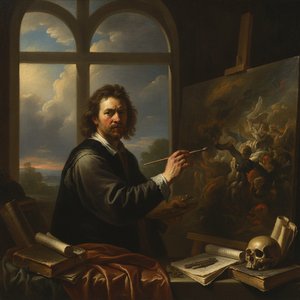
Dutch Baroque Unlocked: Mastering Chiaroscuro, Epic Drama, and the High-Impact Legacy of Rembrandt
Explore the dramatic power of Dutch Baroque art. Master the secrets of Rembrandt’s chiaroscuro, discover the epic scale of the Golden Age, and learn how to bring high-impact, hand-painted historical masterpieces into your modern collection with expert precision.

Dutch Baroque Masters: 10 Paintings That Shaped an Era | OriginalUniqueArt
Journey through the Golden Age with our guide to the Top 10 Dutch Baroque masterpieces! Explore iconic paintings by Rembrandt, Vermeer & Frans Hals. Find museum-quality art reproductions and elevate your home decor at OriginalUniqueArt.com.