实景预览
实景预览
 分享
分享 分享
分享
 详情
详情 指南
指南

 下载作品
下载作品
 相似作品
相似作品 X射线
X射线 幻灯片播放
幻灯片播放 Q&A
Q&A 统计数据
统计数据Desert Scene No. 2

- 100.0 x 70.0 cm


 展开全文
展开全文
艺术微喷/版画
博物馆级艺术微喷或帆布版画,制作高效,并提供多种饰面选择。 ( 订购纯手工绘制画作 切换至数字图像销售渠道)




P118B ¥10

P118H ¥10

P118W ¥10

P438Z ¥10

P508JH ¥12

P508YH ¥12

P805H ¥10

P805Z ¥10

P919BZ ¥10

P919G ¥10

P919XJ ¥10

P959ZH ¥10

P968JZ ¥12

W106C ¥8

W218G ¥10

W218JH ¥8

W218Y ¥10

W307PJ ¥10

W316G ¥10

W316PJ ¥8

W316Y ¥10

W398PJ ¥8

W4111J ¥10

W500HY ¥15

W500JH ¥15

W692G ¥12

W849H ¥8

W940BG ¥15

W953PJ ¥8




您可以从与原作比例一致的预设尺寸中进行选择。

请输入您所需的宽度和高度,以适配您的画框或墙面。由于印刷品只能进行裁剪,无法超出原图尺寸,因此若比例不一致,画面的一部分将会被裁切。在正式印刷之前,我们会为您发送一份数字效果图供您确认。本页面显示的图片并非最终裁剪后的效果——只有效果图才能展示真实的裁剪情况。


 玻璃选项仅适用于110厘米以下的尺寸。

Desert Scene No. 2
艺术微喷/版画
复刻品尺寸
-


最终结算价
¥ 537
A Gaze Across Shifting Sands: Dia al-Azzawi's "Desert Scene No. 2"
Dia al-Azzawi’s “Desert Scene No. 2,” painted in 1981, is more than a depiction of a landscape; it’s a resonant echo of Iraqi heritage and the enduring spirit of resilience against a backdrop of political turmoil. Measuring 100 x 70 cm, this oil on canvas work presents a striking abstraction of an elephant within a desert setting, rendered with bold shapes, flat planes of color, and a deliberate simplification that transcends mere representation. The artwork invites us to contemplate themes of strength, memory, and the profound connection between culture and identity—a connection deeply rooted in al-Azzawi’s own life experiences.
The Language of Form and Color
Al-Azzawi's artistic vocabulary is one of geometric clarity. The composition is dominated by a powerful central figure – the elephant, rendered in dark tones that anchor the piece—contrasting sharply with a lighter background. This visual weight is balanced by a large triangular shape occupying the upper right corner, creating a dynamic tension within the frame. Horizontal lines bisecting the canvas add structure and stability to this otherwise fluid arrangement. The color palette itself speaks volumes; earthy browns, beiges, and reds evoke the arid landscape, while darker accents of black, green, and blue define the elephant's form with striking precision. A delicate line of yellow provides a subtle spark of brightness, preventing the composition from becoming overly somber. Noticeably absent are detailed textures or shading—the paint is applied smoothly, emphasizing the flatness and graphic quality of the work. This deliberate lack of traditional rendering techniques aligns with al-Azzawi’s broader artistic project: to distill complex narratives into their essential forms.
Echoes of Mesopotamia and Modernism
Born in Baghdad in 1939, al-Azzawi's life has been inextricably linked to the history and culture of Iraq. His formative years were steeped in Iraqi folklore and the remnants of ancient Mesopotamian civilizations—a rich heritage that profoundly shaped his artistic vision. “Desert Scene No. 2” can be seen as a visual embodiment of this legacy, with the elephant itself carrying symbolic weight within Middle Eastern cultures, often representing strength, wisdom, and memory. The artwork’s style draws from both early modernism and simplified folk art traditions, creating a unique aesthetic that is both timeless and deeply personal. It's a testament to al-Azzawi’s ability to synthesize diverse influences—from classical European painting studied during his formal training to the vibrant artistic currents of his native Iraq—into a cohesive and compelling visual language. The work was created in 1981, a period marked by significant political upheaval in the Middle East, adding another layer of complexity to its interpretation.
A Symbol of Resilience and Enduring Spirit
Beyond its formal qualities, “Desert Scene No. 2” resonates with an emotional depth that speaks to universal themes of resilience and endurance. The solitary elephant traversing a vast desert landscape evokes a sense of quiet strength in the face of adversity—a powerful metaphor for the Iraqi people navigating periods of conflict and change. Al-Azzawi’s abstraction allows for multiple interpretations, inviting viewers to project their own experiences and emotions onto the canvas. It is an artwork that lingers in the mind long after viewing, prompting reflection on the enduring power of culture, memory, and the human spirit.
常见问题与解答
迪亚·阿尔-阿扎维 的《Desert Scene No. 2》 的画面方向是怎样的?
"Desert Scene No. 2" 的画幅格式为 Portrait。这对于规划复制品的摆放位置非常有用。
迪亚·阿尔-阿扎维 的《Desert Scene No. 2》 的亮度如何?
"Desert Scene No. 2" 的色彩呈现出 Gentle Luminance 的亮度。
在“Desert Scene No. 2”中,哪种颜色最为醒目?
迪亚·阿尔-阿扎维 的《Desert Scene No. 2》 的主色调为 Driftwood (#bc9164)。
艺术家简介
根植于美索不达米亚的回响
迪亚·阿尔-阿扎维(Dia al-Azzawi)出生于1939年的巴格达,他远不止是一位画家;他是阿拉伯世界的视觉诗人,一位其生命与作品与伊拉克动荡的历史和持久的文化遗产密不可分联结的艺术家。他的成长岁月是在一个深刻的政治和社会变革时期展开的,这一背景深深地影响了他的艺术视野。从童年时期浸润在伊拉克的民间传说和美索不达米亚古代文明的宏伟遗迹中,阿尔-阿扎维培养出对象征意义和叙事力量的敏锐感知力。这为他进入巴格达美术学院奠定了基础,在那里他接受了正规训练,掌握了技术技能,同时也吸收了艺术史的潮流——这是一个知识库,日后他将其与自己独特的审美语言进行了精彩的综合。即便在当时,也显而易见,阿尔-阿扎维的目的绝不仅仅是复制现有的风格;他渴望发掘和振兴祖先的视觉文化。独特视野的诞生
阿尔-阿扎维的艺术征程始于对抽象表现主义的探索,但这一阶段仅仅是通往更具特色的事物的垫脚石。他很快被一种大胆地将阿拉伯书法融入其构图的创新风格所吸引。这并非单纯的装饰;而是一种刻意的夺回行为,是在全球艺术版图中对阿拉伯身份的有力宣示。阿尔-阿扎维成为了“胡鲁菲亚”(Hurufiyya)运动的核心人物,这是一项集体努力,旨在将阿拉伯字母从其传统的语言功能中解放出来,探索它们作为抽象形式所固有的美学潜力。他的画布开始脉动着古老文字的能量,这些文字被转化为具有历史厚重感和当代相关性的动态形状与图案。他采用的调色板往往充满活力且情感饱满,这不仅反映了他个人的激情,也体现了他对周围政治现实的深刻参与。他不回避直面艰难的主题;相反,他将它们引导到具有深层美感和令人不安力量的作品中。开辟新径:新视野小组
1963年,阿尔-阿扎维认识到伊拉克需要一种更具进步性的艺术声音,于是与人共同创立了“新视野小组”(Jama’at al-Ru’ya al-Jadida)。这个由伊拉克艺术家组成的集体旨在摆脱传统规范,使阿拉伯艺术现代化。这是一项大胆的尝试,挑战着既有的体制,倡导实验精神。阿尔-阿扎维在小组中的领导作用,对于培养一个充满活力的艺术社群和激励新一代创意人才起到了至关重要的作用。“新视野小组”不仅仅关乎风格上的创新;它关乎重新定义在一个快速变化的世界中,做一个阿拉伯艺术家意味着什么,开辟一条通往更大文化自主性和自我表达的道路。通过展览、出版物和合作项目,他们力求提升现代伊拉克艺术在国内和国际上的地位。遗产、冲突与流亡的主题
在其丰硕的职业生涯中,迪亚·阿尔-阿扎维始终关注着遗产、身份、冲突和流亡等主题——这些都是与阿拉伯世界经历息息相关的议题。他的作品是对伊拉克历史所经历的政治动荡和社会剧变的深刻反思,这些变动至今仍在塑造着其当下。他精湛地驾驭着多种媒介——绘画、雕塑、版画和数字艺术——展现出对艺术创新的坚定承诺。像“阿明·哈萨宁·阿尔-伊布拉希米”(Amin Hasanain Al-Ibrahimy)这样为著名伊拉克诗人献上的深情致敬,以及纪念黎巴嫩泰尔扎塔尔难民营大屠杀受害者的令人心碎的“身体颂歌(Nasheed Al Jassad) Tel el Zaatar”系列等杰作,都强有力地证明了他的艺术良知。他的合作精神也体现在如黎巴嫩纳布博物馆这样的项目中,这证明了他致力于为后代保存和弘扬阿拉伯艺术和文化的奉献精神。镌刻于书法与勇气的传承
如今,迪亚·阿尔-阿扎维被公认为现代阿拉伯世界最重要、最具影响力的艺术家之一。他开创性地运用阿拉伯书法,并结合其毫不退缩地探索复杂的社会政治主题,给后世的艺术家留下了不可磨灭的印记。尽管他现在居住在伦敦,但他仍然是当代艺术领域一股重要的力量,持续在全球舞台上倡导阿拉伯艺术表达。他的作品在国际上展出,并收藏于众多著名的馆藏中,巩固了他在中东艺术乃至全球艺术史宏大叙事中的重要地位。迪亚·阿尔-阿扎维的遗产不仅仅关乎审美创新;它关乎勇气——敢于直面艰难的真相、重塑文化认同,并将艺术用作推动社会变革的强大工具。
迪亚·阿尔-阿扎维
1939 - , 伊拉克
艺术家简介
- Artistic Movement Or Style: 胡鲁菲雅,抽象表现主义
- Artists Or Movements Influenced By This Artist: ['现代阿拉伯艺术家']
- Date Of Birth: 1939
- Full Name: 迪亚·阿尔-阿扎维
- Nationality: 伊拉克人
- Notable Artworks:
- 阿明·哈萨宁·阿尔-易卜拉希米
- 身体颂歌
- 眼之愉悦
- 我们不被看见,只剩尸体
- Place Of Birth: 伊拉克,巴格达
相关文章

几何抽象艺术十大杰作:定义现代家居装饰的经典之作
探索几何抽象艺术的十大杰作!康定斯基、蒙德里安等大师作品,色彩构成与非具象之美。OriginalUniqueArt.com提供博物馆级艺术复制品,为您的家居带来现代艺术灵感。立即在线探索完整系列!

Mastering Abstraction: The 25 Most Iconic Works by Wassily Kandinsky
Explore 25 iconic Kandinsky masterpieces and the birth of abstraction. Discover the full collection online at OriginalUniqueArt.com.
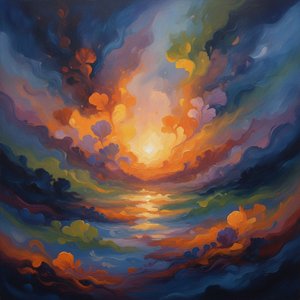
The Soul of Color: A Journey into the Emotional Resonance of Lyrical Abstraction
Embark on a cultural journey through Lyrical Abstraction. Explore how masters like Kandinsky used color and motion to translate emotion into visual poetry. Discover the profound beauty of abstract expressionism and learn to curate emotional resonance in your own art collection.

Beyond the Lines: Mastering the High-Impact World of Contemporary Abstraction
Master the high-impact world of contemporary abstraction. Discover how bold colors, textures, and modern movements like Abstract Expressionism can transform your space with premium, high-energy art curated for the design-conscious professional.

抽象表现主义:十幅定义艺术史的杰作
探索抽象表现主义的十幅经典杰作!波洛克、罗斯科等大师作品,揭秘艺术史上的重要瞬间。OriginalUniqueArt.com为您呈现高品质艺术品复制和精选家居装饰方案,感受现代艺术的力量与魅力。立即浏览全系列!