切换至版画销售渠道
 展开全文
展开全文







































 对于任何边长超过 105 厘米(约 41 英寸)的艺术品或复制品,画框将以拆解后的组件形式发货。此方法可确保安全送达并防止运输过程中的损坏。


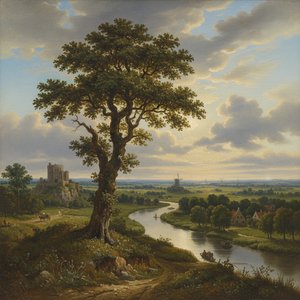
A Winter’s Embrace: Denijs van Alsloot's Tranquil Landscape
Denijs van Alsloot stands as a pivotal figure in the burgeoning artistic landscape of the early 17th century, embodying the delicate transition from Mannerist formalism to the radiant optimism of the Dutch Baroque. Born around 1570 – though precise biographical details remain elusive – his formative years were inextricably linked to the craft of tapestry weaving, a profession that instilled within him an inherent understanding of composition and visual storytelling—skills which would prove invaluable in his subsequent artistic endeavors. Entering the Brussels Guild of St Luke in 1599 as a tapestry designer marked not merely a career change but a deliberate embrace of stylistic influences already shaping the era’s artistic sensibilities. Initially focused on textile artistry, Alsloot gradually honed his painting skills, accepting his first pupil and continuing to mentor apprentices until his death in 1626 – demonstrating a sustained commitment to fostering talent and furthering artistic innovation.The Canvas Speaks: Style and Technique
Alsloot’s oeuvre is characterized by a remarkable blend of realism and atmospheric perspective, reflecting the prevailing trends of the Dutch Golden Age. Unlike his predecessors who often prioritized idealized representations, Alsloot meticulously captured the subtle nuances of winter light and shadow, creating landscapes imbued with palpable depth and spatial illusion. His brushstrokes are deliberate yet fluid, conveying texture and movement—particularly evident in the depiction of snowdrifts and tree branches—a technique honed through years of apprenticeship and informed by observations of nature itself. The artist’s masterful use of color contributes significantly to the overall mood, favoring muted tones that evoke a sense of serenity and solitude. This restrained palette contrasts beautifully with the brilliant blues of the sky, emphasizing the grandeur of the natural world.A Scene Frozen in Time: Historical Context
Painted circa 1610, “Winter Landscape” aligns perfectly with the artistic fervor that gripped Holland during this period—a time marked by burgeoning economic prosperity and a fervent desire to express national identity through art. The painting’s subject matter – a solitary winter vista – speaks to the broader humanist concerns of the era, reflecting an interest in portraying the beauty and majesty of God's creation. Furthermore, Alsloot’s work draws inspiration from the artistic innovations originating in Italy—specifically the atmospheric perspective championed by artists like Jan van Goyen and Cornelis van Poelenburch—demonstrating a willingness to engage with international stylistic currents. The Louvre Museum houses this masterpiece, ensuring its enduring legacy for generations of art enthusiasts.Symbolism Beneath the Surface
Beyond its aesthetic merits, “Winter Landscape” carries subtle symbolic resonances. The barren trees represent mortality and resilience—a poignant reminder that even in dormancy, life persists beneath the frozen surface. The snow symbolizes purity and tranquility, mirroring the spiritual contemplation fostered by the contemplative gaze of the viewer. The distant village offers a glimpse into human habitation amidst the vastness of nature, highlighting the harmonious relationship between humankind and the environment – a theme central to Baroque artistic thought.Emotional Resonance: Capturing Tranquility
Ultimately, “Winter Landscape” succeeds in conveying an unparalleled sense of peace and contemplation. Alsloot’s meticulous attention to detail—from the delicate rendering of snow crystals to the subtle gradations of color—creates a visual experience that transcends mere representation; it invites viewers into a moment of profound stillness. This artwork embodies the spirit of its time, capturing not only the beauty of winter but also the enduring human desire for solace and connection with the natural world. Its timeless appeal continues to inspire collectors and interior designers alike who seek to infuse their spaces with elegance and serenity.常见问题与解答
“Winter Landscape”是否一直留在其艺术家的故乡?
不,该作品目前存放于海外。“Winter Landscape”现藏于France,而德尼·凡·阿尔斯洛特 (Déni Fán Ā'Ěrsīluòtè)出生于比利时。
"Winter Landscape" 的作者是谁?
《Winter Landscape》被归为德尼·凡·阿尔斯洛特 (Déni Fán Ā'Ěrsīluòtè)的作品。
我可以在不同的光线下查看德尼·凡·阿尔斯洛特 (Déni Fán Ā'Ěrsīluòtè) 的《Winter Landscape》吗?
德尼·凡·阿尔斯洛特 (Déni Fán Ā'Ěrsīluòtè) 的《Winter Landscape》 的 X射线透视 页面是一个交互式查看器,您可以逐层滑动浏览作品图像的十一层光学图层,其中还包含 X 光风格的视图。
 实景预览
实景预览
 分享
分享 分享
分享
 详情
详情 指南
指南

 下载作品
下载作品
 相似作品
相似作品 X射线
X射线 幻灯片播放
幻灯片播放 问答
问答 统计数据
统计数据