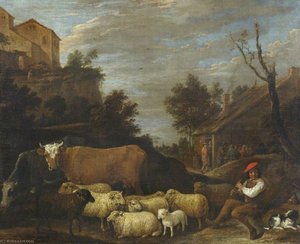
实景预览
实景预览
 分享
分享 分享
分享
 详情
详情 指南
指南

 下载作品
下载作品
 相似作品
相似作品 X射线
X射线 幻灯片播放
幻灯片播放 问答
问答 统计数据
统计数据The Surgeon

- 57.0 x 73.0 cm


 展开全文
展开全文
艺术微喷/版画
博物馆级艺术微喷或帆布版画,制作高效,并提供多种饰面选择。 ( 订购纯手工绘制画作 切换至数字图像销售渠道)




P118B ¥10

P118H ¥10

P118W ¥10

P438Z ¥10

P508JH ¥12

P508YH ¥12

P805H ¥10

P805Z ¥10

P919BZ ¥10

P919G ¥10

P919XJ ¥10

P959ZH ¥10

P968JZ ¥12

W106C ¥8

W218G ¥10

W218JH ¥8

W218Y ¥10

W307PJ ¥10

W316G ¥10

W316PJ ¥8

W316Y ¥10

W398PJ ¥8

W4111J ¥10

W500HY ¥15

W500JH ¥15

W692G ¥12

W849H ¥8

W940BG ¥15

W953PJ ¥8




您可以从与原作比例一致的预设尺寸中进行选择。

请输入您所需的宽度和高度,以适配您的画框或墙面。由于印刷品只能进行裁剪,无法超出原图尺寸,因此若比例不一致,画面的一部分将会被裁切。在正式印刷之前,我们会为您发送一份数字效果图供您确认。本页面显示的图片并非最终裁剪后的效果——只有效果图才能展示真实的裁剪情况。


 玻璃选项仅适用于110厘米以下的尺寸。

The Surgeon
艺术微喷/版画
复刻品尺寸
-


最终结算价
¥ 544
A Glimpse into a World of Healing and Observation
David Teniers the Younger’s “The Surgeon,” painted around 1670, isn't merely a depiction of a medical scene; it’s a meticulously rendered snapshot of daily life within a bustling apothecary and surgical workshop. The painting immediately draws the eye into a crowded room filled with figures engaged in various activities – a surgeon intently focused on his patient, assistants tending to instruments, and onlookers observing the procedure. This isn't a grand portrait of heroic medicine; instead, it offers an intimate, almost voyeuristic view of the practical realities of medical practice during the Dutch Golden Age. The composition is deliberately dense, reflecting the organized chaos inherent in a working environment where life and death were intimately intertwined.
The scene unfolds within a space defined by earthy tones – browns, ochres, and muted greens dominate the palette, lending an air of realism and groundedness to the portrayal. Subtle touches of red appear in clothing and bandages, providing visual contrast and drawing attention to the act of healing itself. Teniers’ masterful use of hatching and cross-hatching creates a remarkable sense of texture, from the rough wool of garments to the smooth surfaces of porcelain jars filled with medicinal ingredients. The artist skillfully employs light – primarily emanating from a window on the left – to sculpt forms and cast shadows, adding depth and drama to the composition. The limited perspective, while somewhat flattened, effectively guides the viewer’s eye through the crowded room, emphasizing key figures and details.
The Artist's Hand: Technique and Style
“The Surgeon” is a prime example of David Teniers the Younger’s signature style – a blend of meticulous observation and genre painting. He was renowned for his ability to capture the nuances of everyday life, imbuing even mundane scenes with a sense of vitality and interest. The brushwork is visible yet controlled, contributing to the overall realism of the piece. Notice how Teniers renders the folds in clothing, the textures of skin, and the details of surgical instruments – each element meticulously rendered with careful attention to detail. The painting’s foundation lies in oil paints applied to canvas, a technique that allowed for layering and blending, creating rich colors and subtle gradations of tone.
Furthermore, Teniers' work reflects the influence of his mentor, Peter Paul Rubens, particularly in his use of vibrant color and dynamic composition. However, unlike Rubens’ grand historical scenes, Teniers focused on capturing the immediacy of a domestic setting. The painting is not just a record of events; it’s an invitation to step into a world where medicine was practiced within the familiar confines of a workshop, alongside the rhythms of daily life.
Symbolism and Context: A Window into 17th-Century Medicine
Beyond its immediate visual appeal, “The Surgeon” offers a fascinating glimpse into the cultural attitudes surrounding medicine during the 17th century. The presence of anatomical tools, surgical instruments, and even a monkey – often associated with alchemy and medical knowledge – hints at the prevailing fascination with the human body and the pursuit of healing. Skulls are also present, serving as stark reminders of mortality and the fragility of life. These elements collectively evoke a sense of both wonder and apprehension regarding the practice of medicine.
The painting’s historical context is crucial to understanding its significance. During this period, medical knowledge was still evolving, often blending traditional remedies with emerging scientific discoveries. The scene depicted reflects the collaborative nature of medical care, where surgeons relied on assistants and apprentices to aid in their procedures. “The Surgeon” isn't a celebration of surgical prowess; it’s a testament to the shared experience of healing within a community.
A Timeless Masterpiece: Reproduction and Legacy
David Teniers the Younger’s “The Surgeon” remains a captivating work of art, offering a rare glimpse into the world of 17th-century medicine. Reproductions capture the painting's rich detail and evocative atmosphere, making it an ideal addition to any home or office. Its enduring appeal lies in its ability to transport viewers back in time, inviting them to contemplate the complexities of human health, knowledge, and the ever-present pursuit of healing.
常见问题与解答
如何以幻灯片形式查看小大卫·特尼尔斯 的《The Surgeon》?
您可以在作品的幻灯片展示页面上观看“The Surgeon”的幻灯片展示。
小大卫·特尼尔斯 的《The Surgeon》 的创作媒介是什么?
《The Surgeon》采用Oil On Canvas创作。
在哪里可以找到关于小大卫·特尼尔斯 的《The Surgeon》的数据统计?
关于 小大卫·特尼尔斯 的《The Surgeon》 的统计数据可在该作品的 访问统计 页面查看:包括作品的每月访问量、艺术家其他作品的访问量,以及近期访客的国家和语言分布情况。
艺术家简介
早年生活与家族背景
- 出生:1610年12月15日,出生于当时的西班牙尼德兰安特卫普,并于当日受洗。
- 小大卫·特尼尔斯出身于一个深植于佛兰德斯艺术传统的家族。他的父亲大卫·特尼尔斯也是一位画家,他的弟弟朱利安、西奥多和亚伯拉罕也都成为了画家。
- 艺术训练:他从1626年起师从父亲,接受了绘画技法与风格的基础训练。
- 由于父亲经常陷入债务危机,甚至因此入狱,年幼的小大卫通过临摹古典大师的画作来贴补家用。
- 安特卫普行会:他在1632年至1633年间成为安特卫普圣路加行会的成员,并于1644年至1645年期间担任院长。
艺术发展与影响
- 早期影响:他的早期作品延续了父亲的小型画室画风格,并通过父亲继承了亚当·埃尔希海默的艺术典范。直到1630年代末,他的作品在题材、技法、色彩和构图上都与阿德里安·布劳威尔的作品非常接近。
- 鲁本斯圈子:1637年,他迎娶了扬·布吕格尔长子的女儿安娜·布吕格尔。彼得·保罗·鲁本斯在安娜父亲去世后曾担任她的监护人,并在婚礼上担任见证人,这使得小大卫·特尼尔斯正式进入了安特卫普顶尖画家的艺术圈层。
- 风俗画专长:小大卫·特尼尔斯逐渐专注于风俗画——即对日常生活的描绘——并因其生动描绘的农民节日(kermesses)、酒馆内部场景以及乡村风景而闻名遐迩。
主要作品与艺术风格
- 风俗场景:他最负盛名的作品是他的风俗画。这些作品通常描绘了热闹非凡的农民生活场景,充满了欢庆、舞蹈、饮酒和游戏。
- 节日绘画:诸如《佛兰德斯节日》之类的乡村庆典完美体现了他的风格——色彩鲜艳、构图细腻,且对人类行为有着敏锐的观察。
- 酒馆内部:他的酒馆场景因其对日常生活的写实描绘以及场所内活跃的气氛而尤为显著。
- 超越乡村:他还创作了风景画、卫戍室场景、炼金术士与医生的工作场景,以及充满机智的猴戏(singeries),在这些画作中,猴子模仿着人类的行为。
- 画廊绘画:他笔下的公爵画廊视图,其墙上挂满了可辨识的杰作,使他成为了这一具有鲜明佛兰德斯特色的流派的领军人物。
宫廷画家与馆长
- 为利奥波德·威廉大公效力:约1650年,小大卫·特尼尔斯移居布鲁塞尔,担任西班牙尼德兰总督利奥波德·威廉大公的宫廷画家及艺术收藏品保管人。
- 收藏管理:他协助大公收购了多件杰作,包括来自解散的英国皇家收藏和汉密尔顿收藏中的绘画作品。该收藏规模最终达到约1300件,后来成为了维也纳艺术史博物馆的基础。
- 弟子:据信吉利斯·范·蒂尔博格曾在布鲁塞尔随他学习,并后来担任了同样的宫廷收藏保管人一职。
- 晚年生活:在安娜去世后,他于1656年迎娶了伊莎贝拉·德·弗伦。他曾向西班牙国王申请贵族头衔,但当被告知必须停止出售画作时,他最终放弃了这一请求。
- 安特卫普学院:小大卫·特尼尔斯是安特卫普美术学院成立的推动力量,该学院于1663年获得皇家特许状,其目标是在鲁本斯和凡·戴克去世后振兴佛兰德斯绘画。
历史意义与传承
- 领先的风俗画家:小大卫·特尼尔斯被认为是当时领先的佛兰德斯风俗画家,他以卓越的技艺捕捉了17世纪生活的本质。
- 对后世艺术家的影响:他的作品影响了随后几代北欧画家,甚至对安托万·华托等法国洛可可艺术家产生了深远影响。
- 丰硕的创作:小大卫·特尼尔斯是一位极其多产的艺术家,他留下了庞大的作品集,其魅力、细节和历史洞察力至今仍备受赞赏。
- 逝世:1690年4月25日,他逝世于布鲁塞尔,作为佛兰德斯最重要的巴洛克画家之一,留下了永恒的艺术遗产。
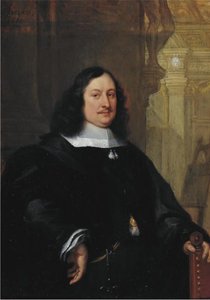
小大卫·特尼尔斯
1610 - 1690 , 比利时
艺术家简介
- Date Of Birth: 1610年
- Date Of Death: 1690年
- Place Of Birth: 比利时,安特卫普
- Place Of Death: 比利时,布鲁塞尔
- Birth Date: 1610年
- Birth Place: 比利时,安特卫普
- Death Date: 1690年
- Influenced By: 阿德里安·布劳威尔, 亚当·艾尔希梅尔, 彼得·保罗·鲁本斯
- Movement: 巴洛克
- Name: 小大卫·特尼尔斯
- Nationality: 佛兰德斯
- Notable Works:
- 两个醉汉
- 村庄场景
- 厨房场景
- 佛兰德斯集市
相关文章
David Teniers II: Master of Flemish Genre & Social Commentary
Explore the captivating world of David Teniers II, a leading Flemish Baroque painter renowned for his lively genre scenes & insightful social commentary. Discover his masterpieces and legacy with OriginalUniqueArt.
Scenes of Daily Life: A Comprehensive Exploration of Genre Painting Through History
Explore the rich history of genre painting! Discover Dutch Masters & European artists who captured everyday life with stunning realism. Learn about symbolism, techniques & lasting influence.
Gerard David: Bridging Late Medieval Tradition with Early Renaissance Humanism
Explore the captivating world of Gerard David, a pivotal figure bridging late medieval artistry with the Early Renaissance. Discover his innovative techniques, religious masterpieces, and enduring legacy – a must-read for discerning art collectors.
David Teniers the Younger: Genre Painting & Social Commentary in Baroque Flanders
Explore the captivating world of David Teniers the Younger, a leading Flemish Baroque painter. Discover his genre scenes, social commentary, and lasting influence on 17th-century art. Learn about his life, techniques & legacy.

Sir David Wilkie: Narrative Detail & the Rise of Victorian Genre Painting
Explore the life & work of Sir David Wilkie, a pivotal figure in Victorian genre painting. Discover his narrative detail, social commentary, and lasting influence on 19th-century British art. Learn more at OriginalUniqueArt.