
 实景预览
实景预览
 切换至版画销售渠道
 分享
分享 分享
分享
 详情
详情 指南
指南

 下载作品
下载作品
 相似作品
相似作品 X射线
X射线 幻灯片播放
幻灯片播放 问答
问答 统计数据
统计数据Kitchen Scene

- 75.0 x 77.0 cm


 展开全文
展开全文
获取远超网页预览效果的印刷级文件。我们销售的每一张数字图像均源自库存数据库中的高分辨率母版——宽度通常在 5,000 至 15,000 像素之间——因此您可以放心地进行大幅打印、局部裁剪或还原细腻的细节。
每一件作品在离开我们的工作室前都经过了精心的处理。数字影像专家会对照原作核对色彩,并在必要时进行校正,随后利用专业修图工具提升清晰度与细节表现——且始终忠实于艺术家的笔触与风格。最终呈现的图像宛如原作本身,而非仅仅是一张加了滤镜的扫描件。
您可以在最终定稿前进行审核:我们的专家将在 72 小时内通过电子邮件向您发送图像以供审阅。如果不满意?您可以要求改进或修正;若质量未达预期,亦可申请退款。
这也是出版商、设计工作室、画廊及印刷厂所信赖的品质。
每份数字图像订单均包含的内容
专业级数字交付,品质保障
选择 OriginalUniqueArt.com,您获得的不仅仅是一张图像——您收到的是经过专业级增强、精雕细琢的数字艺术作品,并享有满意保证。以下是您的订单中自动包含的所有内容:

邮件即时送达
您的高分辨率数字图像文件将在下单后 72 小时内通过电子邮件发送给您 —— 即可立即使用。

AI 增强型数字文件
您的艺术品经过专业优化,结合先进的 AI 技术与人工修饰,确保呈现极致的细节、清晰度与色彩准确度。

终身免费重发服务
不小心删除了文件或找不到了?没关系——我们将随时为您免费重发。

无需进口税费,始终如一
即刻拥有您的艺术作品,无需支付任何关税、税费或运费——数字下载始终免税。

色彩精准保障
我们通过专业工具与色彩管理技术,确保您的数字图像尽可能真实地还原原作色彩。

100天满意保证
如果您对所购数字图像不满意,我们将在100天内为您进行修改或提供100%的全额退款——无需任何理由。

100% 退款保证
不满意?在收到数字文件后的100天内,您可以申请全额退款——无需任何理由。

批量订购优惠
购买 3 张享 10% 折扣 - 购买 5 张享 15% 折扣 - 购买 10 张以上享 20% 折扣。非常适合创意项目、画廊及机构使用。
A Glimpse into Domesticity: David Teniers the Younger’s “Kitchen Scene”
David Teniers the Younger's "Kitchen Scene," painted in 1644, is more than just a depiction of daily life; it’s a meticulously crafted window into the heart of 17th-century Flemish domesticity. Housed within the Mauritshuis museum in The Hague, this oil painting on copper immediately draws the viewer into a bustling scene brimming with activity and quiet intimacy. Teniers wasn't merely recording a snapshot; he was capturing an atmosphere, imbuing the kitchen with a palpable sense of warmth, conversation, and the comforting rhythms of family life.
The artist’s skill lies not just in his technical proficiency – evident in the remarkably detailed rendering of food, utensils, and fabrics – but also in his ability to convey mood. The light, diffused and warm, suggests a late afternoon, casting long shadows across the room and highlighting the rich textures of the wooden table, earthenware bowls, and the woman’s richly colored dress. Notice how he uses subtle variations in tone to create depth, drawing our eye from the central figures towards the background activity – children playing, servants preparing food, and a dog observing the scene with quiet attentiveness.
The Painter's Palette: Technique and Materials
“Kitchen Scene” is a testament to Teniers’ mastery of oil painting on copper. This medium offered him exceptional control over color saturation and layering, allowing for a remarkable level of detail and luminosity. The use of impasto – applying paint thickly – particularly in the depiction of the food and textiles – adds a tactile quality to the image, inviting us to almost reach out and touch the smooth surface of the table or feel the warmth radiating from the hearth (implied but not explicitly shown). The copper itself contributes significantly to the painting’s visual impact; it reflects light beautifully, intensifying colors and creating a sense of vibrancy that is often lost in traditional panel paintings.
Furthermore, Teniers' meticulous attention to detail extends beyond mere representation. He employs a sophisticated understanding of perspective and chiaroscuro – the use of contrasting light and shadow – to create a convincing illusion of space. The figures are rendered with a remarkable degree of realism, their faces conveying a range of emotions—from amusement and conversation to focused concentration. The artist’s ability to capture these subtle nuances is what elevates “Kitchen Scene” beyond a simple genre painting.
A Window into the Golden Age: Context and Symbolism
“Kitchen Scene” firmly places itself within the Dutch Golden Age of art, a period characterized by unprecedented prosperity, artistic innovation, and a burgeoning interest in depicting everyday life. Teniers’ work reflects this shift away from purely religious or mythological subjects towards more secular themes – a trend driven by the rise of the merchant class and their desire to celebrate their newfound wealth and status. The scene itself is rich with symbolism. The abundance of food represents prosperity and hospitality, while the presence of children suggests family values and the continuation of lineage.
The inclusion of a dog, a common feature in domestic scenes of the era, reinforces the theme of companionship and loyalty. Even the hanging bird – a detail often overlooked – could symbolize abundance or good fortune. The painting’s setting, a well-equipped kitchen, speaks to the importance of food preparation and communal meals within 17th-century Flemish society. It's a scene that resonates with universal themes of family, community, and the simple pleasures of life.
Collecting the Essence: Reproduction and Legacy
Reproductions of “Kitchen Scene” offer an accessible way to experience the artistry and charm of this remarkable painting. Whether displayed in a grand salon or a cozy corner, it serves as a captivating reminder of a bygone era. The meticulous detail and evocative atmosphere captured by Teniers continue to resonate with viewers today, offering a glimpse into the lives and values of those who came before us.
For art enthusiasts seeking a deeper understanding of this masterpiece, we encourage you to explore the resources linked below: The Mauritshuis museum’s collection provides invaluable insights into the painting's history and context. Furthermore, examining related works by David Teniers the Younger – such as “An Old Peasant caresses a Kitchen Maid in a Stable” – reveals his distinctive style and thematic preoccupations.
常见问题与解答
在哪里可以下载小大卫·特尼尔斯 的《Kitchen Scene》?
"Kitchen Scene" 可供下载:您可以在该作品的 下载数字图像 页面进行 高分辨率数字图像下载。
"Kitchen Scene" 的作者是谁?
《Kitchen Scene》被归为小大卫·特尼尔斯的作品。
小大卫·特尼尔斯 的《Kitchen Scene》 是否收藏于艺术家的原籍国?
不,该作品目前存放于海外。小大卫·特尼尔斯的出生国是比利时,而收藏有《Kitchen Scene》原件的博物馆则位于荷兰。
艺术家简介
早年生活与家族背景
- 出生:1610年12月15日,出生于当时的西班牙尼德兰安特卫普,并于当日受洗。
- 小大卫·特尼尔斯出身于一个深植于佛兰德斯艺术传统的家族。他的父亲大卫·特尼尔斯也是一位画家,他的弟弟朱利安、西奥多和亚伯拉罕也都成为了画家。
- 艺术训练:他从1626年起师从父亲,接受了绘画技法与风格的基础训练。
- 由于父亲经常陷入债务危机,甚至因此入狱,年幼的小大卫通过临摹古典大师的画作来贴补家用。
- 安特卫普行会:他在1632年至1633年间成为安特卫普圣路加行会的成员,并于1644年至1645年期间担任院长。
艺术发展与影响
- 早期影响:他的早期作品延续了父亲的小型画室画风格,并通过父亲继承了亚当·埃尔希海默的艺术典范。直到1630年代末,他的作品在题材、技法、色彩和构图上都与阿德里安·布劳威尔的作品非常接近。
- 鲁本斯圈子:1637年,他迎娶了扬·布吕格尔长子的女儿安娜·布吕格尔。彼得·保罗·鲁本斯在安娜父亲去世后曾担任她的监护人,并在婚礼上担任见证人,这使得小大卫·特尼尔斯正式进入了安特卫普顶尖画家的艺术圈层。
- 风俗画专长:小大卫·特尼尔斯逐渐专注于风俗画——即对日常生活的描绘——并因其生动描绘的农民节日(kermesses)、酒馆内部场景以及乡村风景而闻名遐迩。
主要作品与艺术风格
- 风俗场景:他最负盛名的作品是他的风俗画。这些作品通常描绘了热闹非凡的农民生活场景,充满了欢庆、舞蹈、饮酒和游戏。
- 节日绘画:诸如《佛兰德斯节日》之类的乡村庆典完美体现了他的风格——色彩鲜艳、构图细腻,且对人类行为有着敏锐的观察。
- 酒馆内部:他的酒馆场景因其对日常生活的写实描绘以及场所内活跃的气氛而尤为显著。
- 超越乡村:他还创作了风景画、卫戍室场景、炼金术士与医生的工作场景,以及充满机智的猴戏(singeries),在这些画作中,猴子模仿着人类的行为。
- 画廊绘画:他笔下的公爵画廊视图,其墙上挂满了可辨识的杰作,使他成为了这一具有鲜明佛兰德斯特色的流派的领军人物。
宫廷画家与馆长
- 为利奥波德·威廉大公效力:约1650年,小大卫·特尼尔斯移居布鲁塞尔,担任西班牙尼德兰总督利奥波德·威廉大公的宫廷画家及艺术收藏品保管人。
- 收藏管理:他协助大公收购了多件杰作,包括来自解散的英国皇家收藏和汉密尔顿收藏中的绘画作品。该收藏规模最终达到约1300件,后来成为了维也纳艺术史博物馆的基础。
- 弟子:据信吉利斯·范·蒂尔博格曾在布鲁塞尔随他学习,并后来担任了同样的宫廷收藏保管人一职。
- 晚年生活:在安娜去世后,他于1656年迎娶了伊莎贝拉·德·弗伦。他曾向西班牙国王申请贵族头衔,但当被告知必须停止出售画作时,他最终放弃了这一请求。
- 安特卫普学院:小大卫·特尼尔斯是安特卫普美术学院成立的推动力量,该学院于1663年获得皇家特许状,其目标是在鲁本斯和凡·戴克去世后振兴佛兰德斯绘画。
历史意义与传承
- 领先的风俗画家:小大卫·特尼尔斯被认为是当时领先的佛兰德斯风俗画家,他以卓越的技艺捕捉了17世纪生活的本质。
- 对后世艺术家的影响:他的作品影响了随后几代北欧画家,甚至对安托万·华托等法国洛可可艺术家产生了深远影响。
- 丰硕的创作:小大卫·特尼尔斯是一位极其多产的艺术家,他留下了庞大的作品集,其魅力、细节和历史洞察力至今仍备受赞赏。
- 逝世:1690年4月25日,他逝世于布鲁塞尔,作为佛兰德斯最重要的巴洛克画家之一,留下了永恒的艺术遗产。
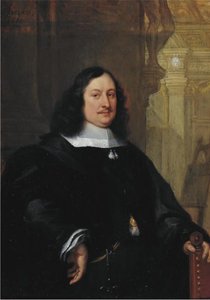
小大卫·特尼尔斯
1610 - 1690 , 比利时
基本信息
- Date Of Birth: 1610年
- Date Of Death: 1690年
- Place Of Birth: 比利时,安特卫普
- Place Of Death: 比利时,布鲁塞尔
- Birth Date: 1610年
- Birth Place: 比利时,安特卫普
- Death Date: 1690年
- Influenced By: 阿德里安·布劳威尔, 亚当·艾尔希梅尔, 彼得·保罗·鲁本斯
- Movement: 巴洛克
- Name: 小大卫·特尼尔斯
- Nationality: 佛兰德斯
- Notable Works:
- 两个醉汉
- 村庄场景
- 厨房场景
- 佛兰德斯集市