Pop Art
Cactus (大卫·霍克尼)
大卫·霍克尼 (1937–2026) 创作了《Cactus》。 它属于 Pop Art 运动。 由 Acrylic On Canvas 创作。
- Acrylic On Canvas

 实景预览

 手工油画复制品
 分享
 分享
 详情页


 下载作品
 相似作品
 X射线
 幻灯片播放
 问答

 统计数据
Cactus简介
Cactus 描绘了什么内容?
David Hockney’s ‘Cactus’: A Pop Art Still Life Rooted in Observation
David Hockney's “Cactus,” a seemingly simple depiction of a solitary cactus within a vibrant yellow bowl, reveals itself to be far more than just a botanical study. It’s a quintessential example of Hockney’s signature style – a masterful blend of meticulous observation and bold, playful experimentation that has cemented his place as one of the 20th century's most influential artists. This particular piece, painted with an eye attuned to the burgeoning pop art movement, invites us to consider beauty in the commonplace, elevating the ordinary cactus to a subject worthy of artistic contemplation.
A Bradford-Born Vision: Hockney’s Early Influences
Born in 1937 in Bradford, England, David Hockney's artistic journey was profoundly shaped by his surroundings. The industrial landscape of Yorkshire – the brick factories, the bustling markets, and the resilient spirit of its people – instilled a deep appreciation for detail and an inherent skepticism towards traditional artistic conventions. His father, Kenneth Hockney, a conscientious objector during World War II, fostered a critical mind and encouraged independent thought, values that would become central to Hockney’s creative philosophy. This early exposure is palpable in “Cactus,” evidenced by the precise rendering of the cactus's spikes and leaves – a testament to Hockney’s unwavering commitment to accurate representation, even within a deliberately stylized framework.
Pop Art and the Celebration of Color
“Cactus” exemplifies the key tenets of pop art. The use of saturated yellows, greens, and browns isn't merely decorative; it’s strategically employed to draw attention and create visual impact. Hockney’s technique relies on flat planes of color applied with a confident, almost graphic stroke – a characteristic borrowed from commercial illustration and advertising. This approach rejects the subtle gradations and atmospheric perspective favored by earlier artistic movements, embracing instead a directness and clarity that aligns perfectly with the pop art ethos. The bowl itself, presented as a bold geometric form, further reinforces this stylistic choice, echoing the influence of artists like Andy Warhol who were similarly exploring the relationship between high art and popular culture.
Symbolism and the Desert Within
Beyond its aesthetic qualities, “Cactus” carries subtle symbolic weight. The cactus, an enduring emblem of resilience, survival, and adaptation, speaks to a primal human fascination with endurance in harsh environments. Its placement within a domestic setting – the table and bowl – introduces a layer of irony, suggesting that even the most rugged elements of nature can be integrated into our everyday lives. The surrounding smaller cacti subtly reinforce this theme, creating a miniature desert landscape contained within the confines of the still life. This juxtaposition invites contemplation on themes of isolation, strength, and the delicate balance between the natural world and human intervention.
A Timeless Reproduction: Bringing ‘Cactus’ into Your Space
OriginalUniqueArt.com offers meticulously crafted hand-painted reproductions of David Hockney's “Cactus,” ensuring that you experience the full impact of this iconic artwork. Each reproduction is created using archival quality materials and techniques, faithfully capturing the vibrancy of Hockney’s original palette and the precision of his brushwork. Whether adorning a gallery wall or gracing a contemporary interior, this piece offers an accessible entry point into the world of one of Britain's most beloved and enduring artists – a timeless celebration of observation, color, and the beauty found in unexpected places.
Cactus 的高分辨率图像
大卫·霍克尼, Cactus.
关于 Cactus 的常见问题解答
大卫·霍克尼 的《Cactus》 中呈现了哪些主题?
大卫·霍克尼 的《Cactus》 的图像可以自由转载吗?
关于版权,"Cactus" 属于 仍受版权保护。
大卫·霍克尼 的《Cactus》 属于哪种艺术流派?
“Cactus”是一件Pop Art时期的作品。该艺术流派体现了作品所属的艺术传统。
大卫·霍克尼 的作品《Cactus》是否属于公有领域?其原因是什么?
"Cactus" 的版权状态 —— 仍受版权保护 —— 取决于艺术家于 2026 年逝世这一事实。
“Cactus”是如何体现 大卫·霍克尼 的创作主题与艺术风格的?
"Cactus" 的主题与 大卫·霍克尼 常有的创作主题有何关联?
在大卫·霍克尼已记录的主题——british pop art influence, domesticity, everyday objects, color field exploration”, “light and perspective study”, “recurring still life motifs”——之中,"Cactus" 则将焦点转向了cactus painting, david hockney art, yellow bowl scene, pop art style, desert flora, table composition, minimalist still life。
关于艺术家 大卫·霍克尼
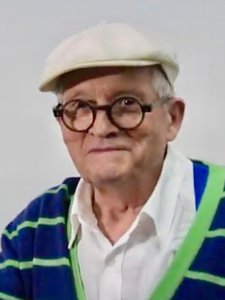
1937–2026, 英国
大卫·霍克尼
早年岁月与艺术启蒙 大卫·霍克尼出生于英国布拉德福德,在一个拥有五个孩子的家庭中成长。他的父亲肯尼斯·霍克尼曾是一名会计文员,并在第二次世界大战期间是一名和平主义者;而他的母亲劳拉则是一位虔诚的循理会信徒,也是一名严格的素食主义者。他的早年时光是在约克郡那片充满工业气息的土地上度过的,那里遍布着砖厂与繁忙的市场,构成了他最初的视觉底色。 他的正式艺术训练始于1953年至1957年间的布拉德福德艺术学院,在那段时期,他专注于写生与肖像画的练习。随后,他移居伦敦进入皇家艺术学院深造,并于1962年以金奖学位的殊荣毕业。在皇家艺术学院求学期间,他开始与波普艺术运动产生深刻的联系。 移居洛杉矶与媒介的演进 1964年,大卫·霍克尼移居洛杉矶,这一转变彻底重塑了他对色彩与光影的感知方式。他因描绘游泳池而闻名遐迩,经常运用丙烯颜料这一媒介,去捕捉鲜活的色彩以及水的律动。他这一时期的作品深入探索了郊区生活的几何感,以及光线掠过物体表面的细腻瞬间。 纵观其艺术生涯,大卫·霍克尼的创作足迹横跨了多种媒介,包括: 在技法探索上,他大胆运用逆透视法与卡姆拉(camera lucida)来重构视觉空间。到了晚年,他开始尝试利用iPad等数字工具及各类软件来重新构想风景,试图捕捉自然界中瞬息万变的光影流转。
大卫·霍克尼 的其他作品
 艺术家肖像:有两个人物的泳池1971
 更大的泼溅1967
 泳池与两人物像
 尼科尔斯峡谷
关于 Cactus 的论文集
 Beyond the Bowl: The Symbolic Depth and Formal Precision of Still Life PaintingExplore the symbolic depth of still life from Baroque vanitas to Cézanne. Discover the evolution of the genre now.
 Tactile Maximalism: The Expert Guide to Styling Bold Pop Art for Dopamine Decor InteriorsMaster the art of Dopamine Decor with our expert guide to Tactile Maximalism. Learn how to professionally style bold Pop Art through textur…
 David Hockney: A Retrospective on Pop Art's Chronicler of Light, Space, and the EverydayExplore the life & work of David Hockney, Pop Art's master chronicler. Discover his iconic paintings, Californian landscapes, and lasting i…