
 效果预览
效果预览
 购买印刷品
购买印刷品 分享
分享 分享
分享
 详情
详情

 下载
下载
 相似作品
相似作品 X射线
X射线 幻灯片播放
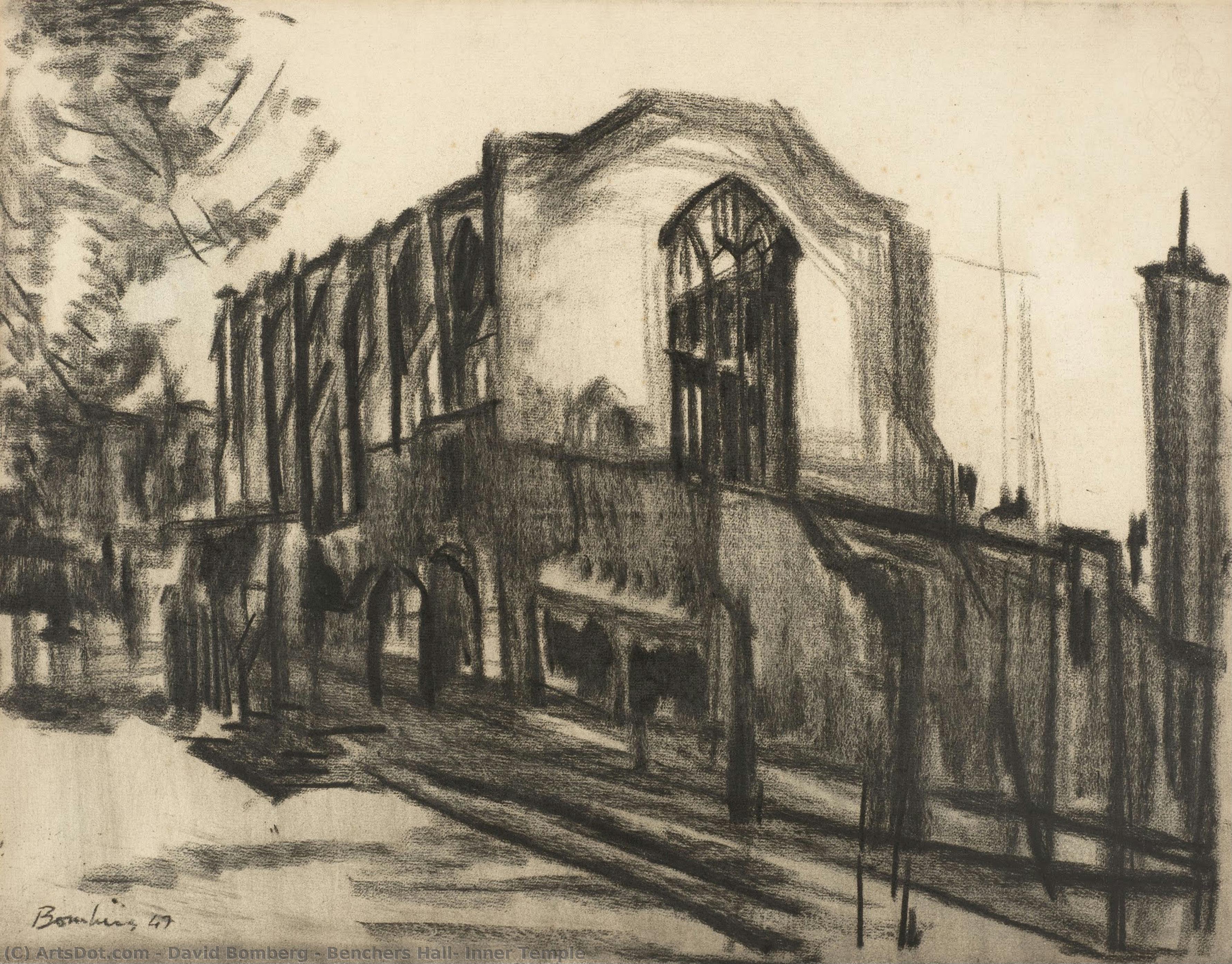
幻灯片播放Benchers Hall, Inner Temple


 展开详情
展开详情
购买高分辨率增强版数字图像,其品质远超在线预览。
每一份文件都由我们的内部专家使用先进工具与专业的后期润色技术精心打造。我们确保每一张图像都具备卓越的清晰度、精准的色彩还原度以及细腻的细节表现。
最终文件将在 72 小时内通过电子邮件交付,并针对专业、编辑及印刷用途进行了优化。其品质与顶级设计工作室、出版社和画廊所信赖的标准完全一致。
每份数字图像订单均包含
专业数字图像交付,品质保障
选择 OriginalUniqueArt.com,您获得的不仅仅是一张图像——您收到的是经过专业级增强、精雕细琢的数字艺术作品,并享有满意保证。以下是您的订单中自动包含的所有内容:

邮件快速送达
您的高分辨率数字图像文件将在下单后 72 小时内通过电子邮件发送给您 —— 即可立即使用。

AI 增强型数字文件
您的艺术品经过专业优化,结合先进的 AI 技术与人工修饰,确保呈现极致的细节、清晰度与色彩准确度。

终身免费重发服务
不小心删除了文件或找不到了?没关系——我们将随时为您免费重发。

无需进口费用,始终如一
即刻拥有您的艺术作品,无需支付任何关税、税费或运费——数字下载始终免税。

色彩精准保证
我们通过专业工具与色彩管理技术,确保您的数字图像尽可能真实地还原原作色彩。

60天满意保证
如果您对所购买的数字图像不满意,我们将在60天内为您进行修改或退还100%的款项——无需任何解释。

100% 退款保证
如果不满意?在收到数字文件后的60天内,我们为您提供全额退款——无需任何理由。

批量订单优惠
购买 3 张图片可享 10% 折扣 - 购买 5 张可享 15% 折扣 - 购买 10+ 张可享 20% 折扣。非常适合创意项目、画廊和机构使用。
藏品详情
The Echoes of Academia: Capturing Benchers Hall
To stand before this charcoal rendering of Benchers Hall within the Inner Temple is not merely to observe an architectural facade; it is to step into a moment suspended between rigorous structure and profound introspection. David Bomberg, in this evocative work from 1947, has achieved something far more elusive than mere documentation. He has captured the very atmosphere—the weighty, scholarly breath—of these ancient halls. The subject matter, undeniably architectural, serves as a vessel for his deeply personal vision. One can almost hear the hushed tones of debate and the rustle of centuries-old parchment echoing off the stone walls depicted.
A Masterclass in Expressive Line and Tone
Technically, this piece is a breathtaking study executed in charcoal on paper. Bomberg’s handling of the medium is nothing short of masterful. The monochromatic palette—a rich interplay of blacks, grays, and whites—allows the texture of the charcoal itself to become a primary artistic element. Observe how he uses hatching and cross-hatching; these are not just shading techniques but dynamic lines that build form from suggestion rather than solid outline. While the underlying geometry of the arches and windows suggests classical order, Bomberg’s line quality refuses to be purely academic. It possesses a restless energy, a loose sketchiness juxtaposed against firm structural definitions, giving the entire composition a vibrant, almost vibrating life force.
Compositional Depth Beyond Representation
The way Bomberg structures the scene is particularly compelling. The strong horizontal sweep of the hall anchors the piece, yet this stability is countered by diagonal recession suggested by the pathway leading into the depth. He manipulates perspective with an intuitive grace; it is not a photographically perfect view, but rather an emotionally calibrated one. This deliberate fragmentation—the way elements seem slightly abstracted or viewed from an unusual angle—is key to its power. It forces the viewer’s eye to wander, searching for coherence within the expressive chaos, mirroring the intellectual process of deep study itself.
Symbolism and the Weight of Time
Given the date, 1947, this work carries an undeniable resonance with the post-war spirit. The somewhat melancholic, diffused lighting and the fragmented nature of the depiction can be read as a reflection on disruption—the sense that even the most enduring institutions must pass through periods of questioning or change. Bomberg transcends the role of chronicler; he becomes interpreter. The Inner Temple, usually symbols of immutable law and tradition, are rendered with an underlying current of introspection, suggesting that true permanence lies not in stone, but in the ideas nurtured within those walls.
Bringing the Atmosphere Home
For collectors or designers seeking art that speaks to history, intellect, or quiet contemplation, this reproduction offers unparalleled depth. It is a piece that rewards close looking; one might spend hours tracing the interplay of shadow and line, discovering new textures in the charcoal as the light shifts. Owning this work means curating not just an object for a space, but an enduring mood—a sophisticated echo of academic grandeur tempered by the raw, passionate energy of modern expressionism.
艺术家简介
早年生活与艺术训练
- 出生:英国伯明翰(1890年12月5日)
- 逝世:英国伦敦(1957年8月19日)
- “白教堂男孩”之一——这一群体是20世纪初在伦敦东区涌现的一群艺术家。
大卫·博姆伯格出生于波兰犹太移民家庭,父母为亚伯拉罕与丽贝卡·博姆伯格。他最初在伦敦城市与公会技术艺术学校学习,随后在伯明翰接受了石版画家专业的训练。
1908年至1910年间,他在威斯敏斯特艺术学院师从沃尔特·西柯特,深受西柯特对形式与城市生活关注的影响。通过1910年罗杰·弗莱举办的“马奈与后印象派”展览,他得以深入接触保罗·塞尚的作品。1911年,他进入斯莱德艺术学院深造,并凭借其描绘同学艾萨克·罗森伯格的素描作品荣获了通克斯奖。
先锋岁月:立体主义、未来主义与争议
- 在斯莱德学院时期,博姆伯格与马克·格特勒、斯坦利·斯宾塞、C.R.W. 内文森以及多拉·卡林顿共同构成了那个卓越的艺术世代。
- 1912年伦敦举办的意大利未来主义展,以及弗莱举办的第二次后印象派展览(涵盖毕加索、马蒂斯、野兽派及温德姆·刘易斯的作品),都对他产生了深远影响。
- 他由此发展出一种融合了立体主义与未来主义的独特风格——其特征在于几何化的构图、有限的色调、棱角分明的形象以及网格状的结构。
- 由于这种激进的艺术手法,他在1913年被斯莱德艺术学院开除,因为他的创作被认为过于大胆,挑战了该校传统的教学方法。
- 他曾短暂地与布卢姆斯伯里派的欧米茄工作坊联系在一起,并与卡姆登镇集团共同参展。尽管他对温德姆·刘易斯的涡流主义运动表现出某种亲近感,但他始终保持独立,拒绝完全参与其中。
从战争到风景:风格的转变
第一次世界大战期间作为一名普通士兵的经历,深刻地改变了他的艺术视野,促使他的创作重心从抽象主义转向了其他领域。
进入20世纪20年代,博姆伯格开始采用更具具象色彩的风格,专注于直接取材于自然的肖像与风景画。他逐渐发展出一种愈发强烈的表现主义技法,其作品以厚重的肌理感和充沛的情感张力为显著标志。
他在中东(尤其是巴勒斯坦)以及欧洲的广泛游历,对其晚期创作产生了重大影响,其中他对耶路撒冷的描绘尤为令人瞩目。
晚年岁月与艺术遗产
- 1945年至1953年间,他在博罗理工学院(现伦敦南岸大学)任教,影响了一整代艺术家,其中包括弗兰克·奥尔巴赫、里昂·科索夫、菲利普·霍姆斯、克里夫·霍尔登、艾德娜·曼、多萝西·米德、古斯塔夫·梅茨格、丹尼斯·克里菲尔德、塞西尔·贝利以及迈尔斯·里奇蒙德。
- 他与风景画家莉莉安·霍尔特结为连理。
- 尽管在生前经历过一段相对寂寥的时期,但近几十年来,博姆伯格的作品作为对英国现代艺术的重要贡献,已获得了越来越多的认可。
- 伦敦南岸大学的大卫·博姆伯格楼正是为了纪念他而命名。
- 他的艺术遗产在于他将欧洲先锋派运动进行了独特的融合,并于后期发展出一种充满力量与表现力的风景画风格,精准地捕捉到了地域精神与人类经验的本质。

大卫·邦伯格
1890 - 1957 , 英国
基本信息
- Artistic Movement Or Style:
- 立体主义
- 未来主义
- 表现主义
- Artists Or Movements Influenced By This Artist:
- 弗兰克·奥尔巴赫
- 里昂·科索夫
- Artists Who Influenced This Artist:
- 保罗·塞尚
- 沃尔特·西柯特
- 温德姆·刘易斯
- Date Of Birth: 1890年12月5日
- Date Of Death: 1957年8月19日
- Full Name: 大卫·加申·邦伯格
- Nationality: 英国
- Notable Artworks:
- 自画像 (1937)
- 艺术家的妹妹 Kitty (1929)
- 绘画习作
- 耶路撒冷
- Place Of Birth: 英国,伯明翰

