
 效果预览
效果预览
 购买手绘画作
 分享
分享 分享
分享
 详情
详情

 下载
下载
 相似作品
相似作品 X射线
X射线 幻灯片播放
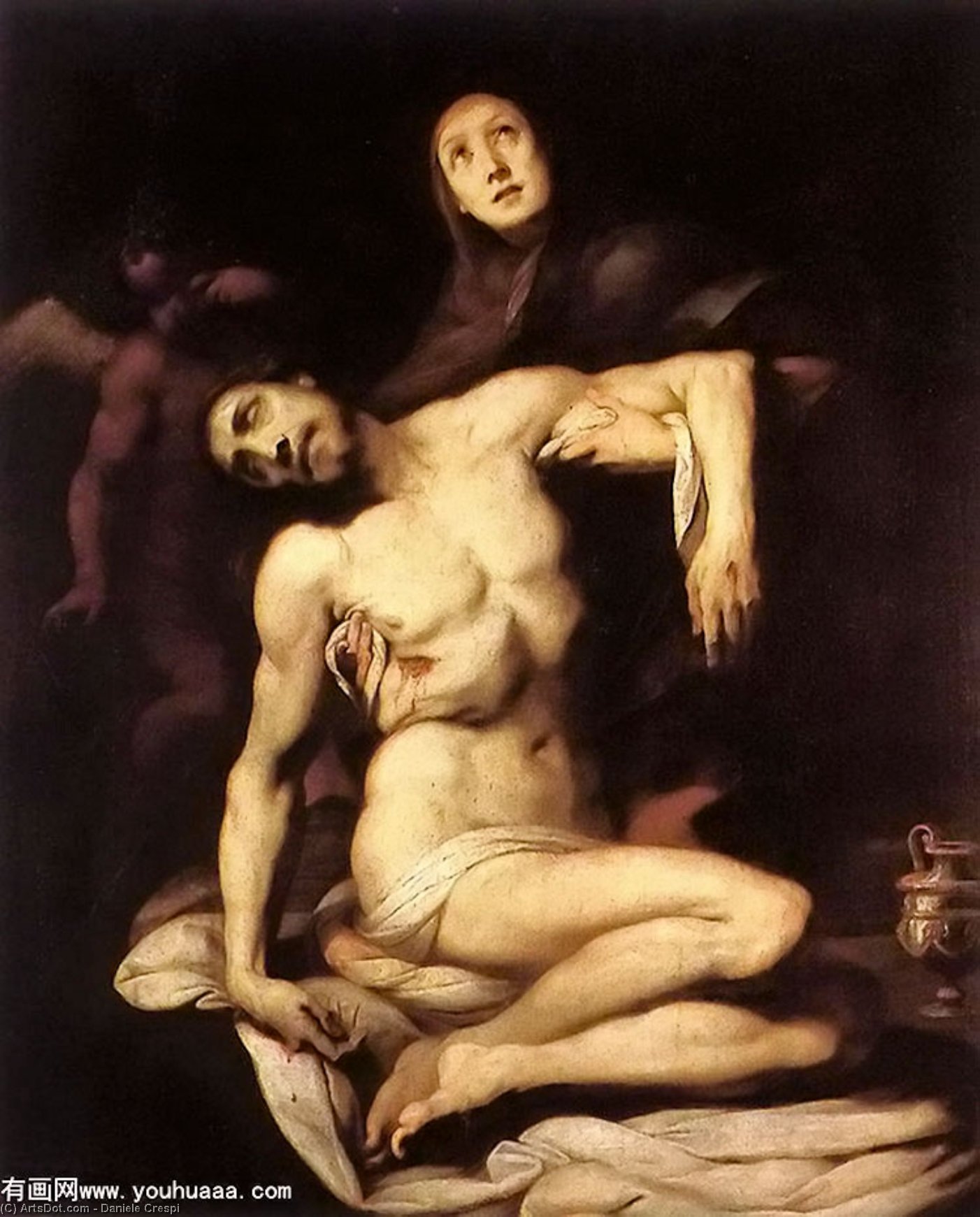
幻灯片播放Pietà


 展开详情
展开详情




P118B $10

P118H $10

P118W $10

P438Z $10

P508JH $12

P508YH $12

P805H $10

P805Z $10

P919BZ $10

P919G $10

P919XJ $10

P959ZH $10

P968JZ $12

W106C $8

W218G $10

W218JH $8

W218Y $10

W307PJ $10

W316G $10

W316PJ $8

W316Y $10

W398PJ $8

W4111J $10

W500HY $15

W500JH $15

W692G $12

W849H $8

W940BG $15

W953PJ $8




从与原作比例一致的预设尺寸中进行选择。

您可以输入自定义尺寸,以适配特定的画框或空间。如果您选择的尺寸与原图比例不符,我们将对作品进行裁剪,或通过镜像填充/纯色填充边缘的方式来扩展图像。在开始制作之前,我们会向您发送一份数字效果图供您确认。
请注意,屏幕上的预览并不能反映实际的裁剪或扩展效果。只有效果图才能准确展示最终的构图。
虽然我们提供定制尺寸,但为了保持原图比例,我们建议您从预设列表中选择尺寸。


 玻璃选项仅适用于110厘米以下的尺寸。

Pietà
艺术微喷/版画
复制品尺寸
-


最终总价
$ 80
藏品详情
A Vision of Sorrow and Grace: Daniele Crespi’s Pietà
In the quiet, hallowed halls of the Museo del Prado, there exists a window into the profound depths of human grief and divine compassion. Daniele Crespi’s Pietà, executed in 1626, is not merely a depiction of a biblical event; it is a masterclass in the Baroque ability to bridge the gap between the earthly and the eternal. The scene captures that most poignant of moments: the Virgin Mary cradling the lifeless body of her son, Jesus Christ, following his descent from the cross. Through Crespi’s lens, we do not just witness a historical tragedy, but an intimate encounter with sorrow that feels as immediate today as it did nearly four centuries ago.
The composition is anchored by a breathtaking use of chiaroscuro, a hallmark of the Baroque era. Crespi masterfully manipulates light to emerge from a deep, impenetrable darkness, sculpting the figures with a sculptural realism that commands attention. The light falls softly upon the pale, wounded flesh of Christ, highlighting the physical toll of his sacrifice, while simultaneously illuminating the elegant folds of Mary’s drapery. This dramatic interplay of shadow and brilliance does more than create depth; it serves as a spiritual metaphor, symbolizing the divine grace that pierces through the darkness of human suffering.
The Artistry of Devotion and Technique
To observe this work is to appreciate the meticulous technical skill of an artist at the height of his powers. Working in oil on canvas, Crespi achieved a luminous quality that breathes life into the stillness of death. Every texture—from the soft, flowing strands of Mary’s hair to the heavy, somber weight of her robes—is rendered with an exquisite precision that invites the viewer to linger. His ability to blend the classical clarity of his predecessors with the burgeoning dynamism of the Baroque style allows the painting to maintain a sense of monumental stability while vibrating with emotional tension.
The emotional resonance of the piece lies in its restraint. Unlike some more theatrical Baroque works, Crespi’s Pietà finds its strength in a serene, almost quieted agony. Mary’s expression is one of profound acceptance and maternal tenderness, a subtle nuance that prevents the scene from descending into mere horror. Instead, it becomes an object of contemplation, inviting collectors and art lovers to reflect on themes of resilience, faith, and the enduring bond of love amidst loss.
A Timeless Addition to the Refined Interior
For the discerning collector or interior designer, a reproduction of Crespi’s Pietà offers more than just visual beauty; it brings a sense of historical gravity and soulful elegance to a space. The painting’s dark, atmospheric background makes it an exceptionally versatile piece for sophisticated decor, acting as a powerful focal point in rooms characterized by classical or contemporary minimalist aesthetics. It possesses the rare ability to anchor a room, providing a conversation piece that speaks of cultural heritage and artistic mastery.
Integrating such a profound work into a home or gallery setting allows for an atmosphere of quiet reflection and prestige. Whether placed in a study, a formal dining hall, or a curated living space, the Pietà serves as a testament to the enduring power of the human spirit. It is an investment in emotion, a tribute to the masters of the Italian Baroque, and a permanent invitation to experience the sublime beauty of sacred art.
艺术家简介
扬·洛伦佐·贝尼尼:巴洛克情感的建筑师
扬·洛伦佐·贝尼尼,这个名字与盛期文艺复兴和巴洛克时代的曙光画上了等号。他远不止是一位艺术家;他是17世纪罗马的一股变革力量。他于1598年12月7日出生在意大利那不勒斯,其父是雕塑家皮埃特罗·贝尼尼,母是费利切·穆西。他早年的生活预示着他注定投身艺术世界的轨迹。父亲的工作室为他提供了无价的基础,从小就让他沉浸于雕塑的技艺和传统之中。这段塑造性的时期,在他心中植根了对古典形式的深厚敬意,同时也为他革命性的艺术表达方式奠定了基础。贝尼尼的一生充满了非凡的成功与个人的复杂性,最终留下的遗产至今仍在几个世纪后持续地吸引着人们的目光,令人心生敬畏。早年生活与艺术训练
贝尼尼的早期岁月是在父亲的指导下磨练技艺,后来他还拜在罗马著名画家兼导师圭多·雷尼门下。然而,真正起到关键作用的是他在一位名叫马修·达尼埃利(Matthew Danieli)的佛罗伦萨雕塑家那里的学徒经历,后者正在为教宗乌尔班八世的墓地进行创作。这段经历使贝尼尼接触到了大型雕塑项目的复杂精妙之处,并让他深刻理解了艺术如何能成为一种强大的宗教奉献工具。至关重要的是,达尼埃利的工坊为贝尼尼带来了他的第一个重要委托:《圣巴托罗缪的狂喜》,这是对圣徒皈依场景的戏剧性描绘,它展示了他捕捉强烈情感和动态运动方面日益增长的天赋。这部早期作品使他在罗马艺术界迅速崛起,很快吸引了有影响力的赞助人的注意,为他未来的成就搭建了舞台。巴洛克风格的大师:雕塑与建筑
贝尼尼的艺术天才体现在多个领域——雕塑、建筑、绘画,甚至是戏剧设计。他并非仅仅复制古典形式;而是以一种狂热的热情和对人类心理前所未有的理解,重新诠释了它们。他的雕塑作品以其戏剧性的活力、强烈的感情色彩以及运用大理石创造出纹理和运动错觉的大师级技巧而著称。《大卫》、《阿波罗与达芙妮》和《普罗塞皮娜的掠夺》等作品就是这种方法的典范,它们捕捉了转瞬即逝的动作瞬间,以令人惊叹的写实主义传达出深刻的叙事感。 除了雕塑,贝尼尼的建筑贡献同样意义重大。他在圣彼得大教堂的设计和建造中发挥了关键作用,尤其值得一提的是他对高祭坛上宏伟的巴尔达奇诺(Baldacchino)的监督创建,以及设计扩展教堂广场的精致列柱廊,营造出一种压倒性的宏伟感,并引导着访客进入神圣的空间。他的建筑设计绝非仅仅是功能性的;它们是精心编排的戏剧空间,旨在唤起敬畏之心并激发宗教虔诚。代表作与持久的影响
贝尼尼最著名的作品至今仍在引起观众的共鸣。《大卫》,这部关于青春力量与脆弱性的杰作,证明了他解剖学上的精确和捕捉人类情感精髓的能力。《阿波罗与达芙妮》则以其精致的细节和两位人物之间可感知的张力而闻名。位于圣玛利亚德拉维托里亚教堂科尔纳罗礼拜堂内的《圣特蕾莎的狂喜》,仍然是最具情感冲击力的雕塑作品之一,证明了贝尼尼对光线、色彩和戏剧构图的大师级掌控。《四河喷泉》(Fontana dei Quattro Fiumi)在纳沃纳广场的设计,则是巴洛克城市规划的标志性范例,它无缝地融合了雕塑与建筑,创造出一个视觉上令人惊叹的公共空间。 贝尼尼的影响远远超出了他自身的生命周期。他为艺术卓越树立了一个新的标准,激励了包括米开朗角·卡拉瓦乔在内的几代艺术家,让他们在作品中拥抱戏剧性的光影、充满活力的构图和强烈的情感张力。他对雕塑和建筑的创新方法从根本上塑造了巴洛克风格,给西方艺术史留下了不可磨灭的印记。遗产与历史意义
扬·洛伦佐·贝尼尼于1680年11月28日去世,享年81岁,留下了一部宏大而影响深远的巨著。许多人认为他是其时代最伟大的雕塑家,在受欢迎程度和影响力上甚至超越了米开朗基罗。他的遗产不仅仅在于技术上的精湛,更在于艺术的远见——一种深刻理解如何让艺术能够感动、启发并转变观者的能力。贝尼尼的作品至今仍因其美感、情感力量以及对人体形态和宗教主题的创新表现方式而受到研究和赞赏。他仍然是艺术史上的一座不朽丰碑,完美地体现了文艺复兴的精神与巴洛克时代的蓬勃活力。
达尼埃莱·克雷斯皮
1598 - 1630 , 意大利
相关文章

Bronze Sculptures That Defined Art History | OriginalUniqueArt
Journey through art history with our Top 10 bronze sculptures! Explore masterpieces by Rodin, Michelangelo & more. Discover stories behind iconic statues and find museum-quality reproductions for your home decor at OriginalUniqueArt.com.

Theatricality & Triumph: Baroque Drama in Painting & Sculpture
Explore the dramatic world of Baroque art! Discover its history, defining characteristics, & lasting influence on painting & sculpture. Expert insights into Caravaggio, Zurbarán, and Bernini – plus high-quality reproductions at OriginalUniqueArt.

The Enduring Form: Exploring Themes & Techniques in Sculpture Across Historical Periods
Explore the rich history of sculpture from ancient masterpieces to contemporary innovations. Discover key techniques, influential artists & investment potential for discerning art collectors.

巴洛克艺术的戏剧性辉煌:历史背景、风格特征与持久影响
深入探索巴洛克艺术的辉煌历史、独特风格与持久影响。了解卡拉瓦乔、贝尼尼等大师的作品,洞悉反宗教改革运动下的艺术变革。OriginalUniqueArt.com为您提供专业的艺术解读与高清画作欣赏。
The Enduring Form: Sculpture Across History, Technique & Emotional Resonance
Explore the rich history of sculpture with OriginalUniqueArt. Discover key techniques, influential artists & investment potential for discerning collectors. Expert insights into valuing and collecting timeless masterpieces.

