

 实景预览
实景预览
 发送
发送 分享
分享
 详情
详情 指南
指南

 下载图片
下载图片
 相似作品
相似作品 X射线
X射线 幻灯片播放
幻灯片播放 统计数据
统计数据Dutch Interior
 Acrylic On Canvas
- WallArt
- Surrealist Homage
 1962
1962 267.0 x 302.0 cm
 大都会艺术博物馆
 阅读全文
阅读全文
艺术微喷/版画
博物馆级艺术微喷或帆布版画,制作高效,并提供多种饰面选择。 ( 订购此收藏品的纯手工复刻画作 切换至数字图像销售渠道)




P118B $10

P118H $10

P118W $10

P438Z $10

P508JH $12

P508YH $12

P805H $10

P805Z $10

P919BZ $10

P919G $10

P919XJ $10

P959ZH $10

P968JZ $12

W106C $8

W218G $10

W218JH $8

W218Y $10

W307PJ $10

W316G $10

W316PJ $8

W316Y $10

W398PJ $8

W4111J $10

W500HY $15

W500JH $15

W692G $12

W849H $8

W940BG $15

W953PJ $8




您可以从与原作比例一致的预设尺寸中进行选择。

您可以输入自定义尺寸,以适配特定的画框或空间。如果您选择的尺寸与原图比例不符,我们将对作品进行裁剪,或通过镜像填充/纯色填充边缘的方式来扩展图像。在开始制作之前,我们会向您发送一份数字效果图供您确认。
请注意,屏幕上的预览并不能反映实际的裁剪或扩展效果。只有效果图才能准确展示最终的构图。
虽然我们提供定制尺寸,但为了保持原图比例,我们建议您从预设列表中选择尺寸。


 玻璃选项仅适用于110厘米以下的尺寸。

Dutch Interior
艺术微喷/版画
复刻品尺寸说明
-


总计金额
$ 80
A Roman Echo: The Genesis of Dutch Interior
Cy Twombly's 1962 painting, *Dutch Interior*, isn’t merely a depiction of a room; it’s an immersive experience, a layered meditation on the act of creation itself. Emerging from a spacious studio in central Rome—a space that liberated him from the constraints of smaller formats—Twombly embarked on a work that immediately challenged conventional notions of representation. The painting’s genesis is inextricably linked to this new environment; it feels less like a finished product and more like an ongoing, almost frantic, dialogue with the ancient walls of the Eternal City – a conversation etched in layers of graphite, wax crayon, and oil paint.
The title itself—a deliberate homage to the Dutch Golden Age—immediately establishes a historical framework. Twombly wasn’t simply replicating a scene; he was engaging with the spirit of seventeenth-century Dutch interior paintings, those meticulously rendered depictions of domestic life that captured a specific cultural sensibility. However, this engagement is far from straightforward imitation. Instead, it's a complex negotiation, a playful subversion of established conventions. The painting becomes a palimpsest—a layered text where the echoes of Vermeer and Rembrandt mingle with Twombly’s own unique visual language.
The Language of Scribble: Technique and Process
What immediately strikes the viewer is the apparent chaos – the accumulation of seemingly disparate marks. Scribbles, smears, hastily scrawled numbers, and biomorphic forms coalesce on the canvas, creating a surface that resists easy interpretation. This isn’t the product of a single, deliberate act; rather, it suggests multiple hands at work, a collective energy channeled through Twombly's brush. The technique is deliberately raw and unrefined – a rejection of polished surfaces in favor of an immediate, visceral impact.
Twombly’s masterful use of media further complicates the narrative. Pencil provides a skeletal framework, wax crayon introduces a tactile warmth, and oil paint adds depth and luminosity. The layering is crucial; each medium interacts with the others, creating subtle shifts in texture and tone. The artist frequently incorporated his own physical presence into the work – fingerprints, smudges, even what appear to be handprints—transforming the canvas into a record of his creative process, a tangible manifestation of his engagement with the artwork.
Symbolism and the Fragmented Self
Beyond the purely visual, *Dutch Interior* is rich in symbolic resonance. The inclusion of clocks, chairs, and vases—familiar objects from a domestic setting—only serves to heighten the sense of unease and disorientation. These elements are not rendered with precision or detail; instead, they’re fragmented, distorted, and imbued with an unsettling ambiguity. The numbers scrawled across the canvas – often in a vertical arrangement – add another layer of complexity, hinting at both order and chaos.
Furthermore, Twombly's frequent references to his own body—the fingerprints, handprints—suggest a profound sense of self-awareness. The painting becomes a meditation on identity, on the act of representation, and on the elusive nature of the creative process. It’s as if Twombly is grappling with his own presence within the artwork, attempting to capture not just an image but also the very essence of his being.
A Legacy of Ambiguity: Emotional Impact
Ultimately, *Dutch Interior* resists easy categorization or definitive interpretation. It’s a painting that demands engagement, inviting viewers to lose themselves in its layers of complexity and ambiguity. The work possesses a haunting beauty—a sense of melancholy and introspection—that lingers long after the initial viewing. It's a testament to Twombly's ability to create art that is both deeply personal and universally resonant, a powerful reminder of the enduring mysteries of human experience.
艺术家简介
用线条与色彩镌刻的一生
埃德温·帕克·托姆布利二世(Edwin Parker Twombly Jr.),即世人熟知的赛·托姆布利(Cy Twombly),是20世纪与21世纪艺术界一股独树一帜的力量。作为一位美国画家、雕塑家和摄影师,他的作品难以被简单的范畴所定义。1928年4月25日,他出生于弗吉尼亚州的莱克星顿,其艺术旅程始于深厚的古典教育底蕴,而那颗不安分的灵魂则驱使着他跨越各大洲。在华盛顿与李大学师从皮埃尔·达拉(Pierre Daura)开始了他的早期学习,随后在纽约艺术学生联盟和黑山学院获得了塑造性的经历,在那里,他邂逅了罗伯特·劳森伯格、约翰·卡奇和默斯·坎宁安等关键人物。这些交集营造了一个实验与跨学科探索的环境,深刻地塑造了他的艺术愿景。然而,真正具有变革意义的是1952年与劳森伯格共同前往意大利和北非的旅程——这次旅行由弗吉尼亚美术馆的资助促成。沉浸在古老的遗迹、充满活力的文化以及厚重的历史感中,托姆布利发现了一个灵感的源泉,这股泉水将在随后的数十年里定义他的美学风格。神秘风格的演变
托姆布利的艺术风格并非天生完整,而是在一系列探索与精炼中逐渐演变的。他的早期作品,如《北非素描集》(1953),已经暗示了他将抽象形式与诗意引用独特结合的倾向。这些作品并非单纯的旅行日志,而是对场所本质的探究——是对光影、纹理与记忆的提炼。在整个2 0世纪60年代,托姆布利的风格开始围绕着一种独特的语言凝聚起来:在广阔的画布上运用涂鸦般的线条、手势性的痕迹以及破碎的文字。诸如《费拉戈斯托》系列(1961)和《意大利人》(1961)等作品便是这一时期的典范——这些绘画似乎存在于书法与混沌之间,既唤起了古代铭文的联想,又带有涂鸦般的即时感。他并不热衷于复制现实,而是致力于捕捉情感、记忆以及时间流逝的感觉。这种方法挑战了传统的绘画观念,从具象表现转向了一种更加主观且具有情感共鸣的表现形式。《冷溪》(1966)凭借其旋转的环绕线条和大胆的文字,成为了这种唤起性风格的有力例证。影响与艺术传承
尽管托姆布利的作品极具独立性,但他并非在真空状态下创作。他从广泛的来源中汲取灵感——从让·杜布菲和阿尔贝托·贾科梅蒂的原始能量,到斯特凡·马洛美、赖纳·玛利亚·里尔克和约翰·济慈的诗意感性。古典神话与历史也发挥了重要作用,为他提供了丰富的题材与符号织锦供其探索。他的绘画经常暗指古代叙事,微妙地将故事与传说的碎片编织在一起。托姆布利对后世艺术家的影响是无可置疑的。他为让-米歇尔·巴斯奎特、安塞尔姆·基弗、弗朗西斯科·克莱门特和朱利安·施纳贝尔等画家铺平了道路,这些艺术家同样拥抱了类似的实验精神与情感强度。他打破传统边界并探索新表现形式的意愿,引起了那些寻求挑战现状的艺术家的深度共鸣。他证明了绘画可以超越单纯的再现;它可以成为传递复杂情感、思想与经验的媒介。重大成就与持久遗产
在整个职业生涯中,托姆布利获得了无数赞誉,包括2001年威尼斯双年展的金狮奖,以及2 010年被授予法国荣誉军团骑士勋章。他的作品被世界各地的主要博物馆收藏,包括休斯顿的梅尼尔收藏馆、伦敦泰特现代美术馆以及纽约现代艺术博物馆。一项特别显著的成就,是他受邀为巴黎卢浮宫创作天顶作品——这见证了他的国际认可度与艺术地位。《特雷米尔的三项研究》(1998-99,现藏于新南威尔士州美术馆)体现了他后期的风格——这种大尺幅的作品既细腻又充满力量。托姆布利那神秘莫测的风格持续吸引着艺术爱好者与学者。他的绘画邀请观众参与一场对话——去解读油彩层与涂鸦线条中隐藏的深意。2011年7月5日,他在与癌症的长期斗争后于罗马逝世,留下了一份将继续激励并挑战后代艺术家的遗产。位于瓦利切拉圣玛利亚教堂的一块纪念牌,成为了他为艺术界做出深远贡献的永恒纪念。探索托姆布利的世界
赛·托姆布利的作品是一场关于沉思人类经验复杂性的邀请——去深入探寻记忆、历史与情感的领域。他的绘画不仅仅是供人欣赏的客体,更是通往另一个世界的门户——在那样的世界里,线条在舞动,文字在低语,而情感正在成形。无论是《无题(牡丹花绘画)》中充满活力的能量,还是《普罗透斯》那唤起性的抽象感,每一件作品都提供了窥见艺术家内心景观的独特视角。他的影响力超越了绘画本身,也影响了雕塑与摄影。要真正领略托姆布利的天才之处,必须让自己沉浸在他线条的流动性、色彩的丰富性以及诗意愿景的深度之中。- 在 OriginalUniqueArt 探索赛·托姆布利的作品。
- 在维基百科上阅读更多关于赛·托姆布利的内容。
- 在 OriginalUniqueArt 发现卢浮宫馆藏作品,其中包括托姆布利受邀创作的作品:卢浮宫博物馆。

赛·托姆布利 (Sài Tǔmùlì)
1928 - 2011 , 美国
快速概览
- Artistic Movement Or Style: 抽象表现主义、后现代
- Artists Or Movements Influenced By This Artist:
- 尚米歇尔·巴斯基亚
- 安塞尔姆·基弗
- 弗朗切斯科·克莱门特
- 朱利安·施纳贝尔
- Artists Who Influenced This Artist:
- 皮埃尔·多拉
- 让·杜布菲
- 阿尔贝托·贾科梅蒂
- Date Of Birth: 1928年4月25日
- Date Of Death: 2011年7月5日
- Full Name: 埃德温·帕克·特怀布利二世
- Nationality: 美国国籍
- Notable Artworks:
- 三幅特梅雷研究
- 阿波罗与艺术家
- 冷流
- 普罗透斯
- 无题(洋牡丹)
- Place Of Birth (City And Country): 美国弗吉尼亚州莱克星顿
相关文章

Kandinsky's Masterpieces: 25 Paintings That Define Abstract Art | OriginalUniqueArt
Journey through Wassily Kandinsky's 25 most iconic abstract paintings. Explore his revolutionary use of color, form & spiritual expressionism. Find museum-quality Kandinsky reproductions and elevate your home decor with OriginalUniqueArt.com. Discover all masterpieces on OriginalUniqueArt.com!

抽象表现主义:十幅定义艺术史的杰作
探索抽象表现主义的十幅经典杰作!波洛克、罗斯科等大师作品,揭秘艺术史上的重要瞬间。OriginalUniqueArt.com为您呈现高品质艺术品复制和精选家居装饰方案,感受现代艺术的力量与魅力。立即浏览全系列!
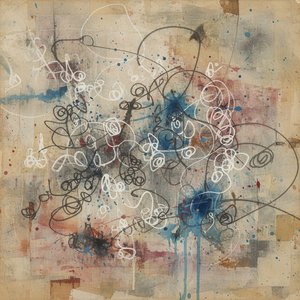
Cy Twombly: Scribbles of Emotion – Deconstructing Post-War Expressionism Through Calligraphy & Abstraction
Explore the captivating world of Cy Twombly with OriginalUniqueArt. Discover the emotional depth & artistic significance behind his abstract calligraphy. Expert insights for collectors.

Unlocking Contemporary Abstraction: A Designer's Guide to Curating Emotion and Color for Modern Interiors
Master the art of decorating with contemporary abstraction. Our expert guide for designers explores how to use color, geometry, and emotion to transform modern interiors into soulful, curated spaces through professional art selection and placement strategies.
Harmonizing Contrasts: Integrating Abstract Art into Classic Interiors for Timeless Modernity
Elevate your classic home with abstract art! Discover expert tips for seamlessly blending modern pieces into timeless interiors. Find the perfect artwork & design advice at OriginalUniqueArt.