
 效果预览
效果预览
 切换至印刷版
 分享
分享 分享
分享
 详情
详情

 下载
下载
 相似作品
相似作品 X射线
X射线 幻灯片播放
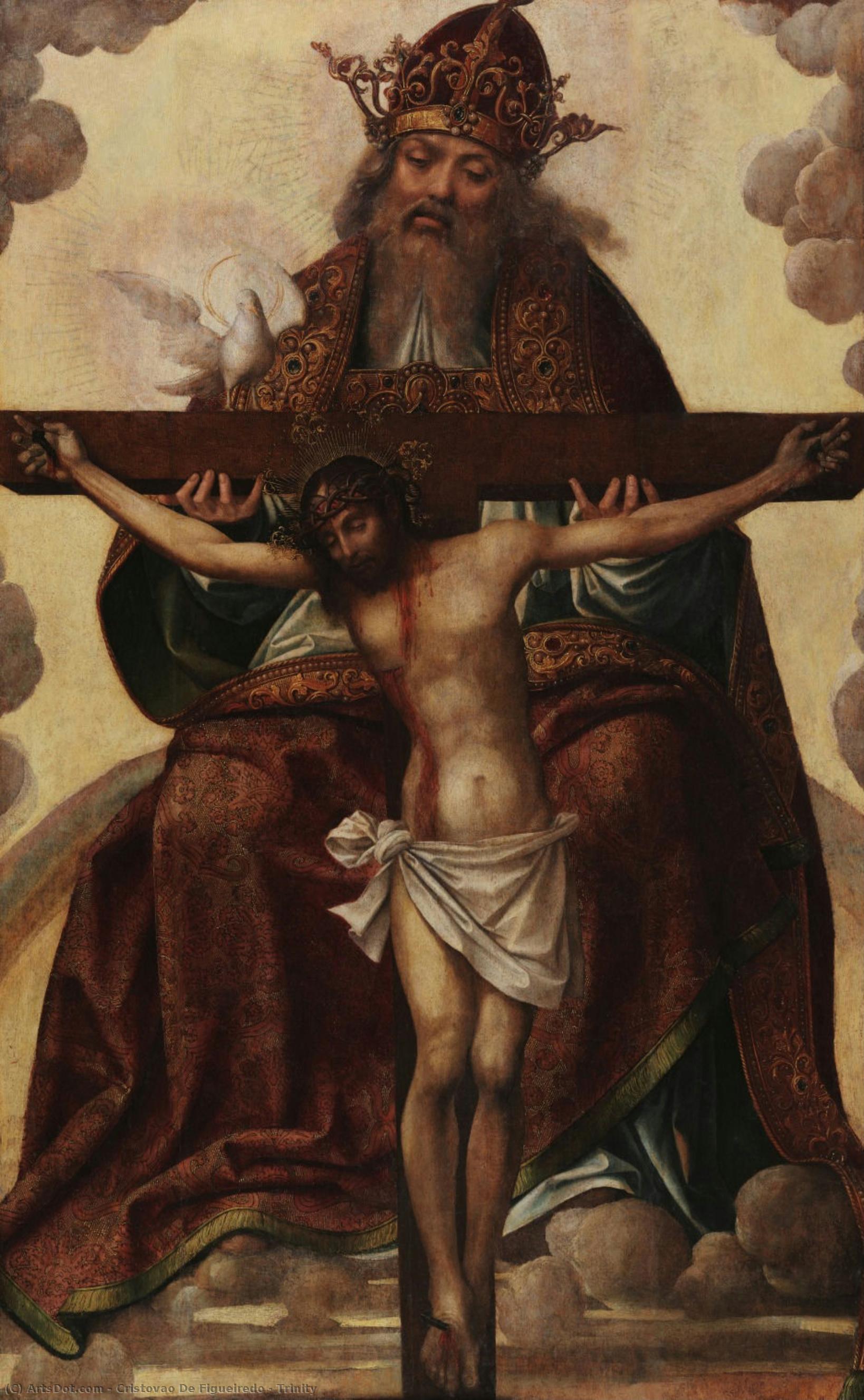
幻灯片播放Trinity
 Renaissance
 1530
1530 50.0 x 93.0 cm
 Soares dos Reis National Museum
 展开详情
展开详情




P118B $10

P118H $10

P118W $10

P438Z $10

P508JH $12

P508YH $12

P805H $10

P805Z $10

P919BZ $10

P919G $10

P919XJ $10

P959ZH $10

P968JZ $12

W106C $8

W218G $10

W218JH $8

W218Y $10

W307PJ $10

W316G $10

W316PJ $8

W316Y $10

W398PJ $8

W4111J $10

W500HY $15

W500JH $15

W692G $12

W849H $8

W940BG $15

W953PJ $8




从与原作比例一致的预设尺寸中进行选择。

您可以输入自定义尺寸,以适配特定的画框或空间。如果所选尺寸与原图比例不符,我们将通过裁剪作品或添加手绘元素来扩展画面。数字样稿将在制作开始前发送给您确认。
请注意,屏幕预览无法准确反映实际的裁剪或扩展效果,只有样稿才能真实呈现最终的构图。
虽然我们提供定制尺寸服务,但为了保留原作比例,建议您从预设列表中选择尺寸。
下单后,OriginalUniqueArt.com 团队将通过电子邮件联系客户获取具体要求,并提供效果预览图。


 玻璃选项仅适用于110厘米以下的尺寸。

Trinity
复制材质
复制品尺寸
-


最终总价
$ 300
艺术家简介
Cristóvão de Figueiredo: A Renaissance Voice from Portugal
Cristóvão de Figueiredo (dates unknown) stands as a testament to the flourishing Portuguese Renaissance, primarily recognized for his masterful depictions of religious subjects and his contribution to monumental altarpieces that adorn churches across Lisbon and Coimbra. Though biographical details remain scarce—a common predicament for artists of his era—scholarly research illuminates his formative years within the artistic milieu of Lisbon during Jorge Afonso’s tutelage, establishing him as a pivotal figure in shaping Portuguese visual culture.Early Influences & Artistic Training
Cristóvão’s artistic journey commenced under the guidance of Master Jorge Afonso, a celebrated sculptor and painter whose workshop served as a crucible for burgeoning talent. Lisbon's vibrant artistic landscape at the time fostered an environment conducive to experimentation and innovation, mirroring broader European trends toward humanist ideals and classical revival. Afonso instilled in Figueiredo a foundational understanding of sculptural principles alongside painting techniques—a dual skillset that would prove invaluable throughout his career. This formative training undoubtedly influenced Figueiredo’s stylistic choices, favoring clarity of form and meticulous detail characteristic of the Renaissance aesthetic.Collaborations & Notable Projects
Figueiredo's artistic output extended beyond solitary endeavors; he actively participated in collaborative projects with fellow Lisbon artists—Francisco Henriques, García Fernandes, and Gregório Lopes—a collective known for their ambitious undertakings in executing altarpieces destined for prominent churches. These collaborations exemplify the spirit of Renaissance patronage, wherein artists benefited from royal commissions and fostered artistic dialogues that propelled stylistic advancements. The Santa Cruz Monastery in Coimbra witnessed Figueiredo’s dedication to religious art during his period there (1522-1533), where he undertook significant altarpiece projects reflecting the solemn grandeur of monastic devotion. Similarly, his involvement with García Fernandes and Gregório Lopes at the Ferreirim Monastery cemented his reputation as a craftsman capable of conveying profound spiritual narratives through visual representation.Iconic Paintings & Artistic Legacy
Cristóvão de Figueiredo’s artistic legacy resides principally in several celebrated paintings now housed within Lisbon's National Museum of Ancient Art and Coimbra’s Machado de Castro Museum. “Deposição no Túmulo” (“The Deposition”), “Ecce Homo,” “Trânsito da Virgem” (“The Virgin’s Passing”), “Cristo Deposto da Cruz” (“Christ Fallen from the Cross”), “Exaltação da Santa Cruz” (“Magnificat”) and “Martírio de Santo André” ("St. Andrew's Martyrdom") stand as exemplary instances of Renaissance artistic excellence, showcasing Figueiredo’s mastery of composition, color palette, and expressive detail. These works exemplify the humanist preoccupation with portraying biblical narratives with dignity and pathos—a hallmark of Portuguese Renaissance art. Furthermore, “Martírio de Santo Hipólito” ("St. Hippolyte's Martyrdom") and "Menino Jesus entre os doutores" (“Jesus Child Among Doctors”) are equally remarkable pieces demonstrating Figueiredo’s ability to capture serene beauty and profound theological contemplation. The monumental “Tríptico da Paixão de Cristo” (“Triptych of Christ’s Passion”), and “Milagre da Ressurreição do Mancebo” ("Miracle of Lazarus' Resurrection") are equally impressive artworks that continue to inspire admiration for their artistic merit.Historical Significance & Artistic Influence
Cristóvão de Figueiredo’s contribution to Portuguese Renaissance art transcends mere stylistic imitation; he embodies the broader humanist movement’s commitment to elevating human experience through artistic representation. His altarpieces served as focal points of liturgical devotion, shaping visual culture and reinforcing theological doctrines within Lisbon's ecclesiastical institutions. While Figueiredo’s oeuvre remains relatively modest compared to contemporaries like Vasco Fernandes Lisboa or João Baptista Batista, his meticulous craftsmanship and adherence to Renaissance conventions nonetheless solidified his position as a significant voice in Portugal’s artistic panorama—a testament to the enduring power of humanist ideals expressed through visual art.
cristovao de figueiredo
1543 , Portugal
艺术家简介
- Artistic Movement Or Style: Renaissance
- Artists Or Movements Influenced By This Artist: ['Francisco Henriques']
- Artists Who Influenced This Artist: ['Jorge Afonso']
- Date Of Death: 1543
- Full Name: Cristóvão de Figueiredo
- Nationality: Portuguese
- Notable Artworks:
- Deposição no túmulo
- Ecce Homo
- Trânsito da Virgem
- Cristo deposto da cruz
- Exaltação da santa cruz
- Martírio de santo andré
- Martírio de santo hipólito
- Menino jesus entre os doutores
- Tríptico da paixão de cristo
- Milagre da ressurreição do mancebo
- Place Of Birth: Portugal
相关文章

戈雅大师25幅杰作:西班牙灵魂的艺术之旅| OriginalUniqueArt
探索戈雅大师的25幅杰作!深入了解西班牙绘画巨匠Francisco Goya的艺术世界,从洛可可到浪漫主义风格,感受黑加仑时代的情感力量。OriginalUniqueArt.com提供高品质油画复制品和家居装饰灵感。立即在线发现所有名画!

莫奈大师25幅杰作:光影艺术与家居臻选 | Claude Monet's 25 Masterpieces
探索克劳德·莫奈25幅杰作,沉浸于印象派大师的光影世界。从《睡莲》到《日出·印象》,感受色彩与情感的完美交融。OriginalUniqueArt.com提供博物馆级艺术复制品,为您的家居带来臻选装饰灵感!立即探索完整系列。
波提切利大师25幅杰作:文艺复兴之美与家居艺术灵感 | Sandro Botticelli's 25 Masterpieces: Renaissance Beauty & Home Decor Inspiration
探索波提切利大师的25幅杰作!深入了解《春》、《维纳斯的诞生》等经典文艺复兴绘画作品背后的故事、艺术技巧与文化意义。在OriginalUniqueArt.com,寻找高品质艺术品复制画,为您的家居空间增添永恒之美。立即探索完整系列!
伦敦国家美术馆25幅杰作:艺术史上的璀璨明珠,点亮您的家居品味
探索伦敦国家美术馆25幅传世杰作!从梵高到达芬奇,深入了解艺术史上的经典油画、印象派大师和巴洛克风格。OriginalUniqueArt.com提供高清艺术复制品,点亮您的家居空间。立即在线探索完整系列!
慕尼黑老绘画馆25幅杰作:文艺复兴至巴洛克艺术之旅| OriginalUniqueArt
探索慕尼黑老绘画馆25幅杰作!从文艺复兴到巴洛克,领略卢本斯、伦勃朗等大师的经典油画。了解艺术史背后的故事,在家居装饰中融入永恒之美。OriginalUniqueArt.com提供博物馆品质的艺术复制品,点亮您的生活空间。

