

 实景预览
实景预览
 分享
分享 分享
分享
 详情
详情 指南
指南

 下载作品
下载作品
 相似作品
相似作品 X射线
X射线 幻灯片播放
幻灯片播放 Q&A
Q&A 统计数据
统计数据Catalan Atlas


 展开全文
展开全文
艺术微喷/版画
博物馆级艺术微喷或帆布版画,制作高效,并提供多种饰面选择。 ( 订购纯手工绘制画作 切换至数字图像销售渠道)




































您可以从与原作比例一致的预设尺寸中进行选择。

请输入您所需的宽度和高度,以适配您的画框或墙面。由于印刷品只能进行裁剪,无法超出原图尺寸,因此若比例不一致,画面的一部分将会被裁切。在正式印刷之前,我们会为您发送一份数字效果图供您确认。本页面显示的图片并非最终裁剪后的效果——只有效果图才能展示真实的裁剪情况。


 玻璃选项仅适用于110厘米以下的尺寸。

Catalan Atlas
艺术微喷/版画
复刻品尺寸
-


最终结算价
¥ 537
常见问题与解答
“Catalan Atlas”的创作者是谁?创作于哪一年?
Cresques Abraham 于 1375 年创作了《Catalan Atlas》。
"Catalan Atlas" 属于 Cresques Abraham 艺术生涯中的哪个时期?
"Catalan Atlas" 展现了 Cresques Abraham 在 Late Medieval 时期的艺术风格。
"Catalan Atlas" 使用了怎样的色彩搭配?
"Catalan Atlas" 的色彩构成了一个 Pastels 色调。此分类描述了作品中的主导色系。
艺术家简介
Early Life and Origins
- Name: Cresques Abraham (his given name was actually Cresques, Abraham being his father's name)
- Alternative Names: Eliça, son of Rabbi Abraham
- Born: Palma de Mallorca, Spain, circa 1325
- Died: 1387
- Background: Cresques was born into a Jewish family in Majorca, then part of the Crown of Aragon. His grandfather, Vidal Cresques, was a prominent figure within the local Jewish community. The family’s involvement in cartography and related crafts likely began before his birth.
The Catalan Atlas and Cartographic Expertise
- Major Work: Cresques is most renowned for his authorship of the Catalan Atlas, completed around 1375 in collaboration with his son, Jehuda Cresques.
- Commissioned by: Prince John of Aragon, intended as a gift for Charles VI of France.
- Content and Significance: The Catalan Atlas was more than just a map; it served as an encyclopedia of geographical, political, economic, and zoological information. It included the first incorporation of a compass rose on a portolan chart.
- Cartographic Style: Cresques’s work combined practical navigational charts (portolans) with decorative elements and detailed illustrations. He demonstrated expertise in geography, astronomy, and navigation.
Influences and Development
- Majorcan Cartographic School: Cresques was a leading member of the Majorcan cartographic school, which flourished during the 14th century. This school produced some of Europe’s finest nautical charts.
- Jewish Tradition in Cartography: Jews played a significant role in medieval mapmaking and instrument creation, leveraging their skills in mathematics, astronomy, and international trade.
- Arabic Influence: The cartographic traditions of the Islamic world likely influenced Cresques' work, particularly in terms of astronomical knowledge and map projections.
Legacy and Historical Significance
- Pioneering Cartographer: Cresques is considered a pioneer in nautical cartography, contributing significantly to the development of accurate and detailed sea charts.
- Impact on Navigation: His maps facilitated trade and exploration by providing sailors with reliable navigational tools.
- Cultural Significance: The Catalan Atlas reflects the cultural and scientific advancements of 14th-century Europe, showcasing a blend of art, science, and commerce.
- Family Legacy: Cresques’s son, Jehuda Cresques, continued his father's work and later became a cartographer in Portugal under Henry the Navigator, further extending the family’s influence on mapmaking.
Later Years and Conversion of His Son
- Royal Protection: Cresques and his son received royal protection from Pedro IV of Aragon, including financial support and exemptions from certain regulations.
- Jehuda's Conversion: Following anti-Jewish outbreaks in Spain in 1391, Jehuda converted to Christianity and changed his name to Jaime Ribes. He continued his cartographic work under the patronage of John I and later Martin of Aragon.
- Mestre Jacome de Mallorca: Jehuda became known as Mestre Jacome de Mallorca and worked for Henry the Navigator in Portugal, contributing to Portuguese explorations along the African coast.

Cresques Abraham
1325 - 1387 , Spain
艺术家简介
- Full Name: Cresques Abraham
- Nationality: Spanish
- Date Of Birth: 1325
- Date Of Death: 1387
- Place Of Birth: Palma de Mallorca, Spain
- Notable Artworks: ['Catalan Atlas']
- Artistic Movement Or Style: Nautical cartography
相关文章
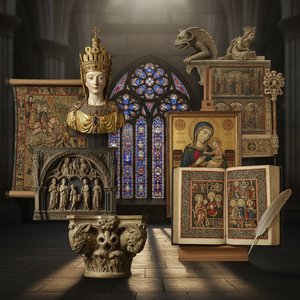
High Medieval Art: 10 Masterpieces That Shaped an Era | OriginalUniqueArt
Journey through High Medieval Art! Explore 10 iconic masterpieces – from Giotto's frescoes to stunning Gothic cathedrals. Discover the stories behind these timeless paintings, sculptures & illuminated manuscripts. Find museum-quality art reproductions at OriginalUniqueArt.com.
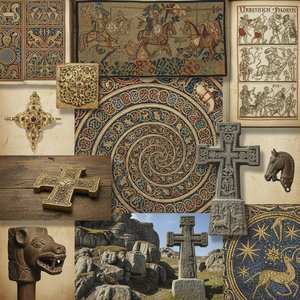
Early Medieval Art: 10 Masterpieces That Shaped a New World | OriginalUniqueArt
Journey through 10 stunning Early Medieval masterpieces – from the Book of Kells to Carolingian mosaics. Explore art history, symbolism & find museum-quality reproductions for your home at OriginalUniqueArt.com. Discover all masterpieces online!

Divine Light & Golden Splendor: A Journey Through the Sacred Grandeur of High Medieval Art
Embark on a soulful journey through High Medieval art. Explore the divine light of Gothic cathedrals, Byzantine splendor, and sacred masterpieces that shaped Western history with our expert-led cultural reflections.
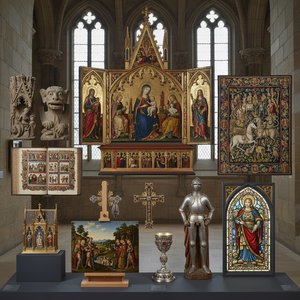
Late Medieval Masterpieces: 10 Artworks That Defined an Era | OriginalUniqueArt
Journey through 10 defining Late Medieval masterpieces – from Giotto's frescoes to Jan van Eyck’s realism. Explore the stories, techniques & vibrant colors of Gothic art. Find museum-quality reproductions and elevate your home decor with OriginalUniqueArt.com! Discover all masterpieces on OriginalUniqueArt.com

Sacred Symbols & Golden Light: A Journey Through the Divine Artistry of the Early Medieval Era
Embark on a visual journey through Early Medieval art. Explore the profound beauty of illuminated manuscripts, sacred symbols, and golden light through an expert historical lens, celebrating the enduring legacy of medieval craftsmanship and divine artistry.