实景预览
实景预览
 发送
发送 分享
分享
 详情
详情 指南
指南

 下载图片
下载图片
 相似作品
相似作品 X射线
X射线 幻灯片播放
幻灯片播放 统计数据
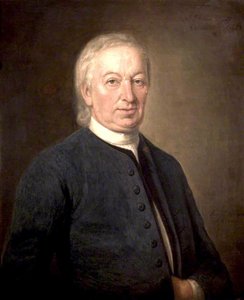
统计数据Patrick Home
 Neoclassicism
 1757
1757 69.0 x 52.0 cm
 阅读全文
阅读全文
艺术微喷/版画
博物馆级艺术微喷或帆布版画,制作高效,并提供多种饰面选择。 ( 订购此收藏品的纯手工复刻画作 切换至数字图像销售渠道)




































您可以从与原作比例一致的预设尺寸中进行选择。

请输入您所需的宽度和高度,以适配您的画框或墙面。由于印刷品只能进行裁剪,无法超出原图尺寸,因此若比例不一致,画面的一部分将会被裁切。在正式印刷之前,我们会为您发送一份数字效果图供您确认。本页面显示的图片并非最终裁剪后的效果——只有效果图才能展示真实的裁剪情况。


 玻璃选项仅适用于110厘米以下的尺寸。

Patrick Home
艺术微喷/版画
复刻品尺寸说明
-


总计金额
¥ 538
艺术家简介
A Legacy of Portraiture and Pedagogy
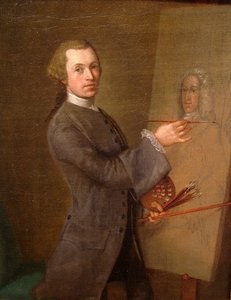
The story of Cosmo Alexander is one of wandering brilliance and the profound influence of a master upon his pupil. Born in Scotland to the noted portrait painter John Alexander, Cosmo was destined for a life steeped in the traditions of fine art. Before his journey took him across the Atlantic, he refined his eye through extensive travels across Europe, documenting his presence in Italy between 1745 and 1751, including time in Rome. His artistic development continued in Holland, where he achieved professional recognition by joining the painters' guild at The Hague. These formative years in the great art centers of Europe provided him with a sophisticated foundation in classical techniques that would later define his work in the American colonies.
Though Alexander often referred to himself as a history painter, his enduring legacy resides in his mastery of the portrait. His style, which aligns closely with the Classical Realism later championed by John Singleton Copley, captured the essence of the Scottish community and the colonial elite with remarkable precision. As he moved through the American landscape between 1766 and 1772, his brush followed a path of significant historical importance. From the bustling streets of Philadelphia to the coastal elegance of Newport, Rhode Island, and even as far south as Charleston, South Carolina, Alexander sought to capture the likenesses of a burgeoning nation through a lens of European refinement.
The Teacher of a Master
Perhaps the most significant chapter in Alexander’s life was his role as a mentor. In Newport, Rhode Island, he encountered a young Gilbert Stuart, a meeting that would alter the course of American art history forever. Recognizing the potential in the fourteen-year-old, Alexander took Stuart on as an apprentice. This relationship was more than a mere professional arrangement; it was a passing of the torch from the Old World traditions to the New. The two traveled together through the colonies, eventually returning to Edinburgh in 1771, where the bond between master and student remained unbroken until Alexander’s sudden death.
Alexander's life was marked by both artistic triumph and personal hardship. Driven by financial debts that had forced him to leave London, he arrived in America with the hope of rebuilding his fortune through his craft. While his travels were frequent—visiting New York City, Boston, and Williamsburg—his ability to secure patrons remained a testament to his skill. In Burlington, New Jersey, he even resided within the governor's mansion, utilizing such high-profile connections to find sitters for his portraits. Though his life was cut short in Edinburgh, the impact of his work remains visible in the collections of prestigious institutions today.
- Key Artistic Contributions: Known for over twenty-five identified American portraits that showcase his skill in portraiture and historical genre painting.
- Notable Mentorship: Served as the primary teacher and mentor to the legendary American artist Gilbert Stuart.
- Geographic Reach: His career spanned Scotland, Italy, Holland, England, and various American colonies including New York, Pennsylvania, and Rhode Island.
Cosmo Alexander
1724 - 1772
相关文章

The Enduring Legacy of Oil on Canvas: Technique, History & Aesthetic Impact
Explore the rich history & techniques of oil painting – from Renaissance masters to Impressionism. Discover pigments, layering methods, and why this timeless medium endures. Expert insights for artists & art enthusiasts.

Neo-Classicism's Greatest Hits: 10 Masterpieces for Your Home |
Journey through Neo-Classicism's finest! Explore 10 iconic masterpieces by David, Ingres & Canova. Discover art history, techniques & timeless beauty – perfect for inspiring your home decor. Find museum-quality reproductions at
古典主义的永恒遗产:原则、演变与西方艺术的影响
深入探索古典主义艺术的起源、演变与西方艺术史上的深远影响。OriginalUniqueArt.com提供高品质油画复制品和专业艺术咨询,助您鉴赏经典,收藏传世之作。

Patrick Nasmyth: A Scottish Romantic's Vision of History & the Grand Manner
Explore the captivating landscapes of Patrick Nasmyth, a key figure in Scottish Romanticism. Discover his Dutch influences, embrace of the Grand Manner, and lasting artistic legacy. Learn more at OriginalUniqueArt.

Oil on Canvas: A Historical & Technical Exploration of a Timeless Artistic Medium
Explore the rich history & enduring techniques of oil painting on canvas. Discover the science behind its longevity, conservation practices, and contemporary relevance. Expert insights for art enthusiasts.