
 实景预览
实景预览
 分享
分享 分享
分享
 详情
详情 指南
指南

 下载作品
下载作品
 相似作品
相似作品 X射线
X射线 幻灯片播放
幻灯片播放 问答
问答 统计数据
统计数据Pietà

- 48.0 x 33.0 cm


 展开全文
展开全文
艺术微喷/版画
博物馆级艺术微喷或帆布版画,制作高效,并提供多种饰面选择。 ( 订购纯手工绘制画作 切换至数字图像销售渠道)




P118B ¥10

P118H ¥10

P118W ¥10

P438Z ¥10

P508JH ¥12

P508YH ¥12

P805H ¥10

P805Z ¥10

P919BZ ¥10

P919G ¥10

P919XJ ¥10

P959ZH ¥10

P968JZ ¥12

W106C ¥8

W218G ¥10

W218JH ¥8

W218Y ¥10

W307PJ ¥10

W316G ¥10

W316PJ ¥8

W316Y ¥10

W398PJ ¥8

W4111J ¥10

W500HY ¥15

W500JH ¥15

W692G ¥12

W849H ¥8

W940BG ¥15

W953PJ ¥8




您可以从与原作比例一致的预设尺寸中进行选择。

请输入您所需的宽度和高度,以适配您的画框或墙面。由于印刷品只能进行裁剪,无法超出原图尺寸,因此若比例不一致,画面的一部分将会被裁切。在正式印刷之前,我们会为您发送一份数字效果图供您确认。本页面显示的图片并非最终裁剪后的效果——只有效果图才能展示真实的裁剪情况。


 玻璃选项仅适用于110厘米以下的尺寸。

Pietà
艺术微喷/版画
复刻品尺寸
-


最终结算价
¥ 543
The Pietà by Cosmè Tura: A Renaissance Echo of Grief and Grace
Within the hushed reverence of the Museo Correr in Venice resides a painting that transcends mere representation, becoming instead an embodiment of profound sorrow and enduring faith – Cosmè Tura’s 1460 “Pietà.” More than simply a depiction of Mary cradling her son's lifeless form, this work is a cornerstone of Early Renaissance art, a testament to the artist’s mastery of technique and his ability to infuse religious subject matter with an intensely human quality. The painting immediately draws the viewer into its somber world, dominated by muted earth tones – ochres, browns, and deep blues – that evoke both the solemnity of mourning and the timelessness of faith.
Tura’s skill lies not just in his technical proficiency but also in his nuanced understanding of composition. The arrangement is meticulously balanced, creating a sense of stability amidst the overwhelming grief. Mary's posture is one of quiet dignity, her head bowed in sorrow yet her hands gently supporting the weight of Christ’s body. The folds of her garment cascade gracefully around her, adding depth and texture to the scene while simultaneously emphasizing her role as the compassionate mother. The artist masterfully employs chiaroscuro – the dramatic contrast between light and shadow – to sculpt the figures, lending them a remarkable sense of volume and realism. Notice how the light catches on Christ’s face, highlighting his youthful beauty even in death, and how it subtly illuminates Mary's features, revealing her profound sadness.
A Window into Renaissance Symbolism
The “Pietà” is deeply rooted in the symbolic language of its time. The choice of depicting Mary cradling Christ’s body immediately connects it to the central mystery of Christian faith – the sacrifice and redemption offered through Jesus' death. Beyond this core symbolism, Tura incorporates elements that speak to the broader cultural context of 15th-century Italy. The landscape glimpsed in the background, reminiscent of Venetian architecture, subtly anchors the scene within a recognizable earthly realm, reminding viewers of the human cost of divine sacrifice. The veil draped over Mary’s face is not merely an act of modesty but also a visual representation of mourning and grief – a powerful symbol of the universal experience of loss.
Furthermore, the painting's realism, particularly in the depiction of Christ’s body, was revolutionary for its time. Tura’s anatomical accuracy—evident in the musculature and veins visible beneath his skin—demonstrates a keen interest in observing and representing the human form with unprecedented detail. This commitment to naturalism reflects the Renaissance fascination with classical antiquity and its emphasis on human beauty and proportion. The influence of earlier Gothic art is also evident, particularly in the pyramidal composition and the emotional intensity of the scene, but Tura elevates these elements through his masterful use of light, color, and form.
A Legacy of Beauty and Emotion
The “Pietà” by Cosmè Tura stands as a poignant reminder of the enduring power of art to evoke profound emotions. It’s not simply a representation of a biblical scene; it's an exploration of grief, faith, and the timeless bond between mother and son. Its influence can be seen in countless subsequent works of art, from Michelangelo’s own “Pietà” to later depictions of Mary mourning her son. The painting’s emotional resonance continues to captivate viewers centuries after its creation, solidifying its place as a masterpiece of the Early Renaissance.
Today, high-quality reproductions of this iconic work are available through OriginalUniqueArt.com, allowing art enthusiasts to bring a piece of this historical and emotional treasure into their homes or offices. Each reproduction meticulously recreates Tura’s masterful technique and evocative atmosphere, ensuring that the beauty and power of the “Pietà” are preserved for generations to come.
Technical Details & Dimensions
- Title: Pietà
- Artist: Cosmè Tura
- Date: 1460
- Medium: Tempera on Panel
- Size: 48 x 33 cm (approximately)
- Location: Museo Correr, Venice, Italy
Further Exploration
To delve deeper into the life and work of Cosmè Tura, we encourage you to explore these resources: Google Arts & Culture offers a detailed overview of the painting and its historical context. You can also find valuable information on Cosmè Tura’s biography at Wikipedia, as well as related works by the artist at OriginalUniqueArt.com and OriginalUniqueArt.com.
艺术家简介
费拉拉的远见者:科斯梅·图拉的生平与艺术
大约于1430年出生在意大利充满活力的公爵领地——费拉拉,科斯梅·图拉(Cosmè Tura)出身平凡,其父多梅尼科是一名鞋匠。然而,正是这位少年,最终成长为文艺复兴早期最具辨识度且影响深远的画家之一。尽管关于他早期训练的细节仍笼罩在迷雾之中,但艺术史学家推测,他可能曾师从加拉索·加拉西(Galasso Galassi),这位神秘的人物与名家皮耶罗·德拉·弗朗西斯卡有着千丝万缕的联系。这段早期的艺术熏陶或许为图拉日趋成熟的艺术感官奠定了基础,但真正点燃他创作火花的,却是1452年至1456年间的一段旅程,足迹可能遍及威尼斯与帕多瓦。在帕多瓦,他邂逅了弗朗切斯科·斯夸尔乔内(Francesco Squarcione)的工作室——那是艺术创新的关键中心,古典 antiquity 的研究与线性透视、浑厚造型等新兴文艺复术技法在此交相辉映。这些影响并非仅仅是被动地吸收,而是被图拉融会贯通,最终凝练成一种独属于他个人的风格:以锐利的线条、华丽的装饰感以及近乎痴迷的细节追求为特征。宫廷画家及其创新风格
图拉的艺术生涯在埃斯特家族的宫廷中绽放,他先后服务于博尔索·德·埃斯特公爵及后来的埃尔科莱一世。他不仅仅是一位画家,更是一位多才多艺的匠人,受雇创作的内容涵盖了湿壁画、板绘作品,甚至还包括锦标赛的设计、装饰家具乃至服饰纹样。这种多维度的角色体现了埃斯特家族对艺术造诣的高度重视,也为图拉提供了充足的实验空间,去探索各种材料与技法。他在油画运用上的创新尤为瞩目——他精妙地操控油彩的特性,呈现出令人惊叹的质感层次,从金属盔甲闪烁的寒光到华丽织物细腻的褶皱,皆跃然纸上。这种技术上的造诣与其深厚的艺术视野相辅相成,其灵感源自多元化的影响:弗拉·安杰利科(Fra Angelico)那宁静的虔诚、皮耶罗·德拉·弗朗西斯卡(Piero della Francesca)的几何精准、安德烈亚·曼特尼亚(Andrea Mantegna)极具戏剧性的透视缩减与古典典故,以及佛兰德画派画家那细致入微的写实主义。然而,图拉并未止步于对大师的模仿,而是将这些元素锻造成一种鲜明的“费拉拉美学”——一种由表现力十足的线条、错综复杂的装饰和迷人的动态感所定义的风格。这一时期的代表作包括1460年的《缪斯(细节)》,展现了他对形态与象征意义的细腻刻画;约1s1450年的早期作品《青年肖像》;以及完成于1475年的后期杰作《阅读中的圣安东尼》。他的《圣殇》(1474年)则是他运用蛋彩画技艺的又一明证。铸就于费拉拉的传奇遗产
科斯梅·图拉的影响力早已超越了埃斯特宫廷的围墙。他被公认为“费拉拉画派”的奠基人,这一艺术运动在15世纪末蓬勃发展,并对后世的意大利画家产生了深远影响。他的风格常被描述为特立独行,甚至带有某种令人不安的张力,这种特质不仅令同时代的人为之倾倒,至今仍让艺术史学家着迷。他线条中蕴含的表达能量、装饰元素中那近乎幻想的特质,以及他挑战艺术传统的勇气,使他在同辈艺术家中脱颖而出。他的影响延续到了乔瓦尼·安德烈亚·吉拉多尼(Giovanni Andrea Ghirardoni)等艺术家身上,后者在图拉于1495年逝世后继续发展着费拉拉风格。如今,虽然他的作品散见于世界各地的博物馆与私人收藏中,但其核心精髓仍保留在费拉拉本土,特别是在大教堂博物馆(Museo del Duomo)和斯基法诺亚宫(Palazzo Schifanoia)——后者那宏伟的湿壁画中,依然清晰可见图拉挥洒的笔触。影响与永恒的意义
若要理解科斯梅·图拉的艺术成就,必须洞察塑造其视觉世界的复杂影响网。他对弗拉·安杰利科的承袭,体现在其宗教作品中那份虔诚的力度;而皮耶罗·德拉·弗朗西斯卡对透视与几何形式的掌控,则为他的构图提供了结构性的基石。安德烈亚·曼特瓜艺术中的戏剧张力与古典隐喻也与图拉产生了深层共鸣,激励他去探索描绘空间与解剖结构的创新路径。此外,接触佛兰德画家很可能促使他采用了油画作为媒介,从而实现了更丰富的细节与纹理细微差别。即便加拉索·加拉西的导师身份仍笼罩在神秘之中,但这段可能的师承或许为他的艺术原则提供了最初的根基。科斯美·图拉的遗产不仅在于其绘画的美感与原创性,更在于他对意大利文艺复兴艺术发展的卓越贡献。他展现了一种非凡的能力,将多元的影响合而为一,铸就了统一且动人心魄的风格,确立了费拉拉作为艺术创新重要中心的地位,并在绘画史上留下了不可磨灭的印记。
科斯梅·图拉
1430 - 1495 , 意大利
艺术家简介
- Artistic Movement Or Style: 文艺复兴早期
- Artists Or Movements Influenced By This Artist: ['Giovanni Andrea Ghirardoni']
- Artists Who Influenced This Artist:
- Fra Angelico
- Piero della Francesca
- Andrea Mantegna
- Flemish Artists
- Date Of Birth: 约 1430 年
- Date Of Death: 1495 年
- Full Name: Cosmè Tura
- Nationality: 意大利
- Notable Artworks:
- 缪斯 (细节)
- 青年肖像
- 正在阅读的帕多瓦圣安东尼
- 圣彼得
- 圣殇
- Place Of Birth: 意大利,费拉拉
相关文章
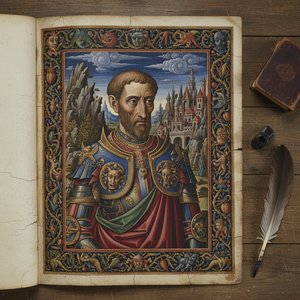
Cosmè Tura: Rediscovering the Ferrarese Master & His Distinctive Style
Discover Cosmè Tura (1430-1495), founder of the Ferrara School. Explore his unique style, key artworks & lasting influence. Expert insights for collectors.

Drama and Light: A Definitive Guide to the Italian Baroque Masterpieces and the Revolution of Chiaroscuro
Explore the dramatic world of Italian Baroque art. Discover how masters like Caravaggio used chiaroscuro and tenebrism to revolutionize painting through light, shadow, and profound realism. A definitive guide for history lovers and art collectors.

佛罗伦萨文艺复兴大师:安杰利科25幅传世名作赏析 | OriginalUniqueArt
探索佛罗伦萨文艺复兴大师安杰利科的25幅传世名作!深入了解其宗教绘画、壁画艺术与天使般的风格。OriginalUniqueArt.com提供高清复制品及精选装饰画,为您的室内空间增添永恒之美。立即在线探索完整系列!
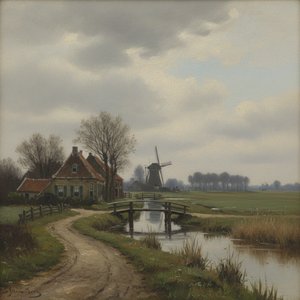
Jacob Henricus Maris: A Master of Dutch Atmospheric Realism & the Intimate Landscape
Explore the captivating world of Jacob Henricus Maris, a leading figure of the Dutch Hague School. Discover his atmospheric landscapes, signature brushstrokes & lasting influence on 19th-century art. Learn more at OriginalUniqueArt.
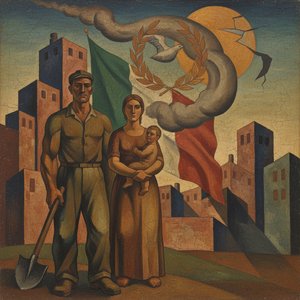
Mario Sironi: A Poetic of Modern Italian Identity Through Symbolism & Social Commentary
Explore the profound works of Mario Sironi, a key figure in Italian Modernism. Discover his evolution from Futurism to Metaphysical painting and his powerful social commentary. Learn about his legacy at OriginalUniqueArt.
