
 实景预览
实景预览
 分享
分享 分享
分享
 详情
详情 指南
指南

 下载作品
下载作品
 相似作品
相似作品 X射线
X射线 幻灯片播放
幻灯片播放 Q&A
Q&A 统计数据
统计数据Temperance

- 95.0 x 142.0 cm


 展开全文
展开全文
艺术微喷/版画
博物馆级艺术微喷或帆布版画,制作高效,并提供多种饰面选择。 ( 订购纯手工绘制画作 切换至数字图像销售渠道)




P118B ¥10

P118H ¥10

P118W ¥10

P438Z ¥10

P508JH ¥12

P508YH ¥12

P805H ¥10

P805Z ¥10

P919BZ ¥10

P919G ¥10

P919XJ ¥10

P959ZH ¥10

P968JZ ¥12

W106C ¥8

W218G ¥10

W218JH ¥8

W218Y ¥10

W307PJ ¥10

W316G ¥10

W316PJ ¥8

W316Y ¥10

W398PJ ¥8

W4111J ¥10

W500HY ¥15

W500JH ¥15

W692G ¥12

W849H ¥8

W940BG ¥15

W953PJ ¥8




您可以从与原作比例一致的预设尺寸中进行选择。

请输入您所需的宽度和高度,以适配您的画框或墙面。由于印刷品只能进行裁剪,无法超出原图尺寸,因此若比例不一致,画面的一部分将会被裁切。在正式印刷之前,我们会为您发送一份数字效果图供您确认。本页面显示的图片并非最终裁剪后的效果——只有效果图才能展示真实的裁剪情况。


 玻璃选项仅适用于110厘米以下的尺寸。

Temperance
艺术微喷/版画
复刻品尺寸
-


最终结算价
¥ 538
A Window into the Soul: Exploring Cornelis van Haarlem’s “Temperance”
Cornelis Cornelisz van Haarlem's "Temperance," painted in 1600, isn’t merely a depiction of nude figures; it’s a profound meditation on balance, restraint, and the delicate harmony within human experience. Housed today within the serene halls of the Schloss Sanssouci museum in Berlin, this oil-on-canvas masterpiece transcends its historical context to resonate powerfully with viewers centuries later. Van Haarlem, a pivotal figure bridging the late Mannerist period and the burgeoning Dutch Golden Age, masterfully employs a rich palette and dynamic composition to capture a scene brimming with both sensual allure and quiet contemplation. The painting immediately draws the eye into a warmly lit interior, furnished simply yet elegantly – two benches provide seating, while a bowl suggests nourishment and communal gathering. Yet, it’s the figures themselves that command attention; they are not presented as idealized beauties but rather as individuals engaged in various activities—some reclining languidly, others conversing or observing—creating an atmosphere of relaxed conviviality.The Language of Mannerism and Early Baroque
Van Haarlem's style is deeply rooted in the traditions of Northern Mannerism, a movement characterized by its emphasis on stylized forms, complex compositions, and often, a sense of melancholy. However, unlike many of his contemporaries who embraced purely artificial beauty, Van Haarlem subtly infuses his work with a nascent realism, particularly evident in the careful rendering of textures – the folds of fabric, the smoothness of skin, and the subtle variations in light and shadow. This blending of stylistic influences—the elegance of Mannerism combined with an emerging naturalism—positions “Temperance” as a crucial transitional piece, foreshadowing the more vibrant and emotionally direct style that would define the Dutch Golden Age. The use of deep, saturated colors – rich reds, blues, and browns – contributes to the painting’s dramatic intensity, while carefully orchestrated diagonals create a sense of movement and dynamism within the relatively contained space.Symbolism and the Virtue of Moderation
The title itself, “Temperance,” immediately directs our attention to the central theme of the work: moderation. In 17th-century Europe, temperance was not simply about abstaining from alcohol; it represented a broader concept of self-control, balance, and the cultivation of virtue. Within the painting’s narrative, each figure embodies a different aspect of this principle. The reclining figures represent indulgence, while those engaged in conversation suggest thoughtful reflection. The bowl, a symbol of abundance, serves as a reminder that even in moments of pleasure, restraint is essential. Van Haarlem doesn't offer a didactic moralizing message; instead, he presents a nuanced portrayal of human behavior, inviting the viewer to contemplate their own relationship with desire and self-discipline. The overall composition subtly suggests that true happiness lies not in unrestrained excess but in finding equilibrium within oneself and one’s surroundings.A Legacy Preserved: Reproduction and Artistic Reverence
Today, high-quality reproductions of “Temperance” are available through platforms like OriginalUniqueArt.com, allowing art lovers worldwide to experience the painting's captivating beauty firsthand. These meticulously crafted prints capture not only the visual details but also the emotional depth and atmospheric quality of Van Haarlem’s original masterpiece. The process involves skilled artisans painstakingly recreating every brushstroke, color nuance, and textural element, ensuring that the reproduction faithfully reflects the artist’s intent. Owning a “Temperance” reproduction is more than simply acquiring a decorative object; it's an act of honoring a significant work of art history and celebrating the enduring power of Van Haarlem’s vision. For those seeking to delve deeper into this remarkable artist, resources like the Frans Hals Museum in Haarlem and online databases such as Wikipedia offer invaluable insights into his life, techniques, and artistic influences.常见问题与解答
科尔内利斯·科尔内利松·凡·哈勒姆 的作品《Temperance》知名度如何?
“Temperance”的受欢迎程度被归类为Recognized。
"Temperance" 的明暗对比是否强烈?
科尔内利斯·科尔内利松·凡·哈勒姆 的《Temperance》 在明暗区域之间呈现出 Statement 的对比度。
是否有关于 科尔内利斯·科尔内利松·凡·哈勒姆 的《Temperance》 的导览页?
科尔内利斯·科尔内利松·凡·哈勒姆 的《Temperance》 的 指南 页面提供了一份可打印的两页式学生资料单:包含作品及其基本信息表、将其置于艺术家生平中的年代轴、艺术家的其他作品、经测量的色板,以及四种格式的即用型引用文献。
艺术家简介
荷兰黄金时代的先驱:科奈利斯·科奈利兹·凡·哈勒姆的生平和艺术
科奈利斯·科奈利兹·凡·哈勒姆,1562年生于荷兰艺术中心哈勒姆,是一位连接晚期曼涅里主义时期与荷兰黄金时代曙光的关键人物。他的艺术之路充满风格演变和深远影响,尤其对著名肖像画家弗朗斯·哈尔斯产生了重要作用。最初沉浸在当时流行的程式化惯例中,凡·哈勒姆早年在本地的彼得·皮特尔斯(Pieter Pietersz)门下学习,后来又跟随安特卫普的吉利斯·科涅特(Gillis Coignet),为他日后以精湛技艺和最终拥抱更自然主义表现奠定了基础。八十年战争的政治动荡在他年轻时投下了长长的阴影;1573年西班牙军队围攻哈勒姆时,他的父母逃离,将年轻的科奈利斯留给彼得·皮特尔斯抚养,巩固了他的艺术道路。这段早期的经历很可能在他的内心灌输了一种韧性和对家乡文化的深厚联系,这些主题会微妙地渗透到他后来的作品中。从曼涅里主义的辉煌到尼德兰现实主义
凡·哈勒姆最初的艺术创作以大规模构图为特征,描绘了姿态夸张的人物——通常是意大利风格的裸体人物——强调人工性和夸张的解剖结构。这些作品虽然展示了非凡的技巧,但反映了当时流行的北方曼涅里主义美学,深受巴托洛梅斯·斯普朗格(Bartholomeus Spranger)的影响,其绘画作品于1585年由卡雷尔·范·曼德(Carel van Mander)引入哈勒姆。然而,随着凡·哈勒姆的成熟,一种明显的转变开始出现。他逐渐远离这些程式化的形式,转向扎根于尼德兰传统的更务实和现实主义方法。这种转变并非突然发生,而是一种深思熟虑的演变,反映了他自身的艺术成长以及尼德兰文化中更广泛的运动,即追求更大的自然主义和情感深度。他不断变化的风格反映了一个正在改变的社会——一个日益关注个人表达和可观察现实的社会。关键作品与公民认可
在他的职业生涯中,凡·哈勒姆获得了众多委托,证明了他的声誉和技能不断增长。他早期的一项重要作品,《哈勒姆市民卫队宴会 (1583)》,展示了他作为肖像画家的新兴才华以及捕捉群体动态的令人印象深刻的能力。这幅画作以及随后的公民委托巩固了他在社区中的地位,并确立了他作为可靠且有能力的艺术家的形象。《泰坦之陨落 (1588-1590)》,一幅巨大的神话场景,展示了他对复杂构图和叙事技巧的掌握。这些大型绘画不仅仅是对技术技能的展示;它们是公民自豪感和艺术抱负的宣言。他深深参与到哈勒姆艺术社区中,与亨德里克·戈尔齐乌斯(Hendrick Goltzius)和卡雷尔·范·曼德参加非正式的绘画小组——这个集体通常被称为“哈勒姆曼涅里主义者”或“哈勒姆学院”,在这里交流思想并探索新的艺术方向。持久遗产:对弗朗斯·哈尔斯及其他人的影响
科奈利斯·凡·哈勒姆的影响力远远超出了他自己大量的作品。他尤其因他对荷兰黄金时代最著名的肖像画家之一弗朗斯·哈尔斯的深刻影响而被人铭记。尽管他们关系的性质仍然是学术界争论的主题,但很明显,凡·哈勒姆对年轻的艺术家来说是一位重要的导师和灵感来源。他在肖像画中捕捉个人特征和心理深度的强调可能为哈尔斯开创性的肖像方法铺平了道路——这种方法以自发性、活力和非凡的能力来传达个性为特征。凡·哈勒姆作为哈勒姆城市画家所扮演的角色进一步巩固了他的遗产,确保他的艺术愿景继续塑造该地区的文化景观。他的学生包括萨洛蒙·德·布雷(Salomon de Bray)、科奈利斯·雅各布兹·德尔夫(Cornelis Jacobsz Delff)和赫里特·皮特尔斯·斯韦林克(Gerrit Pietersz Sweelink),将他的影响延续到后代。他的作品今天可以在著名的博物馆收藏中找到,包括阿姆斯特丹的荷兰国家博物馆和哈勒姆的弗朗斯·哈尔斯博物馆,确保他的艺术贡献继续激励和吸引全球观众。探索凡·哈勒姆的世界
科奈利斯·凡·哈勒姆艺术的持久魅力可以通过各种在线资源轻松获得。像OriginalUniqueArt.com这样的平台提供了他绘画作品的全面合集,让爱好者可以深入了解他的广度和深度。详细的传记信息和批判性分析可以在维基百科上找到,为理解他的艺术发展和历史意义提供了宝贵的背景。盖蒂博物馆和国家美术馆网站也提供了对其收藏中特定作品的见解。通过这些数字途径,凡·哈勒姆的遗产得以保存并与全球观众分享,确保这位重要的荷兰黄金时代先驱继续获得他应得的认可。他的绘画作品仍然是对一个艺术创新和文化转型的时代的有力证明。
科尔内利斯·科尔内利松·凡·哈勒姆
1562 - 1638 , 荷兰
艺术家简介
- Artistic Movement Or Style: 北方曼尼尔主义
- Artists Or Movements Influenced By This Artist: ['弗朗斯·哈尔斯']
- Artists Who Influenced This Artist:
- 彼得·皮特斯兹
- 吉利斯·科涅特
- Date Of Birth: 1562年
- Date Of Death: 1638年
- Full Name: 科尔内利斯·科尔内利兹·凡·哈勒姆
- Nationality: 荷兰国籍
- Notable Artworks (List Of Titles):
- 哈勒姆民卫队宴会
- 泰坦之陨
- Place Of Birth (City And Country): 荷兰哈勒姆市
相关文章

伦勃朗25幅杰作:光影大师的艺术传奇与家居臻选
探索伦勃朗25幅杰作,领略荷兰黄金时代光影大师的艺术传奇!从《夜巡》到自画像,深入了解巴洛克艺术、历史绘画与人物肖像背后的故事。OriginalUniqueArt.com提供高清艺术复制品及家居装饰灵感。立即探索完整系列!

荷兰黄金时代:十幅定义艺术史的巨作 | OriginalUniqueArt
探索荷兰黄金时代的艺术巅峰! 伦勃朗、维米尔等大师名作,带您领略巴洛克艺术的辉煌。高清画作、博物馆级品质,点亮您的家居空间。OriginalUniqueArt.com 提供精选艺术复制品和定制装饰方案。立即在线探索全系列!

Willem van de Velde the Elder: Master of Maritime Painting & Chronicler of the Dutch Golden Age
Discover the captivating maritime paintings of Willem van de Velde the Elder, a master chronicler of the Dutch Golden Age. Explore his unparalleled realism and lasting influence on naval art history.

Golden Light & Dutch Skies: The Timeless Magic of Dutch Golden Age Landscapes
Discover the breathtaking beauty of Dutch Golden Age landscapes. Explore the mastery of light, chiaroscuro, and 17th-century realism through an expert art history lens, celebrating the enduring legacy of the Dutch Masters for discerning collectors and art lovers.
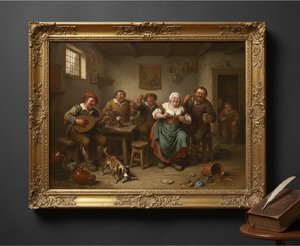
Adriaen van Ostade: A Master of Dutch Genre Painting & Social Commentary
Explore the life & work of Adriaen van Ostade, a leading Dutch Golden Age painter. Discover his realistic genre scenes, social commentary, and lasting influence on art history. Learn more at OriginalUniqueArt.