切换至版画销售渠道
 展开全文
展开全文







































 对于任何边长超过 105 厘米(约 41 英寸)的艺术品或复制品,画框将以拆解后的组件形式发货。此方法可确保安全送达并防止运输过程中的损坏。


Lunch on the Grass: A Symphony of Light and Impression
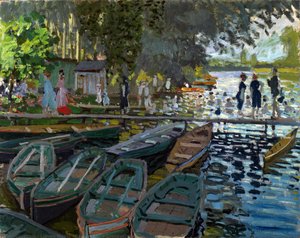
Claude Monet’s “Lunch on the Grass,” painted in 1865 during his formative years as an Impressionist, stands as a cornerstone of the movement's aesthetic philosophy. More than just a depiction of a picnic scene—though undeniably charming—it embodies Monet’s relentless pursuit of capturing the ephemeral beauty of nature and translating it onto canvas with unprecedented vibrancy.
The Scene Unfolds: The painting portrays a group of figures enjoying a meal amidst a lush meadow in Giverny, Monet's estate. Thirteen individuals are visible, engaged in conversation and bathed in dappled sunlight filtering through the foliage. Tables laden with wine glasses, plates piled high with food, and scattered napkins contribute to an atmosphere of convivial relaxation—a deliberate contrast to the formal academic painting styles prevalent at the time.
Impressionistic Technique: Monet’s masterful technique exemplifies the Impressionist ethos. Rather than striving for photographic realism, he employed loose brushstrokes – visible pigment particles suspended in oil paint – to convey the sensation of light and color as perceived by the eye. The artist eschewed blending colors meticulously; instead, he layered hues side-by-side, allowing them to merge optically when viewed from a distance. This approach is particularly evident in the treatment of the grass itself—a riot of greens punctuated by yellows and blues—creating an illusion of movement and luminosity.
Historical Context & Symbolism: “Lunch on the Grass” emerged during a period of significant artistic experimentation, challenging established conventions. Monet’s decision to paint *en plein air*, directly from observation, was revolutionary, aligning with Eugène Boudin's influence and marking a decisive break from studio painting. The picnic itself carries symbolic weight—representing leisure, friendship, and the celebration of sensory experience—values central to Impressionist ideals.
Emotional Resonance: Viewing “Lunch on the Grass” evokes a profound sense of tranquility and warmth. Monet’s masterful use of color captures not only the visual splendor of the meadow but also its intangible atmosphere – the feeling of summer air, the murmur of voices, and the joy of shared companionship. It's a painting that invites contemplation and transports us back to a moment of simple beauty—a testament to Monet’s enduring legacy as one of art history’s most perceptive interpreters of light and emotion.
- Artist: Claude Monet
- Year Painted: 1865
- Style: Impressionism
- Medium: Oil on Canvas
- Location: Musée d'Orsay, Paris
Explore a stunning reproduction of “Lunch on the Grass” at Musée d'Orsay and discover how Monet’s vision continues to inspire artists and collectors worldwide.
常见问题与解答
克劳德·莫奈 的《Lunch on the Grass》 的对比度表现如何?
克劳德·莫奈 的《Lunch on the Grass》 的色彩对比度为 Statement。
创作《Lunch on the Grass》时,克劳德·莫奈 的年龄是多少?
克劳德·莫奈 在 25 岁时创作了《Lunch on the Grass》。艺术家出生于 1840,该作品创作于 1865 年。
克劳德·莫奈 的《Lunch on the Grass》 的色彩浓郁度如何?
“Lunch on the Grass”的色彩强度为Balanced。强度描述了色彩呈现的浓郁程度。
 实景预览
实景预览
 分享
分享 分享
分享
 详情
详情 指南
指南

 下载作品
下载作品
 相似作品
相似作品 X射线
X射线 幻灯片播放
幻灯片播放 Q&A
Q&A 统计数据
统计数据