

 实景预览
实景预览
 发送
发送 分享
分享
 详情
详情 指南
指南

 下载图片
下载图片
 相似作品
相似作品 X射线
X射线 幻灯片播放
幻灯片播放 统计数据
统计数据Montesquieu


 阅读全文
阅读全文
艺术微喷/版画
博物馆级艺术微喷或帆布版画,制作高效,并提供多种饰面选择。 ( 订购此收藏品的纯手工复刻画作 切换至数字图像销售渠道)




P118B $10

P118H $10

P118W $10

P438Z $10

P508JH $12

P508YH $12

P805H $10

P805Z $10

P919BZ $10

P919G $10

P919XJ $10

P959ZH $10

P968JZ $12

W106C $8

W218G $10

W218JH $8

W218Y $10

W307PJ $10

W316G $10

W316PJ $8

W316Y $10

W398PJ $8

W4111J $10

W500HY $15

W500JH $15

W692G $12

W849H $8

W940BG $15

W953PJ $8




您可以从与原作比例一致的预设尺寸中进行选择。

您可以输入自定义尺寸,以适配特定的画框或空间。如果您选择的尺寸与原图比例不符,我们将对作品进行裁剪,或通过镜像填充/纯色填充边缘的方式来扩展图像。在开始制作之前,我们会向您发送一份数字效果图供您确认。
请注意,屏幕上的预览并不能反映实际的裁剪或扩展效果。只有效果图才能准确展示最终的构图。
虽然我们提供定制尺寸,但为了保持原图比例,我们建议您从预设列表中选择尺寸。


 玻璃选项仅适用于110厘米以下的尺寸。

Montesquieu
艺术微喷/版画
复刻品尺寸说明
-


总计金额
$ 80
The Stoic Scholar: An Encounter with Claude Michel (Clodion)’s “Montesquieu”
Standing before Claude Michel’s (Clodion) marble statue of Montesquieu, one is immediately struck by the profound stillness and contemplative power emanating from the figure. This isn't merely a portrait; it’s an embodiment of Enlightenment thought, a frozen moment of intellectual rigor captured in exquisitely polished white marble. The sculpture, created in 1783, resides within a museum setting, its reflective surface mirroring the surrounding space and subtly expanding the sense of grandeur. Clodion, a master sculptor working primarily in Paris during this period, expertly rendered the likeness of the influential French philosopher, Jean-Jacques Rousseau’s friend and political theorist, Charles de Montesquieu. The statue invites quiet observation, prompting reflection on the nature of reason, justice, and the complexities of governance – themes central to Montesquieu's groundbreaking work, *The Spirit of Laws*.
Neoclassical Form and Subtractive Technique
Clodion’s style firmly anchors this piece within the Neoclassical tradition. This movement, which flourished in Europe during the late 18th and early 19th centuries, sought to revive the artistic ideals of ancient Greece and Rome. The statue's composition—the seated figure, the draped garment, the carefully modeled musculature—all echo classical forms. However, Clodion’s approach transcends mere imitation; he imbues the sculpture with a distinctly modern sensibility. The technique itself is crucial to understanding the work’s impact. Marble carving is an inherently subtractive process – the sculptor begins with a massive block of stone and meticulously removes material until the desired form emerges. This painstaking method, combined with Clodion's masterful control of light and shadow, results in surfaces that appear almost impossibly smooth and luminous. The subtle variations in tone within the marble—a hint of grey near the folds of the robe, a brighter sheen on the exposed flesh—create an illusion of depth and texture, mimicking the tactile qualities of the stone itself.
Symbolism Within the Pose: Authority and Reflection
The pose of Montesquieu is deliberately powerful yet restrained. He’s seated in a classical chair, his posture erect, suggesting authority and intellectual strength. His hands rest upon a book – a clear reference to his extensive writings on law and political philosophy. However, it's not a gesture of triumphant pronouncements; rather, it conveys a sense of thoughtful deliberation. The gaze is directed slightly downward, as if lost in contemplation, inviting the viewer to join him in a shared intellectual journey. The mirrored wall behind the statue further amplifies this effect, creating an echo of the figure and suggesting a deeper level of introspection. It’s a visual metaphor for Montesquieu's own ideas – reflecting back upon society and offering insights into its structure and function.
A Legacy in Stone: Clodion’s Artistic Voice
Claude Michel (Clodion), born Benjamin West in 1738, was a pivotal figure in the transition between Neoclassicism and Romanticism. His early career in America, where he honed his skills painting portraits of prominent figures, provided him with a strong foundation in realism and observation. Later, he moved to Paris, embracing the challenges and opportunities of the European art scene. Clodion’s work is characterized by its dramatic lighting, dynamic compositions, and often theatrical flair. While “Montesquieu” represents his more restrained and contemplative side, it nonetheless showcases his exceptional technical skill and his ability to capture the essence of his subject. Reproductions of this statue offer a remarkable opportunity to experience the enduring power of Neoclassical sculpture – a testament to the artist’s vision and the timeless relevance of Enlightenment ideals. The piece stands as a powerful reminder that art can not only reflect history but also invite us to engage with its profound questions.
艺术家简介
本杰明·韦斯特:跨越世界的画笔,绘就历史的篇章
1738年,本杰明·韦斯特出生于宾夕法尼亚州的斯普林菲尔德——如今那里的一座大学校园依然回响着他早年的生活气息。从卑微的出身到享誉国际,他的艺术旅程是自学成才与不懈雄心的有力见证。他的故事不仅仅关乎天赋,更是一部交织着美国新兴精神、欧洲赞助体系的复杂性以及艺术品味演变的叙事史。幼年的本杰明在父亲约翰·韦斯特经营的小酒馆中长大,置身于纽敦广场充满活力的社交生活之中;在母亲的鼓励下,他培养了对艺术早期的痴迷,并展现出捕捉周围世界的卓越能力——据传,他甚至曾向展示传统技艺的美洲原住民学习颜料的调制方法。
韦斯特的艺术成长之路极不寻常。尽管缺乏正式训练,但他很快在费城确立了肖像画家的地位,通过承接当地委托积累了财富,这为他在25岁时转向欧洲这一关键转折提供了经济基础。这一决定成为了他生命的转折点,将他推向了欧洲艺术的核心,并为其开启了一个由宏大历史叙事和显赫人脉定义的职业生涯。在意大利的早年岁月里,他致力于精细的研究,通过临摹提香、拉斐尔和伦勃朗等大师的作品,深度吸收他们的技法,以及对构图、光影与色彩的深刻理解。这段时期并非单纯的模仿,而是一个磨炼技艺、为建立个人独特风格奠定基石的自觉过程。
伦敦名声鹊起
1763年抵达伦敦,对韦斯特而言具有变革性的意义。他迅速建立起了一个由显赫赞助人组成的网络,其中包括约克大主教,正是后者将他引荐给了乔治三世国王——这次邂逅深刻地塑造了他的职业生涯。国王的青睐使韦斯特被任命为宫廷历史画家及国王画作监察员,这些职位赋予了他接触皇家委任作品的无与伦比的机会,并确立了他作为英国艺术界领军人物的地位。这一地位的提升恰逢艺术品味的重大转向——即受古典文明复兴启发而兴起的“新古典主义”。韦斯特积极拥抱这一运动,将其中强调秩序、清晰度与道德主题的精神融入到了自己的作品之中。
韦斯特最负盛名的成就《沃尔夫将军之死》(1770年)便是这种转型期的典范。这幅描绘魁北克战役关键时刻的宏伟巨作,打破了既定传统,尝试用古典历史画的风格来表现当代军事场景。他决定让画面中的人物身着现代军装——这与传统的英雄战争描绘相比是一次大胆的背离——这一举动具有革命性意义,并立即赢得了评论界的赞誉。《沃尔夫将军之死》的成功将韦斯特推向了国际舞台,确立了他作为英国艺术重要力量的地位,同时也证明了他既能进行艺术创新,又能满足皇家宫廷审美趣味的能力。
美国艺术家的导师
除了自身丰硕的创作产出,本杰明·韦斯特在培养下一代美国艺术家方面也发挥了至关重要的作用。他敏锐地察觉到那些前往欧洲寻求艺术训练的同胞身上蕴含的潜力,于是将自己的工作室打造成为志向远大的画家的避风港。他指导了众多才华横溢的人物,包括查尔斯·威尔逊·皮尔、吉尔伯特·斯图尔特和约翰·特伦布尔,其中许多人都后来在各自领域取得了卓越成就。韦斯特的慷慨不仅限于传授技艺,他还为他们提供参观画廊的机会,引荐艺术界的影响力人物,并在美国艺术界内部培养了一种社区归属感。
韦斯特的影响力并未止步于他的学生。他积极推动对古典文明的研究,深信深入理解历史与神话是创作具有意义的艺术作品之基石。他自己的绘画作品经常从历史事件和神话叙事中汲取灵感,反映了他致力于通过画面传达道德分量与戏剧冲击力的承诺。他的后期作品,如《圣保罗在马耳他海难后的幸存》以及《基督医治病人》,展示了他不断演进的风格以及对宏大历史构图持久的专注。
遗产与历史意义
本杰明·韦斯特的职业生涯跨越了五十多年,期间他深刻地塑造了美英两国艺术的发展进程。他不仅仅是一位画家,更是一位先驱、一位创新者,以及皇家艺术学院建立过程中的关键人物——这一机构后来成为了英国艺术界的基石。他对新古典主义的拥护、具有开创性的《沃尔夫将军之死》,以及作为美国艺术家导师的角色,共同奠定了他作为18世纪艺术史上最重要人物之一的传奇地位。
韦斯特的故事之所以动人心弦,是因为它代表了一种罕见的机遇交汇:一位自学成才者通过天赋、赞助和对艺术趋势的敏锐洞察力走向巅峰。他架起了连接美洲与欧洲的桥梁,促进了文化的交流,并留下了丰富的艺术遗产,至今仍在激励着后世的艺术家。他的生平与作品为我们提供了一个窥探18世纪艺术动态世界以及人类创造力永恒力量的迷人窗口。

克洛迪翁
1738 - 1814
快速概览
- Artistic Movement Or Style: 新古典主义,历史画
- Artists Or Movements Influenced By This Artist:
- 科普利
- 浪漫主义
- Artists Who Influenced This Artist:
- 提香
- 拉斐尔
- 门格斯
- Date Of Birth: 1738年10月10日
- Date Of Death: 1820年3月11日
- Full Name: 本杰明·威斯特
- Nationality: 美国
- Notable Artworks:
- 넬逊之死
- 沃尔夫之死
- 巴黎条约
- Place Of Birth: 宾夕法尼亚州斯普林菲尔德
相关文章

Bronze Sculptures That Defined Art History | OriginalUniqueArt
Journey through art history with our Top 10 bronze sculptures! Explore masterpieces by Rodin, Michelangelo & more. Discover stories behind iconic statues and find museum-quality reproductions for your home decor at OriginalUniqueArt.com.
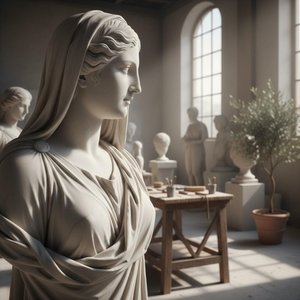
Timeless Elegance: A Complete Guide to the Sublime Beauty and Artistry of Marble Sculpture
Discover the sublime beauty of marble art through an expert exploration of Renaissance and Neoclassical masterpieces. From the delicate textures of Carpeaux to the grandeur of Sansovino, immerse yourself in a guide to timeless elegance and sculptural perfection.

Bronze Age to Modern Masters: 10 Sculptures That Redefined Art | OriginalUniqueArt
Journey through art history with 10 legendary bronze sculptures – from Michelangelo's David to Rodin’s Thinker. Explore the stories, techniques & timeless beauty of these masterpieces. Find museum-quality reproductions & elevate your home decor on OriginalUniqueArt.com.
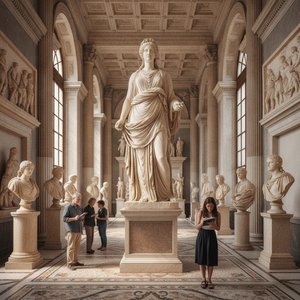
Timeless Grandeur: Exploring the Eternal Beauty and Art-Historical Legacy of Marble Sculpture
Explore the profound legacy of marble sculpture, from Classical antiquity to Neoclassical mastery. A definitive guide for elite collectors and designers seeking to integrate the luminous, eternal beauty of stone into sophisticated, high-end architectural spaces.

The Enduring Allure of Marble in Art History: From Classical Sculpture to Modern Abstraction
Explore the captivating history of marble sculpture from ancient Greece to modern art. Discover renowned artists like Canova & Michelangelo, carving techniques, and investment insights at OriginalUniqueArt.