

 效果预览
效果预览
 购买印刷品
购买印刷品 分享
分享 分享
分享
 详情
详情

 下载
下载
 相似作品
相似作品 X射线
X射线 幻灯片播放
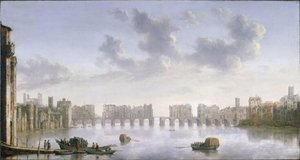
幻灯片播放Landscape, Claude de Jongh, 1633


 展开详情
展开详情




































从与原作比例一致的预设尺寸中进行选择。

您可以输入自定义尺寸,以适配特定的画框或空间。如果所选尺寸与原图比例不符,我们将通过裁剪作品或添加手绘元素来扩展画面。数字样稿将在制作开始前发送给您确认。
请注意,屏幕预览无法准确反映实际的裁剪或扩展效果,只有样稿才能真实呈现最终的构图。
虽然我们提供定制尺寸服务,但为了保留原作比例,建议您从预设列表中选择尺寸。
下单后,OriginalUniqueArt.com 团队将通过电子邮件联系客户获取具体要求,并提供效果预览图。


 玻璃选项仅适用于110厘米以下的尺寸。

Landscape, Claude de Jongh, 1633
复制材质
复制品尺寸
-


最终总价
$ 325
作品详情
艺术家简介
Claude de Jongh: A Dutch Master of the English Landscape
Born in Utrecht, Netherlands, in 1605, Claude de Jongh emerged as a significant figure within the vibrant landscape painting tradition of the Dutch Golden Age. While his early life remains somewhat shrouded in historical detail – information is scarce beyond his birth and death dates – what’s known paints a picture of an artist deeply influenced by both the classical ideals of Italianate landscapes and the burgeoning interest in depicting the natural world with increasing scientific accuracy. De Jongh's career was notably marked by extensive travels, particularly to England during the mid-17th century (1625-1650), a period that profoundly shaped his artistic vision and subject matter.
The Netherlands Institute for Art History highlights de Jongh’s journey as a pivotal element in understanding his work. His presence in England wasn't merely a fleeting visit; he was registered there multiple times, suggesting a sustained engagement with the English countryside. This immersion undoubtedly exposed him to new artistic approaches and perspectives, influencing his style and broadening his repertoire beyond purely Dutch motifs. The English landscapes – characterized by rolling hills, dramatic skies, and often incorporating elements of Roman ruins or medieval structures – became a central focus of his oeuvre.
A Painter of Light and Atmosphere
De Jongh’s artistic technique is immediately recognizable for its masterful handling of light and atmosphere. He possessed an exceptional ability to capture the subtle shifts in illumination across a scene, creating a sense of depth and realism rarely seen in contemporary landscape painting. His compositions are often characterized by a balanced arrangement of elements – trees, water, buildings – all rendered with meticulous detail and a keen eye for color. He frequently employed atmospheric perspective, utilizing lighter tones and softer edges to suggest distance, further enhancing the illusion of space.
His use of oil paint was particularly noteworthy. De Jongh layered thin glazes upon each other, building up complex textures and luminous effects. This technique allowed him to achieve a remarkable level of detail while maintaining a sense of fluidity and spontaneity. The influence of Italianate landscape painters like Leonardo da Vinci and Andrea Palladio is evident in his careful observation of nature and his commitment to portraying it with intellectual rigor.
Key Works and Themes
Among de Jongh’s most celebrated works are paintings such as “Landscape” (1633), a dramatic depiction of a medieval castle nestled beside a winding river. This piece exemplifies his ability to combine topographical accuracy with an expressive use of color and light, creating a scene that is both visually stunning and emotionally evocative. Other notable works include scenes featuring English ruins – a testament to his time spent in the country – alongside depictions of pastoral landscapes teeming with wildlife.
Recurring themes in de Jongh’s work often explore the relationship between humanity and nature. He frequently depicted figures within the landscape, suggesting a sense of harmony and connection between people and their surroundings. However, he also conveyed a subtle awareness of the power and unpredictability of the natural world, reminding viewers of its inherent beauty and potential for both wonder and danger.
Legacy and Historical Significance
Claude de Jongh’s contribution to Dutch landscape painting is significant, though perhaps less widely recognized than some of his contemporaries. His travels to England proved transformative, expanding his artistic horizons and influencing the development of a distinctly English style within the broader context of Dutch art. His meticulous observation of nature, combined with his masterful technique, cemented his place as a skilled and insightful artist.
While biographical details remain limited, de Jongh’s work continues to resonate today, offering viewers a glimpse into a bygone era and a profound appreciation for the beauty and complexity of the natural world. His paintings serve as a valuable record of 17th-century England and a testament to the enduring power of landscape art.
claude de jongh
1605 - 1663 , Netherlands
艺术家简介
- Artistic Movement Or Style: Landscape painter
- Date Of Birth: 1605, Utrecht
- Date Of Death: 1663, Utrecht
- Full Name: Claude de Jongh
- Nationality: Dutch
- Notable Artworks:
- Saint Lawrence crowned
- Landscape
- Place Of Birth: Utrecht, Netherlands
相关文章

Golden Light & Dutch Skies: The Timeless Magic of Dutch Golden Age Landscapes
Discover the breathtaking beauty of Dutch Golden Age landscapes. Explore the mastery of light, chiaroscuro, and 17th-century realism through an expert art history lens, celebrating the enduring legacy of the Dutch Masters for discerning collectors and art lovers.

Masterpieces of Light: A Definitive Guide to the Landscapes of the Dutch Golden Age
Discover the luminous mastery of Dutch Golden Age landscapes. Our expert guide explores the atmospheric realism of masters like Van Goyen and Cuyp. Elevate your space with museum-quality, hand-painted oil reproductions from OriginalUniqueArt.com. Art history, beautifully realized.

荷兰黄金时代:十幅定义艺术史的巨作 | OriginalUniqueArt
探索荷兰黄金时代的艺术巅峰! 伦勃朗、维米尔等大师名作,带您领略巴洛克艺术的辉煌。高清画作、博物馆级品质,点亮您的家居空间。OriginalUniqueArt.com 提供精选艺术复制品和定制装饰方案。立即在线探索全系列!

Golden Light & Dutch Skies: Bringing the Magic of Dutch Golden Age Landscapes into Your Home
Transform your home with the breathtaking light of Dutch Golden Age landscapes. Discover how hand-painted oil reproductions of masterworks like Ruisdael and Vermeer bring timeless elegance, atmosphere, and soulful texture to modern interiors. Elevate your space with museum-quality art.
Nicolaes Berchem: Dutch Golden Age Pastoralism & the Evolution of Landscape Painting
Explore the captivating world of Nicolaes Berchem, a leading Dutch Golden Age painter. Discover his idyllic landscapes, masterful technique & lasting influence on art history. Learn more at OriginalUniqueArt.

