
 实景预览
实景预览
 分享
分享 分享
分享
 详情
详情 指南
指南

 下载作品
下载作品
 相似作品
相似作品 X射线
X射线 幻灯片播放
幻灯片播放 问答
问答 统计数据
统计数据Virgin Enthroned with Angels

- 424.0 x 276.0 cm


 展开全文
展开全文
艺术微喷/版画
博物馆级艺术微喷或帆布版画,制作高效,并提供多种饰面选择。 ( 订购纯手工绘制画作 切换至数字图像销售渠道)




P118B ¥10

P118H ¥10

P118W ¥10

P438Z ¥10

P508JH ¥12

P508YH ¥12

P805H ¥10

P805Z ¥10

P919BZ ¥10

P919G ¥10

P919XJ ¥10

P959ZH ¥10

P968JZ ¥12

W106C ¥8

W218G ¥10

W218JH ¥8

W218Y ¥10

W307PJ ¥10

W316G ¥10

W316PJ ¥8

W316Y ¥10

W398PJ ¥8

W4111J ¥10

W500HY ¥15

W500JH ¥15

W692G ¥12

W849H ¥8

W940BG ¥15

W953PJ ¥8




您可以从与原作比例一致的预设尺寸中进行选择。

请输入您所需的宽度和高度,以适配您的画框或墙面。由于印刷品只能进行裁剪,无法超出原图尺寸,因此若比例不一致,画面的一部分将会被裁切。在正式印刷之前,我们会为您发送一份数字效果图供您确认。本页面显示的图片并非最终裁剪后的效果——只有效果图才能展示真实的裁剪情况。


 玻璃选项仅适用于110厘米以下的尺寸。

Virgin Enthroned with Angels
艺术微喷/版画
复刻品尺寸
-


最终结算价
¥ 543
A Dawn of Innovation: Cimabue’s Virgin Enthroned with Angels
Giovanni Cimabue, born Cenni di Pepo around 1240 in Florence, represents a pivotal moment in the artistic landscape—a courageous leap from the rigid formalism of Byzantine iconography towards the burgeoning humanist spirit that would soon characterize the Italian Renaissance. While Vasari’s accounts portray him as a figure shrouded in myth and legend, scholarly research confirms Cimabue's significance as a trailblazer who subtly challenged established conventions, laying the groundwork for transformative developments in Western art. His nickname, “bull-headed,” aptly captures his unwavering determination—a quality evident in his audacious experimentation with form and expression. He wasn’t merely replicating religious imagery; he was actively reshaping it, initiating a dialogue between tradition and innovation that would resonate throughout subsequent generations of artists.The Byzantine Legacy Reflected
Cimabue's artistic vision firmly rooted itself within the traditions of Byzantium—the Eastern Roman Empire—which dominated European art for centuries prior to his time. Like many Florentine painters of his era, Cimabue drew inspiration from the monumental mosaics and frescoes adorning churches in Constantinople (modern Istanbul), prioritizing clarity of line and flattened perspective to convey spiritual grandeur. The influence of Byzantine iconography is palpable in Cimabue’s depiction of Mary—a serene Madonna seated upon a throne crafted with meticulous detail, embodying divine majesty. This deliberate stylistic choice underscores the importance of preserving sacred imagery while simultaneously hinting at a desire for artistic advancement.A Masterpiece of Fresco Technique
Cimabue's *Virgin Enthroned with Angels* exemplifies the mastery of fresco technique—a method involving applying pigment onto wet plaster—which was considered the pinnacle of painting achievement during the 13th century. The artist skillfully utilized tempera pigments mixed with lime to achieve vibrant colors and luminous effects, creating a surface that appears remarkably durable despite its age. Careful observation reveals subtle gradations of tone and texture, demonstrating Cimabue’s meticulous attention to craftsmanship. This technique ensured that the painting would withstand the passage of time, preserving its beauty for centuries to come—a testament to Cimabue's dedication to artistic excellence.Symbolism Embodied in Detail
Beyond its technical prowess, *Virgin Enthroned with Angels* is rich in symbolic meaning. The throne itself represents divine authority and permanence, reflecting Mary’s role as Queen of Heaven. The angels surrounding the Virgin are depicted with graceful drapery and expressive gestures—symbols of humility and devotion—emphasizing the sanctity of the scene. Furthermore, the inclusion of prophets adds to the narrative complexity, reminding viewers of God's promise of salvation. Cimabue’s masterful composition skillfully communicates theological concepts through visual elements, elevating the artwork beyond mere representation into a profound meditation on faith and spirituality.Emotional Resonance: A Window Into Medieval Devotion
The painting evokes a powerful emotional response—a sense of serenity and reverence that speaks to the enduring appeal of medieval religious art. The luminous gold leaf adorning the throne and draperies imbues the image with an ethereal glow, transporting viewers back to a time when faith permeated every aspect of daily life. Cimabue’s depiction captures not only the visual splendor of Byzantine tradition but also its underlying spiritual essence—a legacy that continues to inspire artists and collectors alike. The *Virgin Enthroned with Angels* stands as a timeless masterpiece—a poignant reminder of humanity's yearning for transcendence and divine grace.常见问题与解答
齐马布威 是否还有其他别名或曾用名?
关于《Virgin Enthroned with Angels》的创作者 齐马布威,其记录在案的其他名称包括 巩德坡, 陳尼德佩。
齐马布威 的《Virgin Enthroned with Angels》 的画面方向是怎样的?
齐马布威 的《Virgin Enthroned with Angels》 是一幅 Portrait 构图的作品。在选择打印尺寸之前,建议先确认其比例。
是否有关于 齐马布威 的《Virgin Enthroned with Angels》 的幻灯片展示?
您可以在作品的幻灯片展示页面上观看“Virgin Enthroned with Angels”的幻灯片展示。
艺术家简介
齐马布威的生命与身份
在意大利佛罗伦萨那熙熙攘攘的街道间,一位名叫乔瓦尼·齐马布威(Giovanni Cimabue)的男子于1240年左右开启了他的生命旅程。在许多人眼中,他也被称为 Cenni di Pepo 或 Cenni di Pepi,这些名字属于一位注定要重塑那个时代视觉语言的人物。他既是画家,也是马赛克的设计师,是一位双手既能驾驭细腻画笔,又能雕琢永恒石材的匠人。据说他的性格坚毅,甚至带着几分叛逆,这让他赢得了一个暗示着“牛头犟人”般决绝意志的绰号。这种执拗并非瑕疵,而是一种驱动力,使他能够审视拜占庭风格那僵化的传统,并从中寻求某种更具人性温度的东西。
他的足迹充满了不断的迁徙与不断演进的使命。虽然他的根基深植于佛罗伦萨的传统之中,但他的作品却引领他走遍了整个托斯卡纳的土地。他并不满足于仅仅复制过去的圣像;他试图为笔下的形象注入生命的律动。这种雄心壮志促使他开始实验光影如何在面庞上流转,以及躯体如何在空间中占据位置。他是一个徘徊在两个世界之间的人,一方面致敬着旧时代神圣而庄严的形式感,另一方面又试图通过一种更自然的视角,去触碰观察世界的新方式。
生命的最后岁月将他带离了出生地,引向了海岸。最终,他在1302年的比萨走完了人生旅程。尽管他的生活被画室中静谧的劳作和宏大壮阔的马赛克设计所填满,但他的存在已在意大利艺术史上留下了永恒的印记。他生活在一个深刻变革的时代,并作为一座桥梁,为那些追随他脚步的后世艺术家指引了方向。
早期生活与艺术训练
大约在1240年,这位后来被称为齐马布威的年轻人出生于意大利佛罗伦萨。他步入世界时,拜占庭艺术的传统依然紧紧攫取着艺术的精神内核。作为佛罗伦萨街头孕育的孩子,他在一种独特的文化景观中成长:东方艺术那厚重、金碧辉煌的程式化美学,正与一种对人性化表达的、躁动不安的新渴望交织碰撞。尽管岁月的流逝让他的童年细节变得模糊,但可以肯定的是,他的早年岁月深受佛罗伦萨画室严苛训练的塑造。在这里,他学会了驾驭细腻的蛋彩画媒介,并掌握了极具挑战性的马赛克设计艺术——这些技能最终定义了他作为画家与马赛克设计师的漫长职业生涯。
他的训练不仅仅是学习如何将颜料涂抹在木板上,更是一场对神圣圣像语言的深度沉浸。他吸收了利用光影来象征神性的艺术手法,通常通过铺设那仿佛从画板本身散发出的、闪烁着微光的金箔来实现。然而,即便在这些奠定基础的岁月里,一种坚定的意志已开始显露。他似乎并不满足于仅仅复制过去那些扁平、符号化的形象;相反,他开始尝试探索身体如何占据空间,试图赋予他的画中人物一种重量感与存在感,而这种特质在前辈的作品中是鲜少见到的。这种在既定宗教传统与对自然世界日益增长的兴趣之间寻求平衡的早期挣扎,最终成为了他笔触中最具标志性的特征。
艺术技法与演进风格
在画室静谧的劳作中,齐马布威试图为那个时代的圣洁形象注入一种全新的生命力。他主要使用蛋彩画法在木板上进行创作,这种媒介要求艺术家拥有极度耐心且严谨的笔触。为了营造宗教题材所需的超凡神圣感,他常在闪耀的金箔底色上铺设色彩,使画面焕发出天国般的光辉;在其他作品中,他也巧妙地运用金箔与水粉颜料,以此创造出一种神圣光芒流转的视觉效果。他的双手同样精通宏大的壁画创作与精细且永恒的马赛克镶嵌工艺,这种全才般的艺术造诣,使他能够游刃有ぜ于宏伟的大教堂墙壁与私密的祈祷祭坛画之间。
随着艺术视野的日臻成熟,他在处理人体形态时展现出了一种微妙的变革。他开始逐渐摆脱拜占庭传统中那种扁平、二维的剪影式风格,转而追求捕捉真实血肉的重量感与存在感。他通过更为高超的阴影处理来暗示体积感,使得面部或肢体呈现出圆润的立体效果,而非仅仅是轮廓的勾勒。这种对写实人体比例日益增长的兴趣,赋予了他的圣徒与圣母一种真实的物理存在感,使他们仿佛触手可及,与那些跪在画前的信徒产生了情感共鸣。他不再满足于仅仅作为符号的象征,他渴望将身体表现为一个承载着真实重量与情感的容器。
- 《基督受鞭刑》 (约1280年)
- 《嘲弄基督》 (约1280年)
- 《六天使环绕下的圣母与圣子》 (1270年)
重大委托与核心杰作
在他职业生涯的早期,我们便能窥见一位正与传统沉重枷锁搏斗的艺术家身影。大约在1268年,他创作了一幅《受难的基督》,这件作品因其对痛苦的深刻冥想而在后世备受研究。紧随其后的是约创作于1270年的阿雷佐圣多米尼克教堂中的《受难的基督》,画中基督的身躯仿佛在自身剧痛的重压下弯曲。在同一时期,他创作了《六天使环绕下的圣母与圣子》,这件1270年的作品展示了他如何在当时既定的艺术范式中运笔。即便是在这些早期的尝试中,人们也能感受到一种试图超越过去那种扁平、疏离形象的灵魂渴望。
随着岁月的流逝,他的笔触变得愈发大胆。到1278年,他完成了《圣母、圣子、圣方济各与四位天使》,这种构图为神圣人物注入了全新的存在感。这种演变在随后的十年中持续深化。大约在1280年,他创作了现藏于卢浮宫的《圣母升天》以及《鞭笞基督》,后者那复杂的场景暗示了他对空间关系的日益关注。齐马布威是一位多才多艺的大师,他也涉足马赛克艺术,在佛罗伦萨洗礼堂的基石间留下了他的印记。
他的晚期作品展现了极其精妙的塑造体积感与人类情感的能力。从他1285年创作的《圣母升天》中提取的一处细节,便通过细腻的阴影处理,暗示了圣母肉身的真实存在。即便是在像13世纪《嘲弄基督》这样规模较小、更为私密的画作中,他捕捉人类经验的能力依然清晰可见。他的创作产出极其丰厚,从宏伟的祭坛画到精巧的私人祈祷画板,无不彰显其艺术造诣。
- 《嘲弄基督》(13世纪)
大师及其著名的弟子
齐马布威的艺术遗产,通过那些在佛罗伦萨画室中追随他学习的学徒之手,得以代代相传。在他最杰出的弟子中,无疑包括了 乔托·迪·邦多内,他在齐马布威的悉心指导下接受了至关重要的艺术训练。两人的关系呈现出一种不断挑战绘画表现极限的动态力量。相传在学徒时期,年轻的乔托曾顽皮地在齐马布威正在创作的肖像画上画了一只苍蝇,这个小小的恶作剧不仅展现了他那与大师一样充满生命力的灵动灵魂,也预示了他日后不凡的创造力。尽管乔托最终走向了更为彻底的自然主义风格,但他艺术生命的基石,正是建立在齐马布威对形式与表达不断探索的教诲之上。
除了这段著名的师生缘分,齐马布威的影响力还渗透到了他艺术轨道内其他才华横溢的艺术家手中。其中一位代表人物便是被称为 瓦尔伦戈大师 的艺术家,他被认为是齐马布威的核心弟子。这位画家活跃在那个变革性的时代,深刻吸收了由齐马布威所引领的风格转型。正是通过这些学生,艺术从僵化的拜占庭传统向更具人文精神的风格转变得以延续,确保了这位大师的创新精神如同涟漪般,在意大利绘画的世代传承中不断激荡、回响。
今日何处寻觅他的传世杰作
追随他笔触的足迹,便是一场跨越欧洲各大名城乃至更远之地的艺术朝圣。在巴黎,卢浮宫珍藏着那幅曾辉煌于比萨圣弗朗西斯教堂的《圣母升天》,其庄严神圣令人屏息。而就在不久前,2023年,这间博物馆又迎来了《嘲弄基督》的加入。这些杰作让我们得以在宏伟的艺术殿堂中,窥见他那双跨越时空的手是如何在神圣的祭坛与现代的公共画廊之间架起桥梁,将过去的宗教神圣感与当下的艺术审美紧密相连。
他的艺术灵魂始终深深扎根于意大利的土地之上。在佛罗伦萨,乌菲兹美术馆保存着《圣母升天》的一处细节,让我们得以近距离观察他那不断进化的笔触与构图。而在比萨,大教堂博物馆则悉心守护着《基督在圣母与圣徒约翰之间受难》的局部细节。若你踏上前往阿西西的旅程,依然能寻觅到那幅《圣母与圣子、四位天使及圣方济各》的端庄身影;与此同时,阿雷佐的圣多米尼克圣殿则供奉着那尊展现了他如何背离旧有传统、迈向新纪元的《受难十字架》。
他的影响力早已跨越重洋,在远离佛罗伦萨故土的远方也找到了归宿。纽约的弗里克收藏馆珍藏着《基督受鞭刑》,而伦敦的国家美术馆则保留着一幅《受难十字架》的局部。这些散落在世界各地的瑰宝,无声地诉说着数百年来,无数双守护之手如何共同捍卫并传承着这位艺术大师的永恒遗产。

齐马布威
1240 - 1302 , 意大利
艺术家简介
- Artistic Movement Or Style: 拜占庭与文艺复兴风格
- Artists Or Movements Influenced By This Artist: ['乔托·迪·邦东尼']
- Artists Who Influenced This Artist:
- 朱尔塔·皮萨诺
- 科普多·德·马可瓦尔多
- Date Of Birth: c. 1240
- Date Of Death: 1302
- Full Name: Giovanni Cimabue
- Nationality: 意大利人
- Notable Artworks:
- 圣弗朗西斯教堂圣母玛塔达拉圣像
- 阿雷佐圣 domenico 十字架
- 圣 domenico 十字架洗礼圣坛
- Place Of Birth: Florence, Italy
相关文章

Embodying the Polis: Civic Virtue as Subject & Symbol in Western Art
Explore the fascinating history of civic virtue in Western art! From ancient Greece to the French Revolution, discover how artists depicted ideals of citizenship, duty & republicanism. Expert analysis at OriginalUniqueArt.
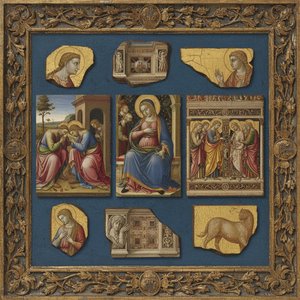
Proto-Renaissance Masters: 10 Artworks That Changed History | OriginalUniqueArt
Journey back to the dawn of Renaissance art! Explore 10 iconic Proto-Renaissance masterpieces by Giotto, Cimabue & Duccio. Discover their stories, techniques & lasting impact. Find museum-quality reproductions for your home at OriginalUniqueArt.com

25 Masterpieces of the Sistine Chapel: A Journey Through Michelangelo's Divine Art
Step into the divine beauty of the Sistine Chapel. Explore 25 iconic Renaissance masterpieces by Michelangelo and more. From breathtaking frescoes to timeless legends, find inspiration for museum-quality art reproductions. Discover all masterpieces on OriginalUniqueArt.com.

25 Masterpieces of the Sistine Chapel: A Journey Through Michelangelo's Divine Art
Step into the divine beauty of the Sistine Chapel. Explore 25 iconic Renaissance masterpieces by Michelangelo and more. From breathtaking frescoes to timeless legends, find inspiration for museum-quality art reproductions. Discover all masterpieces on OriginalUniqueArt.com.

Simone Martini: Innovation, Spirituality & Courtly Refinement in Sienese Painting
Explore the captivating world of Simone Martini, a pivotal figure in Sienese painting & the International Gothic style. Discover his innovative techniques, spiritual depth, and lasting influence on early Renaissance art.


