
 实景预览
实景预览
 分享
分享 分享
分享
 详情
详情 指南
指南

 下载作品
下载作品
 相似作品
相似作品 X射线
X射线 幻灯片播放
幻灯片播放 Q&A
Q&A 统计数据
统计数据River Bank

- 27.0 x 46.0 cm


 展开全文
展开全文
艺术微喷/版画
博物馆级艺术微喷或帆布版画,制作高效,并提供多种饰面选择。 ( 订购纯手工绘制画作 切换至数字图像销售渠道)




P118B ¥10

P118H ¥10

P118W ¥10

P438Z ¥10

P508JH ¥12

P508YH ¥12

P805H ¥10

P805Z ¥10

P919BZ ¥10

P919G ¥10

P919XJ ¥10

P959ZH ¥10

P968JZ ¥12

W106C ¥8

W218G ¥10

W218JH ¥8

W218Y ¥10

W307PJ ¥10

W316G ¥10

W316PJ ¥8

W316Y ¥10

W398PJ ¥8

W4111J ¥10

W500HY ¥15

W500JH ¥15

W692G ¥12

W849H ¥8

W940BG ¥15

W953PJ ¥8




您可以从与原作比例一致的预设尺寸中进行选择。

请输入您所需的宽度和高度,以适配您的画框或墙面。由于印刷品只能进行裁剪,无法超出原图尺寸,因此若比例不一致,画面的一部分将会被裁切。在正式印刷之前,我们会为您发送一份数字效果图供您确认。本页面显示的图片并非最终裁剪后的效果——只有效果图才能展示真实的裁剪情况。


 玻璃选项仅适用于110厘米以下的尺寸。

River Bank
艺术微喷/版画
复刻品尺寸
-


最终结算价
¥ 537
A Moment Frozen in Time: The Serenity of Daubigny’s River Bank
Charles François Daubigny's "River Bank," painted in 1866, isn’t merely a landscape; it’s an invitation to stillness. This captivating work, currently residing within the esteemed Hermitage Museum in St. Petersburg, Russia, embodies the heart of French Impressionism – not through bold, jarring colors, but through a masterful manipulation of light and atmosphere. Daubigny, a pivotal figure in the Barbizon School, sought to capture the fleeting essence of nature, moving beyond academic precision towards a more immediate, sensory experience. He achieved this by eschewing sharp outlines and detailed rendering, instead favoring loose brushstrokes that dance across the canvas, creating an illusion of movement and depth.
The scene unfolds along a gently curving riverbank, dominated by a broad expanse of water reflecting the overcast sky above. The composition is remarkably balanced, drawing the eye into the distance where trees stand as silent sentinels in the background. Notice how Daubigny subtly employs color – muted greens and blues dominate, punctuated by the warm ochres of the distant shoreline – to evoke a sense of tranquility and contemplation. It’s a scene that whispers of peaceful solitude, inviting the viewer to momentarily escape the bustle of everyday life.
Decoding Impressionism: Technique and Artistic Intent
Daubigny's technique is exquisitely refined, showcasing his deep understanding of light and color. He utilized oil paints on panel, a medium that allowed for layering and blending, creating a rich texture and depth. The brushstrokes are deliberately visible, not concealed or blended into an illusionistic surface. This “broken” style, characteristic of Impressionism, allows the viewer’s eye to mix the colors optically, resulting in a vibrant and luminous effect. The artist's focus wasn’t on replicating reality with photographic accuracy but rather conveying his *perception* of it – the way light interacts with surfaces, the subtle shifts in color as the atmosphere changes.
Furthermore, Daubigny was an innovator in printmaking, particularly with the “cliché verre” technique. This process involved using a transparent sheet of glass to create a negative image on a printing plate, allowing for incredibly detailed and nuanced reproductions. While "River Bank" is a painting, this experimentation with transparency and layering subtly informs his approach to color and texture, contributing to the work’s overall atmospheric quality.
Symbolism and Emotional Resonance
Beyond its technical brilliance, “River Bank” resonates deeply on an emotional level. The scene evokes feelings of serenity, nostalgia, and a connection to the natural world. The two figures enjoying the riverbank – often interpreted as Daubigny himself and his wife – suggest a shared appreciation for beauty and simplicity. They are not imposing themselves upon the landscape but rather becoming part of it, blending seamlessly into the tranquil setting.
The overcast sky adds to the painting’s contemplative mood, suggesting a sense of quiet introspection. The river itself acts as a mirror, reflecting the clouds and creating an illusion of infinite space. It's a scene that invites us to pause, breathe deeply, and appreciate the subtle wonders of nature – a timeless reminder of the restorative power of the outdoors.
Bringing Daubigny’s Vision Home: High-Quality Reproductions
At OriginalUniqueArt.com, we are proud to offer meticulously crafted, hand-painted reproductions of “River Bank” by Charles François Daubigny. These faithful recreations capture the essence of the original painting – its luminous colors, delicate brushstrokes, and profound emotional resonance – while providing a stunning addition to any home or office. Whether you’re an art enthusiast, a collector, or simply seeking a piece that evokes tranquility and beauty, our Daubigny reproduction is a perfect choice.
常见问题与解答
原件 夏尔·弗朗索瓦·多比尼 的《River Bank》 的尺寸是多少?
"River Bank" 原作尺寸为 27 x 46 cm。在选择复制品尺寸时,参考原作尺寸会非常有帮助。
夏尔·弗朗索瓦·多比尼 的《River Bank》 创作于哪一年?
"River Bank"创作于1866年。这一时期将该作品置于夏尔·弗朗索瓦·多比尼的艺术生涯及其所处时代之中。
夏尔·弗朗索瓦·多比尼 的《River Bank》 描绘了什么内容?
夏尔·弗朗索瓦·多比尼 的《River Bank》 中呈现的主题包括 river landscape, serene scene, cloudy skies, nature painting, french art, outdoor setting, peaceful view,这些主题共同构成了该艺术作品的主旨。
艺术家简介
查尔斯-弗朗索瓦·杜比尼:大气印象派的先驱
查尔斯-弗朗索瓦·杜比尼,1817年出生于巴黎,出身于一个艺术世家——他的父亲埃德梅·弗朗索瓦·杜比尼和叔父皮埃尔·杜比尼都是画家,为他早期的训练奠定了基础。然而,年轻的查尔斯很快便寻求开辟自己的道路,超越学院派的束缚,转向对自然世界的更直接参与。他最初在保罗·德拉罗什的指导下学习绘画技巧,但真正点燃他艺术 vision 的是1836年与艺术家亨利·米尼昂独立前往意大利的旅程。这次经历在他心中灌输了对风景的深刻 appreciation ,并渴望捕捉其本质,而不仅仅是理想化的景色,而是作为一个鲜活、呼吸的实体。回到巴黎后,杜比尼在商业工作(例如为书籍和装饰画作插图)与他对 plein air 绘画日益增长的热情之间取得平衡,这种实践将定义他的职业生涯。他参与了 Rue des Amandiers-Popincourt 的艺术社群,促进合作以及对新艺术方法的共同探索。巴比松画派与拥抱自然
杜比尼的艺术轨迹在1843年定居于巴比松发生了一个关键转折点,这是一个坐落在枫丹白露森林中的小村庄。这标志着他正式加入巴比松画派,该画派拒绝了学院派绘画抛光的人工痕迹,转而采用直接观察和诚实地描绘乡村生活和风景。与早期的风景画家经常在户外写生并在工作室完成作品不同,巴比松艺术家——包括西奥多·卢梭、让-弗朗索瓦·米勒和卡米尔·科罗——将 *en plein air* 绘画作为一项基本原则。杜比尼与科罗的友谊证明了特别有影响力;他们一起探索枫丹白露森林,捕捉光线和氛围的微妙变化。正是在这段时期,杜比尼构思了他的创新“Botin”,一艘改装成工作室的船只,他用它来航行法国的河流——尤其是塞纳河和乌瓦兹河,使他能够无与伦比地接触到不同的风景,并培养与自然的亲密联系。这个移动工作室成为了他艺术实践的代名词,象征着他对直接从生活中绘画的承诺。现实主义与印象派之间的桥梁
杜比尼的作品在19世纪艺术史上占据着独特的地位,是巴比松画派的现实主义和新兴印象派运动之间至关重要的纽带。虽然扎根于巴比松传统中对自然进行忠实和真诚地描绘,但他的绘画越来越强调大气效果、转瞬即逝的光线时刻和主观感知——这些品质预示了莫奈、雷诺阿及其同时代艺术家的创新。他尝试了 *cliché verre* 等技术,该过程结合了摄影和版画,展示了他对新技术和艺术可能性的开放态度。他的风景画的特点是宽阔、流畅的笔触、柔和的调色板以及专注于捕捉光线和天气的短暂品质。诸如“收获”(1857年)和“吉利欧池塘”(1864年)之类的绘画例证了他唤起一种氛围感的能力,将观众带入法国乡村的心脏地带。他不仅仅是在记录他所看到的东西;他正在传达身处那一刻的 *感觉* 。遗产与持久影响
查尔斯-弗朗索瓦·杜比尼于1878年去世于巴黎,留下了一笔丰富的艺术遗产,至今仍在产生共鸣。他的影响力超出了他直接的学生范围——包括他的儿子卡尔、阿希尔·乌迪诺和伊波利特·卡米尔·德尔皮——激励了代代风景画家。他在促进巴比松画派与新兴印象派运动之间的联系方面发挥了重要作用,向克劳德·莫奈和保罗·塞尚介绍了新的观察和绘画方式。他对 *plein air* 绘画的承诺、对大气效果的探索以及他拥抱创新的意愿为定义19世纪后期的激进艺术变革铺平了道路。杜比尼的画作现在被世界各大博物馆收藏,包括巴黎奥赛博物馆和辛辛那提艺术博物馆,证明了他对艺术史做出的持久贡献。他仍然是一位关键人物——一位大气现实主义大师,预示着印象派的到来,并帮助塑造了现代绘画的发展历程。代表作品
- 收获 (1857): 杜比尼捕捉乡村生活和氛围能力的典范之作,现藏于奥赛博物馆。
- 吉利欧池塘 (1864): 展示了他对风景绘画和大气透视的掌握,目前在辛辛那提艺术博物馆。
- 月光 (1865): 展示了杜比尼以微妙的光效描绘夜间场景的技巧。
- 奥维尔河畔 (1868): 对法国乡村迷人的描绘,反映了他与该地区的深厚联系。
- 海景 (1876): 一幅印象派风格的海浪和海岸美景画作。

夏尔·弗朗索瓦·多比尼
1817 - 1878 , 法国
艺术家简介
- Artistic Movement Or Style: 巴比松画派,印象主义先驱
- Artists Or Movements Influenced By This Artist:
- 印象主义
- 克劳德·莫奈
- 保罗·塞尚
- Artists Who Influenced This Artist:
- 卡米耶·柯罗
- 古斯塔夫·库尔贝
- Date Of Birth: 1817年2月15日
- Date Of Death: 1878年2月19日
- Full Name: 查尔斯-弗朗索瓦·杜比尼
- Nationality: 法国国籍
- Notable Artworks (List Of Titles):
- 收获(1857)
- 吉利欧池塘(1864)
- 月光(1865)
- Place Of Birth (City And Country): 法国巴黎
相关文章

印象派风景画的十部巨作:定义艺术与家的和谐之境
探索印象派风景画的十部经典巨作!从莫奈到雷诺阿,揭秘大师们的技法与灵感。OriginalUniqueArt.com为您呈现高清油画复制和精选艺术品,点亮您的家居空间。立即发现更多艺术珍宝!

Impressionistic Landscapes: 10 Masterpieces That Changed Art & Decor
Journey into the heart of Impressionism! Explore 10 masterpieces by Monet, Renoir & Degas that revolutionized landscape art. Discover their stories, techniques & find museum-quality reproductions to elevate your home decor on OriginalUniqueArt.com.
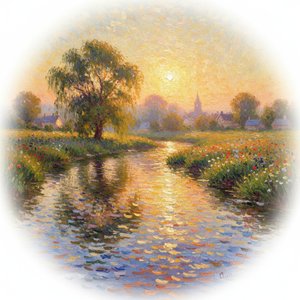
Capturing Light: A Masterclass in the Ethereal Beauty of Impressionistic Landscapes
Explore the ethereal beauty of Impressionist landscapes. Discover how masters like Monet captured fleeting light through color and texture, and learn to curate these timeless, luminous masterpieces for your home collection.
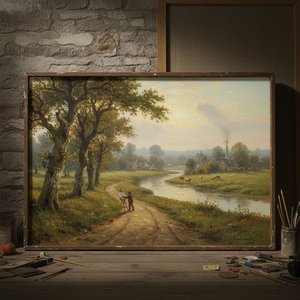
Charles-François Daubigny: Pioneering Atmospheric Light & Barbizon Realism
Explore the life & art of Charles-François Daubigny, a pivotal Barbizon School painter. Discover his innovative landscapes, mastery of light, and influence on Impressionism. High-quality reproductions available.

Evocations of Place: A Historical Journey Through Landscape Art
Explore the rich history of landscape art with OriginalUniqueArt. Discover renowned artists, movements like Impressionism & Romanticism, and expert guidance for collecting timeless pieces. Find your perfect serene escape today!

