实景预览
实景预览
 发送
发送 分享
分享
 详情
详情 指南
指南

 下载图片
下载图片
 相似作品
相似作品 X射线
X射线 幻灯片播放
幻灯片播放 统计数据
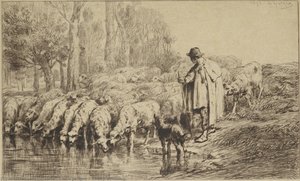
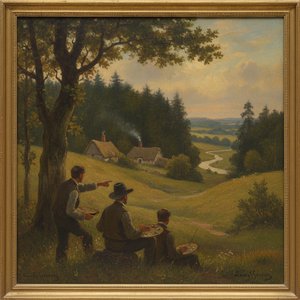
统计数据The Sheepfold
 Barbizon School
 1857
1857 46.0 x 92.0 cm
 阅读全文
阅读全文
艺术微喷/版画
博物馆级艺术微喷或帆布版画,制作高效,并提供多种饰面选择。 ( 订购此收藏品的纯手工复刻画作 切换至数字图像销售渠道)




































您可以从与原作比例一致的预设尺寸中进行选择。

请输入您所需的宽度和高度,以适配您的画框或墙面。由于印刷品只能进行裁剪,无法超出原图尺寸,因此若比例不一致,画面的一部分将会被裁切。在正式印刷之前,我们会为您发送一份数字效果图供您确认。本页面显示的图片并非最终裁剪后的效果——只有效果图才能展示真实的裁剪情况。


 玻璃选项仅适用于110厘米以下的尺寸。

The Sheepfold
艺术微喷/版画
复刻品尺寸说明
-


总计金额
¥ 538
问答详情
查尔斯-埃米尔·雅克 的《The Sheepfold》 的色彩是鲜艳夺目还是柔和低调?
查尔斯-埃米尔·雅克 的《The Sheepfold》 的色彩饱和度记录为 Subtle Color。
查尔斯-埃米尔·雅克 的《The Sheepfold》 的色彩基调是什么?
查尔斯-埃米尔·雅克 的《The Sheepfold》 的色彩特征:Earthy 色调,以 Espresso (#583b1c) 为主导。
"The Sheepfold" 的色彩之间是如何相互关联的?
"The Sheepfold" 的色彩和谐度记录为 Unified Palette。
艺术家简介
扎根于法国乡间的生命历程
1813年出生于巴黎的查尔斯-埃米尔·雅克(Charles-Émile Jacque),其艺术之路并非始于传统的轨迹。他的早年生活曾因在法国军队服役七年而经历了一场意想不到的转折。然而,即便是在纪律严明的军事生活中,他天生的才华也找到了表达的出口——最初并非通过绘画,而是通过精细的地图雕刻技艺。这种对精准度与观察力有着极高要求的磨练,后来竟成为了他艺术创作中至关重要的基石,赋予了他作品中那标志性的、对细节近乎执着的追求。对于一位日后将成为法国乡村田园美学代名词的画家来说,这样的开端虽显不寻常,却深刻地体现了雅克极强的适应力与内在的艺术天赋。退伍之后,他曾短暂从事插画与漫画创作,为巴黎的各类期刊撰稿,直到最终在蚀刻版画与绘画领域找到了自己真正的灵魂归宿。拥抱巴比松与田园愿景
19世纪中叶,雅克被巴比松(Barbizon)所吸引,这个小村庄随后成为了一场革命性艺术运动的中心。为了躲避当时肆虐巴黎的霍乱疫情,他加入了让-弗朗索瓦·米勒(Jean-François Millet)以及其他志同道合的艺术家行列,开始直接从自然中汲取灵感。这一转变标志着艺术创作从学院派传统向更加诚实、写实的生命描绘迈出了决定性的一步。雅克全身心地投入到这种全新的创作方式中,致力于捕捉乡村生活的本质——牧羊人照看羊群时那份宁静的尊严、农耕劳作中轻柔的律动,以及阳光斑驳的田野间牲畜所展现出的纯朴之美。他的画作不仅仅是对场景的描摹,更渗透着一种深邃的宁静与和谐感,反映出他对自然世界由衷的赞美。他并非仅仅在“描绘”羊群或谷仓,而是在传递一种情感,一种氛围——一种对田园生活的敬畏之情,这种情感在观众心中激起了强烈的共鸣。媒介的大师:绘画与版画
雅克的艺术造诣远不止于画布之上。他作为蚀刻大师与雕刻家的名声享誉四方,通过复兴17世纪的技艺,极大地拓展了版画艺术的边界。他的蚀刻作品因其大胆的构图与构思精巧的主题而备受赞誉,甚至赢得了查尔斯·波德莱尔(Charles Baudelaire)等评论家的盛赞。艺术史学家亨利·贝拉尔迪(Henri Béraldi)将雅克的图形作品划分为两个截然不同的时期:早期阶段深受荷兰小品画启发,充满了自发性的灵动;后期阶段则以更宏大、更细腻的版材为特征,展现了极其精湛的工艺水平。这种对画笔与雕刻刀的双重掌控,使他能够触及更广泛的受众,并巩固了他在艺术界举足轻重的地位。在他眼中,绘画与版画并非彼此独立的学科,而是表达其艺术愿景互补的途径。此外,他为文学经典创作的插图,包括戈尔斯威(Goldsmith)的《威克菲德牧师》和华兹华斯(Wordsworth)的《如画的希腊》,进一步彰显了他多才多艺的艺术功底。传承与深远影响
查尔斯-埃米尔·雅克于1894年逝世,但他留下的丰厚艺术遗产至今仍令观众着迷。他在塑造法国艺术中写实主义的发展过程中发挥了至关重要的作用,为后世那些追求诚实与感性描绘生命的艺术家们开辟了道路。他对乡村生活的专注,将风俗画——即对日常生活的描绘——提升到了艺术版图中显赫的地位。- 蚀刻复兴的先驱:雅克对17世纪蚀刻技艺的复兴,对版画艺术的发展产生了深远影响。
- 对米勒的影响:他的早期作品与蚀刻版画深刻地影响了他的好友及巴比松画派同仁让-弗朗索瓦·米勒。
- 乡村生活的捍卫者:他将法国乡村生活的尊严与美感永恒化,为一种正在消逝的生活方式留下了持久的视觉记录。

查尔斯-埃米尔·雅克
1813 - 1894 , 法国
快速概览
- Artistic Movement Or Style: 巴比松画派
- Artists Or Movements Influenced By This Artist: ['现实主义']
- Artists Who Influenced This Artist: ['阿德里安·范·奥斯塔德']
- Date Of Birth: 1813年
- Date Of Death: 1894年
- Full Name: 查尔斯-埃米尔·雅克
- Nationality: 法国
- Notable Artworks:
- 蓝色小男孩
- 羊圈
- 牧羊女
- Place Of Birth: 法国巴黎
相关文章
The Barbizon School: A Professional Guide to Naturalism and Landscape Mastery for Interior Designers
Explore the Barbizon School's mastery of naturalism. An expert guide for hotel designers and procurement managers on sourcing high-quality landscape reproductions to elevate hospitality and corporate interiors with authentic, large-scale fine art solutions.
十九世纪法国巴比松画派:现实主义与田园牧歌的开创者
深入了解十九世纪法国巴比松画派:探索其对现实主义和风景油画的开创性贡献,主要画家作品赏析、艺术风格解析及收藏鉴赏指南。OriginalUniqueArt提供高质量的手绘复制品与专业艺术咨询。

海牙画派:写实主义、氛围与荷兰印象派曙光
探索海牙画派的魅力!OriginalUniqueArt 提供高品质手绘油画复制品及定制服务,深入解析安东·莫夫等大师作品。专业艺术顾问团队助您甄选投资级艺术珍品,打造专属艺术空间。
Charles-François Daubigny: Pioneering Atmospheric Light & Barbizon Realism
Explore the life & art of Charles-François Daubigny, a pivotal Barbizon School painter. Discover his innovative landscapes, mastery of light, and influence on Impressionism. High-quality reproductions available.
The Barbizon School: The Soulful Origins of Impressionism's Natural Light and Atmospheric Mastery
Discover the profound influence of the Barbizon School on Impressionism. Explore how these masters captured natural light and atmospheric beauty through plein air painting, paving the way for Monet and Renoir. A journey into the soulful origins of landscape art history.