

 效果预览
效果预览
 分享
分享 分享
分享
 详情
详情

 下载
下载
 相似作品
相似作品 X射线
X射线 幻灯片播放
幻灯片播放 统计数据
统计数据Vault decoration


 展开详情
展开详情
艺术微喷/版画
博物馆级艺术微喷或帆布版画,制作高效,并提供多种饰面选择。 ( 购买手绘画作 切换至数字图像销售渠道)




P118B $10

P118H $10

P118W $10

P438Z $10

P508JH $12

P508YH $12

P805H $10

P805Z $10

P919BZ $10

P919G $10

P919XJ $10

P959ZH $10

P968JZ $12

W106C $8

W218G $10

W218JH $8

W218Y $10

W307PJ $10

W316G $10

W316PJ $8

W316Y $10

W398PJ $8

W4111J $10

W500HY $15

W500JH $15

W692G $12

W849H $8

W940BG $15

W953PJ $8




从与原作比例一致的预设尺寸中进行选择。

您可以输入自定义尺寸,以适配特定的画框或空间。如果您选择的尺寸与原图比例不符,我们将对作品进行裁剪,或通过镜像填充/纯色填充边缘的方式来扩展图像。在开始制作之前,我们会向您发送一份数字效果图供您确认。
请注意,屏幕上的预览并不能反映实际的裁剪或扩展效果。只有效果图才能准确展示最终的构图。
虽然我们提供定制尺寸,但为了保持原图比例,我们建议您从预设列表中选择尺寸。


 玻璃选项仅适用于110厘米以下的尺寸。

Vault decoration
艺术微喷/版画
复制品尺寸
-


最终总价
$ 80
A Celestial Tapestry: Unveiling Coypel’s Vault Decoration at Versailles
The Chapel of the Château at Versailles stands as a testament to the opulent ambitions and artistic prowess of Louis XIV, and within its walls resides one of the most breathtaking achievements of the Baroque era: Charles-Antoine Coypel's vault decoration, completed in 1709. More than just a ceiling painting, it’s an immersive experience—a carefully orchestrated illusion designed to transport viewers into a realm of divine splendor and royal authority. This monumental fresco isn’t merely decorative; it’s a profound statement about the power of art to shape perception and embody the ideals of the French monarchy.
The Architectonic Dream: A Roman Baroque Revival
Coypel, deeply influenced by the grandeur of Rome, deliberately rejected the prevailing classical restraint of his time. He embraced a style reminiscent of Andrea Pozzo’s ceiling in Sant'Ignazio in Rome – a technique known as *quadrature*, or ‘four-square’. This involved creating an illusion of depth and perspective through carefully positioned architectural elements, mimicking the effect of looking up at a real vault. The fresco isn’t simply painted; it appears to be built into the space itself, with meticulously rendered columns, pilasters, and arches that recede into the distance, drawing the eye upwards towards the central focal point.
- The Central Scene: At the heart of the vault lies a dramatic depiction of God the Father enthroned in glory. Surrounded by radiant angels and celestial figures, he embodies divine power and benevolence.
- Allegorical Figures: Flanking the central figure are allegorical representations of virtues – Justice, Prudence, Fortitude, and Temperance – each rendered with a dignified and serene expression. These figures serve as moral guides for the viewer, reinforcing the themes of piety and righteousness.
- Theatrical Depth: Coypel masterfully employs *trompe-l'oeil* techniques to create an astonishing sense of depth. The use of light and shadow, combined with carefully calibrated perspective, makes it appear as if one is gazing upon a real, three-dimensional vault.
Technique and Materials: A Masterclass in Illusionism
Coypel’s skill lies not only in his compositional vision but also in his technical execution. He employed a complex layering of pigments, utilizing thin glazes to build up the illusion of volume and texture. The use of gold leaf adds an undeniable sense of luxury and reinforces the celestial theme. Crucially, Coypel understood that the success of this ambitious project hinged on meticulous preparation – he spent years studying the architecture of the chapel and creating detailed preparatory drawings before embarking on the fresco itself. The entire surface was prepared with a layer of gesso to create a smooth, reflective base for the paint.
Symbolism and Royal Propaganda
Beyond its aesthetic beauty, Coypel’s vault decoration served as potent propaganda for the French monarchy. By associating Louis XIV with divine authority through this spectacular visual spectacle, Coypel reinforced the king's image as a god-like figure—the “Sun King”—and legitimized his rule. The carefully chosen allegorical figures and the overall composition conveyed messages of piety, justice, and prosperity, aligning the monarchy with traditional values and reinforcing its claim to divine favor. The fresco’s enduring appeal lies in its ability to simultaneously delight and instruct, offering a glimpse into the artistic and ideological world of 18th-century France.
艺术家简介
查尔斯·安托万·科伊佩尔的传奇:跨越时代的桥梁
在法国艺术史的宏伟画卷中,很少有人能像查尔斯·安托万·科伊佩尔那样,如此优雅地体现从巴洛克式的沉重壮丽向洛可可式轻盈典雅过渡的微妙转折。1694年出生于巴黎,科伊佩尔出身于一个艺术名门望族,注定不凡。作为著名画家安托万·科伊佩尔之子、诺埃尔·科伊佩尔之孙,他的生命从一开始就浸润在皇家学院的传统之中。这份家族传承赋予他的不仅仅是一个显赫的名字,更是一场与时代大师近距离接触的深度学徒生涯,使他能够继承对古典构图的深刻理解,以及驾驭法国宫廷所必需的戏剧化表现力。
在尼古拉·弗雷米埃指导下的早期训练,为科伊佩尔提供了极其全面的技术储备,从精细的蚀刻版画到流畅的油画技法,无所不精。这种多才多艺成为了他艺术生涯的基石,使他能够在18世纪初不断变幻的美学浪潮中游刃有余。尽管他的艺术根基深植于晚期巴洛克那种宏大且富有戏剧性的风格,但他对新兴的洛可可精神拥有一种独特的敏锐感。他开始在作品中注入一种全新的轻盈感,运用细腻的粉彩色调、不对称的布局以及一种装饰性的魅力,这种美学特征在随后的数十年里定义了法国艺术的审美标准。
叙事大师与皇家委任的巅峰
科伊佩尔职业生涯的巅峰,标志于他被授予国王首席画家这一显赫头衔。在为路易十四及其继任者服务的岁月里,他成为了法国王室主要的视觉叙事者。他的才华远不止于画布本身;他更是一位富有远见的规划师,深谙艺术如何赋予建筑空间以生命。他在凡尔赛宫礼拜堂的贡献堪称惊世之作,其壁画作品——例如对荣耀中的天父的描绘——巧妙地运用了大师级的错视画(trompe-l'oeil)技法,创造出一种仿佛能让天花板消融于苍穹之中的神圣透视感。
除了皇家礼拜堂的墙壁,科伊佩尔的影响力还通过与戈伯兰挂毯厂(Gobelins Manufactory)的广泛合作渗透到了装饰艺术领域。他拥有一种罕见的能力,能将史诗般的叙事转化为宏伟的挂毯设计。他受荷马史诗《伊利亚特》与《奥德赛》启发创作的系列作品,展现了对色彩与动态的卓越掌控力,将交织的丝线化作光影交错的史诗长诗。或许他最大胆且具革命性的尝试,是为塞万提斯的《唐吉诃德》创作的插图系列。在这一项目中,科伊佩尔摆脱了僵化的形式感,转而采用一种更具动态、以人物驱动的叙事方式,有效地架起了古典插画与现代叙事艺术之间的桥梁。
艺术意义与持久的影响力
查尔斯·安托万·科伊佩尔的历史意义在于他扮演了艺术中介者的角色。他不仅仅是时代的见证者,更是时代的塑造者。通过将巴洛克的结构完整性与戏剧重量感,与洛可可式的诙谐、轻盈与优雅完美融合,他提供了一种风格上的连续性,使法国艺术在演进的过程中并未丧失其原有的庄严感。他的肖像画,如充满感染力的《德谟克利特》,至今仍以其在王室尊严与细腻心理深度之间取得的平衡,令观众为之倾倒。
尽管他的生命在1752年戛然而止,但其作品的影响力已深深铭刻在欧洲绘画史上。他的艺术遗产体现在:
- 法国肖像画的演变:推动了人物表现从僵化的形式主义向更具表现力和情感张力的转变。
- 挂毯与装饰设计:通过戈伯兰系列的委任创作,将大规模纺织艺术提升到了高级叙事艺术的高度。
- 风格的融合:成功地将17世纪的宏大尺度与18世纪细腻的装饰审美进行了有机统一。
时至今日,科伊佩尔的作品依然是一扇通往人类创造力变革时期的窗口,提醒着我们:在那个时代,艺术曾被用来连接国王们的尘世辉煌与人类灵魂对神性的向往。

查尔斯·安托万·科伊佩尔
1694 - 1752 , 法国
艺术家简介
- Artistic Movement Or Style: 巴洛克洛可可风格
- Artists Who Influenced This Artist:
- Antoine Coypel
- Noël Coypel
- Date Of Birth: 1694年 法国巴黎
- Date Of Death: 1752年
- Full Name: Charles Antoine Coypel
- Nationality: 法国
- Notable Artworks:
- 堂吉诃德系列
- 菲利普·科伊佩尔肖像
- 菲利普·科伊佩尔与其妻子的画像
- Place Of Birth: 法国巴黎
相关文章

The Enduring Legacy of Fresco: Technique, History & Artistic Expression Across Cultures
Explore the rich history & enduring legacy of fresco painting! Discover ancient techniques, Giotto's masterpieces, and modern applications. Expert insights for art lovers & professionals.
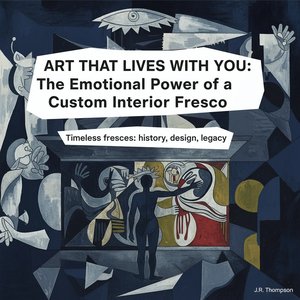
情感共鸣:定制室内壁画的力量与艺术史维度 (Qínggǎn gòngmíng: Dìngzhì nèishì bìhuà de lìliàng yǔ yìshǐ wéidù)
探索定制室内壁画的力量,从文艺复兴艺术史到现代空间设计。OriginalUniqueArt提供专业艺术家手绘、个性化定制服务,打造独一无二的艺术品,提升家居品味与文化价值。
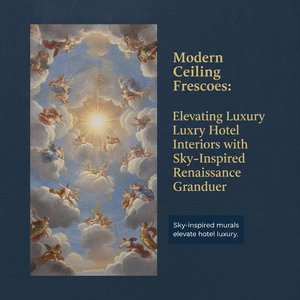
穹顶之上,复兴新生:现代空间中的经典壁画再构与艺术意境
探索穹顶画的艺术魅力与现代空间设计中的创新应用。从文艺复兴经典到定制壁画服务,OriginalUniqueArt为您提供专业的艺术咨询、高品质再现和个性化解决方案,提升酒店空间的艺术氛围。
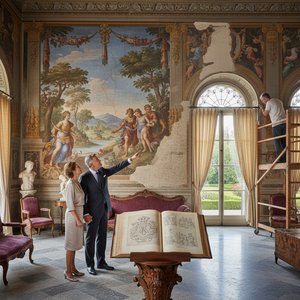
The Fresco as Family Legacy: Preserving Heritage Through Wall Art
Explore the rich history & enduring legacy of fresco painting. Discover how to preserve family heritage through stunning wall art. Expert insights & restoration guidance.
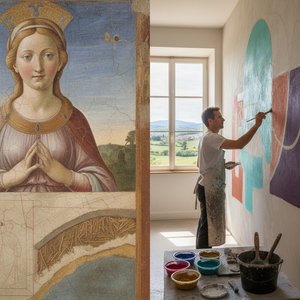
The Enduring Legacy of Fresco Painting: Techniques, History & Contemporary Relevance
Explore the rich history & enduring artistry of fresco painting – from Giotto to Michelangelo! Discover techniques, conservation efforts, & modern applications. Learn how OriginalUniqueArt brings this timeless art form to your home.