

 实景预览
实景预览
 发送
发送 分享
分享
 详情
详情 指南
指南

 下载图片
下载图片
 相似作品
相似作品 X射线
X射线 幻灯片播放
幻灯片播放 统计数据
统计数据Aeneas Carrying Anchises
 Oil On Canvas
- WallArt
- Rococo
 1729
1729 110.0 x 105.0 cm
 卢浮宫
卢浮宫
 阅读全文
阅读全文
艺术微喷/版画
博物馆级艺术微喷或帆布版画,制作高效,并提供多种饰面选择。 ( 订购此收藏品的纯手工复刻画作 切换至数字图像销售渠道)




P118B ¥10

P118H ¥10

P118W ¥10

P438Z ¥10

P508JH ¥12

P508YH ¥12

P805H ¥10

P805Z ¥10

P919BZ ¥10

P919G ¥10

P919XJ ¥10

P959ZH ¥10

P968JZ ¥12

W106C ¥8

W218G ¥10

W218JH ¥8

W218Y ¥10

W307PJ ¥10

W316G ¥10

W316PJ ¥8

W316Y ¥10

W398PJ ¥8

W4111J ¥10

W500HY ¥15

W500JH ¥15

W692G ¥12

W849H ¥8

W940BG ¥15

W953PJ ¥8




您可以从与原作比例一致的预设尺寸中进行选择。

请输入您所需的宽度和高度,以适配您的画框或墙面。由于印刷品只能进行裁剪,无法超出原图尺寸,因此若比例不一致,画面的一部分将会被裁切。在正式印刷之前,我们会为您发送一份数字效果图供您确认。本页面显示的图片并非最终裁剪后的效果——只有效果图才能展示真实的裁剪情况。


 玻璃选项仅适用于110厘米以下的尺寸。

Aeneas Carrying Anchises
艺术微喷/版画
复刻品尺寸说明
-


总计金额
¥ 537
Aeneas Carrying Anchises: A Testament to Roman Heroism and Rococo Elegance
Charles-André van Loo’s “Aeneas Carrying Anchises,” painted in 1729, is more than just a depiction of a pivotal moment from Virgil's *Aeneid*; it’s a masterful distillation of the Rococo style, imbued with a profound sense of drama and classical gravitas. This artwork, now meticulously reproduced on hand-painted canvas by OriginalUniqueArt, offers a captivating glimpse into 18th-century French artistic sensibilities – a world where mythological narratives intertwined seamlessly with aristocratic life and an exquisite attention to detail reigned supreme.
The scene unfolds within a classically inspired architectural setting, reminiscent of the Temple of Venus or perhaps even the Parthenon, lending an air of timeless grandeur. Van Loo skillfully employs atmospheric perspective – the subtle blurring of details in the background – to draw the viewer’s eye towards the central figures: Aeneas, the Trojan hero, and his aged father, Anchises. The composition is carefully balanced, utilizing a pyramidal structure that reinforces the importance of these two patriarchs. Note the deliberate use of light; it illuminates Aeneas's determined face and the weight of responsibility he carries, while casting a softer glow upon Anchises, suggesting both vulnerability and profound wisdom.
The Rococo Palette: Color, Texture, and Ornamentation
As a leading figure in the Rococo movement, Van Loo’s signature style is immediately recognizable. The painting bursts with rich, layered colors – deep reds, blues, and golds dominate the palette, creating an opulent and luxurious atmosphere. The artist's meticulous brushwork reveals a remarkable attention to texture; from the folds of Aeneas’s cloak to the weathered skin of Anchises, every surface is rendered with incredible realism. Observe how he uses shimmering highlights to capture the light reflecting off polished marble columns and the fabric of their garments – a hallmark of Rococo technique.
The decorative elements are equally noteworthy. The architectural details, while rooted in classical forms, are embellished with intricate moldings, garlands, and subtle flourishes characteristic of the era. Van Loo’s mastery extends to portraying the human form; Aeneas and Anchises are depicted with a graceful elegance that reflects the ideals of beauty prevalent during the Rococo period. The inclusion of other figures in the background – soldiers, attendants, and perhaps even a veiled woman – adds depth and narrative complexity to the scene, hinting at the broader context of the Trojan War and its aftermath.
Symbolism and Narrative Resonance
Beyond its aesthetic beauty, “Aeneas Carrying Anchises” is rich in symbolic meaning. The act of Aeneas carrying his father represents not only filial devotion but also the burden of leadership and the transmission of legacy. Anchises, a descendant of Aeneas and the rightful heir to Troy, embodies the continuity of Roman civilization. The setting itself – a temple or monumental structure – elevates the scene to a realm of mythic importance, suggesting that Aeneas’s journey is not merely a personal quest but a destiny ordained by the gods.
Furthermore, the presence of the woman in the background has been interpreted as representing Fides (Faith) or perhaps even Venus herself, subtly reinforcing the themes of duty, honor, and divine guidance. The painting's overall mood is one of solemn determination tempered with a poignant sense of loss – a reminder of the sacrifices required to fulfill a noble purpose. OriginalUniqueArt’s faithful reproduction captures this nuanced emotional depth, allowing viewers to fully appreciate the artistry and storytelling embedded within Van Loo’s masterpiece.
Bringing “Aeneas Carrying Anchises” Home
Whether you're an art enthusiast, a collector seeking to enrich your collection, or simply someone looking for a stunning addition to your interior décor, OriginalUniqueArt’s hand-painted reproduction of “Aeneas Carrying Anchises” offers the perfect opportunity to own a piece of 18th-century artistic history. The meticulous detail and vibrant colors faithfully recreate Van Loo's original vision, while the canvas medium provides a timeless quality that will endure for generations to come. Explore our selection of sizes and framing options to find the ideal representation for your space – and experience the enduring power of this iconic artwork.
问答详情
在哪里可以找到与 夏尔-安德烈·范卢 的《Aeneas Carrying Anchises》 风格相似的艺术品?
夏尔-安德烈·范卢 的《Aeneas Carrying Anchises》 的 相似作品 页面展示了相关艺术作品。
“Aeneas Carrying Anchises”是如何融入 夏尔-安德烈·范卢 的主题与风格之中的?
"Aeneas Carrying Anchises" 属于 夏尔-安德烈·范卢 的 Rococo 时期作品,其记录的主题包括 italian baroque influence, mythological, roman themes, courtly patronage, luxury, dynasty’s artistic legacy, classical narrative depiction。
《Aeneas Carrying Anchises》这一Rococo风格的作品传达了怎样的情感基调?
"Aeneas Carrying Anchises" 在 Rococo 运动中蕴含着 Melancholic 的情感基调。
艺术家简介
早年生活与学业
- 出生: 1705年2月15日,法国尼斯
- 家族背景: 他是路易-亚伯拉罕·范卢(Louis-Abraham van Loo)的儿子,也是让-巴蒂斯特·范卢(Jean-Baptiste van Loo)的弟弟。他出身于一个成功的荷兰画家世家。
- 早期教育: 最初在都灵接受训练,随后于1712年前往罗马,师从贝内德托·卢蒂(Benedetto Luti)和皮埃尔·莱格罗(Pierre Legros)。
- 巴黎学习经历: 他曾进入皇家美术学院(Académie royale),并于1723年获得绘画奖,在1727年获得历史画作奖。
艺术生涯与杰出作品
- 风格: 他主要以洛可可画家而闻名,其作品的特点是优雅、优美和华丽的细节装饰。
- 题材范围: 题材广泛,包括肖像画、神话场景、历史画作、寓言以及日常生活场景等。
- 重要作品:
- 维纳斯与阿莫尔(不莱梅美术馆)- 展示了其对洛可可风格的精湛掌握。
- 狩猎暂停(大都会艺术博物馆)– 捕捉了贵族群体的雅致活动。
- 法国王后玛丽·莱什钦斯卡肖像 – 一幅著名的皇家肖像画作。
- 朱庇特与安蒂奥佩 - 展示了神话主题的描绘能力。
- 自画像 – 提供了艺术家自我审视的深刻洞察。
- 珀尔修斯与仙女木星(多个版本)– 体现了描绘古典神话的功力。
- 克莱龙小姐化身为美狄亚(小版本) - 一幅迷人的1760年洛可可肖像画作。
赞助与皇家认可
- 皇室赞助: 他深受庞帕杜夫人和法国宫廷的青睐与支持。
- 宫廷任命: 1762年,他被任命为路易十五国王的第一画家,这是一个极具声望的职位。
- 圣米歇尔勋章: 他荣获了圣米歇尔勋章,这象征着至高无上的皇家恩宠。
影响与艺术遗产
- 家族影响: 他的父亲和兄弟都是杰出的画家,对他的艺术生涯产生了深远的影响。
- 竞争对手: 他曾与另一位著名的洛可可艺术家弗朗索瓦·布雪(François Boucher)展开过艺术上的较量。
- 现代法国画派: 他作品中那种“风格的简洁和设计的准确性”,极大地影响了后来的现代法国绘画流派。
- 艺术评价: 尽管其批判地位经历过起伏,但他的技艺水平和作品的广博深度始终令人敬佩。
博物馆收藏与进一步探索
- 馆藏展示: 他的作品被收藏于包括卢浮宫(《处女之婚》)、不莱梅美术馆和大都会艺术博物馆等著名博物馆中。
- 更多资源:
- OriginalUniqueArt的查尔斯-安德烈·范卢页面:https://www.OriginalUniqueArt.com/artists/charles-andre-van-loo/
- OriginalUniqueArt的史上最伟大艺术家页面:https://www.OriginalUniqueArt.com/greatest-artists
- OriginalUniqueArt虚拟博物馆:https://www.OriginalUniqueArt.com/
- 维基百科文章:https://en.wikipedia.org/wiki/Charles-Andr%C3%A9_van_Loo
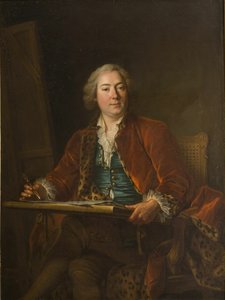
夏尔-安德烈·范卢
1705 - 1765 , 法国
快速概览
- Artistic Movement Or Style: 洛可可绘画
- Artists Or Movements Influenced By This Artist: ['现代法国画派']
- Artists Who Influenced This Artist:
- 贝内德托·卢蒂
- 皮埃尔·勒格罗
- Date Of Birth: 1705年2月15日
- Date Of Death: 1765年7月15日
- Full Name: 夏尔-安德烈·范·卢
- Nationality: 法国
- Notable Artworks:
- 维纳斯与阿莫尔
- 狩猎的暂停
- 玛丽·莱什钦斯卡肖像
- 木星与安蒂奥佩
- 自画像
- 珀尔修斯与仙女
- Place Of Birth: 法国尼斯
相关文章

洛可可艺术史诗:十幅名作定义优雅与华彩
探索洛可可艺术的辉煌!本文精选十幅名作,从华丽色彩到精致细节,揭秘法国洛可可风格的魅力。跟随大师们的足迹,感受艺术史上的优雅与浪漫。OriginalUniqueArt.com为您提供博物馆品质的艺术复制品和个性化家居装饰方案。尽在OriginalUniqueArt.com!

Early Netherlandish Masters: 10 Paintings That Revolutionized Art & Decor
Journey into the Early Netherlandish Renaissance! Explore 10 iconic paintings by Jan van Eyck, Rogier van der Weyden & more. Discover stunning detail, symbolism, and oil painting techniques. Find museum-quality art reproductions for your home at OriginalUniqueArt.com.

Charles-André van Loo: A Study in Rococo Portraiture & the French Court's Artistic Dynamics
Explore the elegant world of Charles-André van Loo, a master of Rococo portraiture at the French court. Discover his life, techniques, and enduring influence on 18th-century art. Hand-painted reproductions available.

Early Netherlandish Masters: 10 Paintings That Revolutionized Art & Decor
Journey into the world of Early Netherlandish painting! Explore 10 masterpieces by Jan van Eyck, Rogier van der Weyden & more. Discover stunning detail, symbolism & Renaissance art for your home decor. Find museum-quality reproductions on OriginalUniqueArt.com

伦勃朗25幅杰作:光影大师的艺术传奇与家居臻选
探索伦勃朗25幅杰作,领略荷兰黄金时代光影大师的艺术传奇!从《夜巡》到自画像,深入了解巴洛克艺术、历史绘画与人物肖像背后的故事。OriginalUniqueArt.com提供高清艺术复制品及家居装饰灵感。立即探索完整系列!