

 效果预览
效果预览
 购买印刷品
购买印刷品 分享
分享 分享
分享
 详情
详情

 下载
下载
 相似作品
相似作品 X射线
X射线 幻灯片播放
幻灯片播放Port by Moonlight

 展开详情
展开详情




P118B $10

P118H $10

P118W $10

P438Z $10

P508JH $12

P508YH $12

P805H $10

P805Z $10

P919BZ $10

P919G $10

P919XJ $10

P959ZH $10

P968JZ $12

W106C $8

W218G $10

W218JH $8

W218Y $10

W307PJ $10

W316G $10

W316PJ $8

W316Y $10

W398PJ $8

W4111J $10

W500HY $15

W500JH $15

W692G $12

W849H $8

W940BG $15

W953PJ $8




从与原作比例一致的预设尺寸中进行选择。

您可以输入自定义尺寸,以适配特定的画框或空间。如果所选尺寸与原图比例不符,我们将通过裁剪作品或添加手绘元素来扩展画面。数字样稿将在制作开始前发送给您确认。
请注意,屏幕预览无法准确反映实际的裁剪或扩展效果,只有样稿才能真实呈现最终的构图。
虽然我们提供定制尺寸服务,但为了保留原作比例,建议您从预设列表中选择尺寸。
下单后,OriginalUniqueArt.com 团队将通过电子邮件联系客户获取具体要求,并提供效果预览图。


 玻璃选项仅适用于110厘米以下的尺寸。

Port by Moonlight
复制材质
复制品尺寸
-


最终总价
$ 300
A Nocturne of Tranquility: Exploring Caspar David Friedrich’s ‘Port by Moonlight’
Caspar David Friedrich's ‘Port by Moonlight’, painted in 1818, is a quintessential example of German Romanticism – a visual poem evoking introspection and the sublime power of nature. More than just a depiction of a harbor scene, it’s an invitation to contemplate the relationship between humanity and the vastness of the natural world.Subject & Composition
The painting presents a serene nocturnal view of a harbor, dotted with resting boats gently illuminated by the soft glow of the moon. The composition is masterfully divided: a dark, almost silhouetted foreground gives way to a brightly lit background, drawing the viewer’s eye deep into the scene. A solitary figure stands near the right edge, subtly suggesting human presence without dominating the landscape – a hallmark of Friedrich's style. This individual isn’t actively *doing* anything; rather, they are simply *being* within this evocative space, mirroring the contemplative mood the painting inspires.Style & Technique: The Romantic Aesthetic
Friedrich was a pioneer in establishing a distinctly German Romantic aesthetic. ‘Port by Moonlight’ exemplifies his use of chiaroscuro, the dramatic interplay of light and shadow, to create depth and atmosphere. This technique isn't merely representational; it serves to heighten the emotional impact, imbuing the scene with a sense of mystery and spiritual resonance. The brushwork is delicate yet purposeful, capturing the subtle reflections on the water and the ethereal quality of moonlight. He employs atmospheric perspective – softening details in the distance – further enhancing the illusion of depth and vastness.Historical Context & Romantic Ideals
Created during the height of the Romantic movement, ‘Port by Moonlight’ reflects a shift away from Enlightenment rationalism towards an emphasis on emotion, intuition, and the power of individual experience. The early 19th century saw a growing fascination with nature as a source of spiritual truth and solace – a reaction against the industrializing world. Friedrich's work embodies this sentiment; his landscapes aren’t simply pretty pictures but rather vehicles for exploring profound philosophical and religious themes.Symbolism & Emotional Resonance
The harbor itself can be interpreted as a metaphor for life’s journey – a place of transition, rest, and potential departure. The stillness of the water and the quiet repose of the boats suggest peace and tranquility, but also perhaps a sense of melancholy or longing. The moon, traditionally associated with mystery, intuition, and the subconscious, casts an ethereal glow over the scene, adding to its dreamlike quality. Friedrich often imbued his landscapes with religious symbolism; here, the moonlight might allude to divine presence or spiritual illumination.A Timeless Masterpiece for Your Collection
‘Port by Moonlight’ is more than just a painting; it's an experience. Its enduring appeal lies in its ability to evoke a sense of wonder, contemplation, and emotional connection with the natural world. OriginalUniqueArt offers meticulously crafted, handmade oil reproductions of this masterpiece, allowing you to bring Friedrich’s vision into your home or office.Explore More Works by Caspar David Friedrich
Each of these paintings offers a unique window into Friedrich’s artistic genius and his profound exploration of the human spirit within the grandeur of nature.艺术家简介
卡斯帕·大卫·弗里德里希:灵魂的风景
卡斯帕·大卫·弗里德里希(1774-1840)并非仅仅一位画家,他是一位诗人、哲学家,用画布记录了浪漫主义时代德国人内心深处的精神世界。生于波罗的海沿岸城市格赖茨瓦尔德,弗里德里希的一生笼罩在一种忧郁的氛围之中。童年的丧亲之痛——母亲和兄弟姐妹相继离世——在他心中留下了深刻的印记,也塑造了他对死亡、短暂和精神救赎的敏锐感知。早年在大学学习神学与艺术,这两种看似截然不同的领域,却在弗里德里希的创作中交织融合,赋予了他的作品独特的深度和象征意义。他并非单纯地描绘风景,而是将自然转化为一种情感的载体,一种通往灵魂深处的通道。从哥本哈根到德累斯顿:艺术之路的探索
弗里德里希的艺术生涯并非一帆风顺。在接受正规训练的过程中,他先是在哥本哈根皇家艺术学院学习,掌握了绘画的基本技巧,并接触到了北欧风景画的传统。然而,他并不满足于模仿,而是渴望找到一种能够表达内心情感的独特语言。回到德国后,他在德累斯顿定居,这座城市成为了他的创作中心和灵感源泉。在这里,他结识了一批志同道合的学者、诗人,并逐渐形成了自己独特的艺术风格。早期的作品中,我们能看到他对光线和氛围的敏锐捕捉,以及对人物与自然之间关系的深刻思考。他开始尝试将人物融入到广阔的风景之中,通过人物的姿态和表情,来传达一种孤独、沉思和敬畏的情感。标志性作品:象征主义与浪漫主义的巅峰
弗里德里希最著名的作品之一是《松林中的修道院》(1809-1810),这幅画作以其阴郁的氛围和象征意义而闻名于世。画面中,一间废弃的教堂被光秃秃的树木所包围,暗示着时间的流逝、信仰的衰落以及人生的无常。另一幅代表作《海上的游人》(约1818)则成为了浪漫主义艺术的象征。画面中的一个背影站在悬崖边,眺望着迷雾笼罩的海面,象征着人类在面对浩瀚宇宙时的渺小和敬畏。他善于运用“ Rückenfigur”(后身像)这一手法,邀请观者进入画中,与画面中的人物一同感受自然的力量和神秘。此外,《吕根岛的粉色崖》(1818)展现了他对德国本土风景的热爱,以及他对民族认同感的表达。《冰海》(1824)则以其令人震撼的景象,描绘了北极地区的荒凉与严酷,象征着自然的力量和人类的脆弱。影响与遗产:超越时代的艺术精神
弗里德里希的创作受到多种因素的影响。他从荷兰黄金时代大师那里汲取了对光线和氛围的精湛运用技巧,同时又深受康德哲学思想的影响,关注主观经验和感性认知。他的作品也反映了他个人的信仰和经历,将宗教、自然和个人情感融为一体。尽管在晚年受到了一些批评,但弗里德里希的作品在20世纪初重新获得了认可,并对后来的表现主义、超现实主义和存在主义艺术家产生了深远的影响。他开创了一种全新的风景画风格,不再仅仅是客观地描绘自然景色,而是将自然转化为一种情感的表达,一种精神的象征。他的艺术作品超越了时代的局限,至今仍能触动人们内心深处的情感,引发对生命、死亡和宇宙奥秘的思考。弗里德里希的作品不仅仅是绘画,更是一种心灵的对话,一种对人类灵魂的探索。
卡斯帕·大卫·弗里德里希
1774 - 1840 , 德国
艺术家简介
- 全名: 卡斯帕·大卫·弗里德里希
- 出生地: 格赖夫斯瓦尔德,德国
- 出生日期: 1774年9月5日
- 去世日期: 1840年5月7日
- 受影响的艺术家或运动:
- 象征主义者
- 超现实主义者
- 国籍: 德国
- 影响艺术家: ['雅各布·凡·瑞斯达尔']
- 艺术流派或风格: 浪漫主义
- 著名作品:
- 橡树林中的修道院
- 雾海上的旅行者
- 吕根岛的粉色垩崖
- 冰海
相关文章

浪漫主义画派的十部巨作:定义风景画的艺术传奇
探索浪漫主义风景画的巅峰!本文精选十部经典名作,带您领略莫奈、库尔贝等大师的艺术魅力。感受色彩与光影的诗意,重温自然风光的震撼。OriginalUniqueArt.com为您提供博物馆级别的艺术复制品和个性化家居装饰方案。尽在OriginalUniqueArt.com!

Caspar David Friedrich: Romanticism's Master of Landscape & the Sublimity of Inner Experience
Explore the profound landscapes of Caspar David Friedrich, a master of German Romanticism. Discover the symbolism, themes & enduring influence of this iconic artist. A deep dive into his life and work.
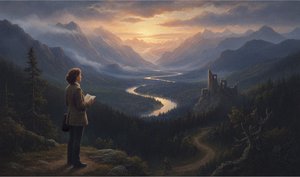
Capturing the Sublime: An Art Historian's Guide to the Emotional Grandeur of Romantic Landscape Painting
Discover the profound emotional depth of Romantic landscape painting. Explore the philosophy of the Sublime and the mastery of legends like Turner and Friedrich. Enhance your collection with museum-grade, hand-painted oil reproductions from OriginalUniqueArt.com.

Capturing the Sublime: A Guide to Romantic Landscape Art & Its Emotional Power
Explore the profound emotional power of Romantic landscape art. Discover how masters like Friedrich captured the sublime through breathtaking nature, and learn to curate these evocative masterpieces for your luxury interior collection.

Evoking Nature's Sublime: A Comprehensive Exploration of 19th-Century Landscape Painting
Explore the captivating world of 19th-century landscape painting! Discover renowned artists like Friedrich & Monet, key movements, and find the perfect artwork to bring nature's serenity into your home. Expert insights at OriginalUniqueArt.



