

 效果预览
效果预览
 分享
分享 分享
分享
 详情
详情

 下载
下载
 相似作品
相似作品 X射线
X射线 幻灯片播放
幻灯片播放 统计数据
统计数据Mother and Son
 Acrylic On Canvas
- WallArt
- Metaphysical Painting
 110.0 x 80.0 cm
 Fondazione Cariplo
 展开详情
展开详情
艺术微喷/版画
博物馆级艺术微喷或帆布版画,制作高效,并提供多种饰面选择。 ( 购买手绘画作 切换至数字图像销售渠道)




P118B $10

P118H $10

P118W $10

P438Z $10

P508JH $12

P508YH $12

P805H $10

P805Z $10

P919BZ $10

P919G $10

P919XJ $10

P959ZH $10

P968JZ $12

W106C $8

W218G $10

W218JH $8

W218Y $10

W307PJ $10

W316G $10

W316PJ $8

W316Y $10

W398PJ $8

W4111J $10

W500HY $15

W500JH $15

W692G $12

W849H $8

W940BG $15

W953PJ $8




从与原作比例一致的预设尺寸中进行选择。

您可以输入自定义尺寸,以适配特定的画框或空间。如果您选择的尺寸与原图比例不符,我们将对作品进行裁剪,或通过镜像填充/纯色填充边缘的方式来扩展图像。在开始制作之前,我们会向您发送一份数字效果图供您确认。
请注意,屏幕上的预览并不能反映实际的裁剪或扩展效果。只有效果图才能准确展示最终的构图。
虽然我们提供定制尺寸,但为了保持原图比例,我们建议您从预设列表中选择尺寸。


 玻璃选项仅适用于110厘米以下的尺寸。

Mother and Son
艺术微喷/版画
复制品尺寸
-


最终总价
$ 80
The Canvas as a Stage – Carlo Carrà’s ‘Mother and Son’
Carlo Carrà's “Mother and Son,” painted in 1934, isn’t merely a portrait; it’s a carefully constructed tableau vivant, a frozen moment of familial intimacy imbued with an undercurrent of poignant melancholy. Measuring a substantial 110 x 80 cm, the painting immediately commands attention with its intimate scale – inviting the viewer to step into this domestic scene and observe the quiet drama unfolding within. The composition is deliberately restrained, prioritizing geometric clarity over overt emotional expression, yet it’s precisely this control that amplifies the subtle tension at the heart of the work.
Carrà, a pivotal figure in the transition from Futurist dynamism to the more contemplative realms of Metaphysical painting, masterfully employs flattened planes and muted color palettes. The background, rendered in shades of grey and brown, recedes into a hazy distance, suggesting an open window and hinting at the bustling city beyond – a world both accessible and distant from this enclosed domestic space. This spatial ambiguity is crucial; it’s not simply a room, but a stage upon which a silent narrative plays out.
Metaphysical Echoes: Picasso and the Return to Order
“Mother and Son” resides firmly within the lineage of Metaphysical painting, a movement deeply influenced by the work of Giorgio de Chirico. Like de Chirico’s unsettling dreamscapes, Carrà presents a scene that feels both familiar and profoundly strange. The arrangement of objects – the simple still life with jug and bowl, the scattered ball, the cane – is deliberately illogical, creating a sense of unease and disorientation. This echoes Picasso's own explorations in the 1920s, particularly his “Still Life with Skull” and “Glass and Fruit,” where he similarly juxtaposed disparate elements to create a disconcerting visual effect.
Carrà’s deliberate choice to reference Neoclassical painting, as noted by critics of the era, is also significant. He consciously draws upon the volumetric solidity and balanced compositions of classical sculpture, grounding the surreal atmosphere in a sense of established form. This creates a fascinating tension between the familiar and the unsettling – a hallmark of Carrà’s artistic approach.
Symbolism and Emotional Resonance
The central figures—the mother and son—are rendered with remarkable restraint. The woman, partially nude, is not overtly sensual but rather embodies a quiet dignity and a subtle vulnerability. Her gaze is directed towards her child, suggesting a protective tenderness that transcends mere maternal affection. The boy, seated at her feet, appears lost in his own world, perhaps contemplating the complexities of their shared existence.
The inclusion of the ball and still life objects adds layers of symbolic meaning. These everyday items—representing play, sustenance, and domesticity—are presented with a detached coolness, suggesting a subtle critique of bourgeois values and the artificiality of social conventions. The cane, a recurring motif in Carrà’s work, may symbolize both protection and constraint – a reminder of the limitations imposed by age and circumstance.
A Legacy of Quiet Contemplation
“Mother and Son” is more than just a painting; it's a meditation on family, memory, and the passage of time. Carrà’s masterful use of color, composition, and symbolism creates an enduring image of quiet contemplation—a poignant reminder of the complexities of human relationships and the bittersweet beauty of everyday life. Reproductions of this work capture not only its visual richness but also the profound emotional depth that lies beneath its surface, making it a compelling addition to any discerning collection or a thoughtful choice for interior design.
艺术家简介
早期生活与艺术叛逆的萌芽
卡洛·卡拉,1881年2月11日出生于意大利亚历山德里亚附近的夸尔格嫩托,他的道路从一开始就与学院派传统大相径庭。他的童年充满艰辛;十二岁时,他离开了家庭,成为一名壁画装饰学徒。这段 formative 的经历,深深浸透在艺术创作的物质性和工艺性中,不可磨灭地塑造了他的艺术感官。这不仅仅是涂抹颜料——而是沉浸于色彩、形式和视觉交流之中。二十世纪初,他前往巴黎装饰万国博览会的展馆,接触到蓬勃发展的当代法国艺术潮流,这是一个关键的觉醒,拓宽了他超越意大利乡土视野的眼界。紧随其后的是在伦敦的一个短暂时期,在那里他遇到了流亡的意大利无政府主义者——一种微妙地影响着他早期作品的政治暗流,主题围绕社会动荡和反抗。1901年回到米兰后,卡拉磨练了他的技能,最终于1906年进入布雷拉学院学习,师从切萨雷·塔洛内。然而,即使在学院的结构中,一种不安定的精神依然存在,渴望艺术创新。拥抱动能:未来主义时期
1910 年证明是关键的一年。卡拉加入了翁贝托·波乔尼、路易吉·鲁索罗和贾科莫·巴拉,签署了未来主义画家的宣言——一份不可逆转地改变意大利艺术进程的声明。未来主义是一种激进的思想,是对现代性、速度、技术、青年以及机器时代无情能量的爆炸式庆祝。它拒绝过去,拥抱动能,预示着一个以进步为特征的未来。卡拉早期的未来主义作品,例如《无政府主义者加利葬礼》(1911) 和《物体的节奏》(1911),生动地体现了这些原则。《无政府主义者加利葬礼》,对悲伤和抗议混乱而引人入胜的描绘,不仅仅是表现,更是一种运动和情感的内在体验。破碎的形式和刺眼的色彩传达了人群的原始能量和破坏性的政治力量。《物体的节奏》进一步证明了他对动能的探索,将日常物体分解成碎片化的形状,暗示着运动和转变。这些画作并非关于 *什么* 被描绘,而是关于 *如何* 被感知——一种革命性的表现方法。卡拉不仅仅是在绘画场景;他试图捕捉现代生活的本质及其所有狂热的光辉。从未来主义到形而上学及更远
随着第一次世界大战的临近,卡拉对未来主义的热情逐渐消退,他的艺术轨迹发生了意想不到的转变。大约在 1917 年左右,由于与乔治·德·基里科在费拉拉的相遇,发生了一次深刻的变化。德·基里科的“形而上绘画”——以令人不安的并置、怪异的透视和梦幻般的氛围为特征——深深地引起了卡拉的共鸣。他开始将人体模型融入他的作品中,如《洛特的女儿们》(1919),创造出既熟悉又令人不安的场景。这一时期标志着从未来主义的外向动能转向对心理状态和存在焦虑的内省探索。20 世纪 20 年代和 30 年代见证了另一次演变,卡拉开始创作风景画。他发展了一种更具氛围感的风格,其特点是扁平化的透视和纹理笔触,如《海边的早晨》(1928) 所体现。这并非对早期实验的拒绝,而是融入到一种新的视觉语言中——一种更加安静、更具沉思性的艺术方法。遗产与复杂性:一个不断变化的意识形态格局
卡洛·卡拉的艺术之旅是复杂的。他后来的生活以日益增长的民族主义观点为特征,在 1918 年之后与法西斯政权结盟。这种政治立场仍然是他遗产的一个有争议的方面,引发了关于艺术和意识形态的争论。尽管如此,卡拉对现代意大利艺术的贡献是不可否认的。他是未来主义和形而上绘画的关键人物,突破界限并挑战规范。他贯穿整个职业生涯的实验意愿证明了他非凡的智力好奇心和艺术勇气。他的影响超越了绘画,通过未来主义运动的跨学科方法影响了雕塑、文学和设计。进一步探索卡拉的世界
发现卡拉的作品揭示了一种不断寻求新的表达形式的精神。他的画作不仅仅是视觉表现,更是对一个快速变化世界的焦虑和愿望的窗口。- 深入研究他在各种在线艺术数据库中的作品。
- 探索未来主义运动及其主要人物的革命精神。
- 查阅维基百科和不列颠百科全书等可靠来源,获取全面的传记信息。

卡洛·卡拉 (Kǎluò·Kǎlā)
1881 - 1966
艺术家简介
- Artistic Movement Or Style: 未来主义,形而上艺术
- Artists Or Movements Influenced By This Artist:
- 超现实主义
- 意大利未来主义
- Artists Who Influenced This Artist:
- 贾科莫·巴拉
- 乔治·德·基里科
- Date Of Birth: 1881年2月11日
- Date Of Death: 1966年4月13日
- Full Name: 卡洛·卡拉
- Nationality: 意大利国籍
- Notable Artworks:
- 加利安葬仪式
- 物体的节奏
- 洛特的女儿们
- 海边的清晨
- Place Of Birth: 意大利亚历山德里亚市
相关文章

Umberto Boccioni: Dynamism, Futurist Ideals & the Evolution of Modern Sculpture
Explore the revolutionary art of Umberto Boccioni, a leading figure of Futurism. Discover his iconic sculptures & paintings, and delve into the movement's impact on modern art history with OriginalUniqueArt.
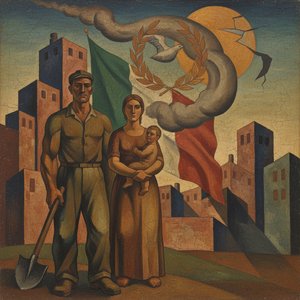
Mario Sironi: A Poetic of Modern Italian Identity Through Symbolism & Social Commentary
Explore the profound works of Mario Sironi, a key figure in Italian Modernism. Discover his evolution from Futurism to Metaphysical painting and his powerful social commentary. Learn about his legacy at OriginalUniqueArt.

Carlo Carrà: Futurist Visions & Metaphysical Transformations in Early 20th-Century Italian Painting
Explore the artistic journey of Carlo Carrà, a pivotal figure in Italian Futurism & Metaphysical painting. Discover his dynamic compositions, collaborations with de Chirico, and lasting influence on modern art history.

Speed, Power, and Motion: A Definitive Guide to the Italian Futurist Art Movement
Explore the dynamic world of Italian Futurism. Discover how masters like Umberto Boccioni captured speed, power, and modernity through revolutionary techniques. A definitive guide for art historians and collectors seeking to understand the movement that redefined the machine age.
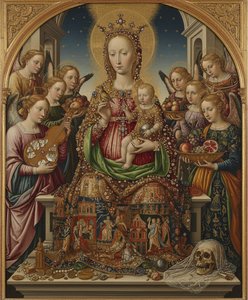
Carlo Crivelli: Mysticism & Materiality in Renaissance Venice
Explore the captivating world of Carlo Crivelli, a Renaissance master blending Gothic detail with profound symbolism. Discover his unique style & lasting influence on Venetian art history.