

 效果预览
效果预览
 购买手绘画作
 分享
分享 分享
分享
 详情
详情

 下载
下载
 相似作品
相似作品 X射线
X射线 幻灯片播放
幻灯片播放Courting couple

 展开详情
展开详情




































从与原作比例一致的预设尺寸中进行选择。

您可以输入自定义尺寸,以适配特定的画框或空间。如果您选择的尺寸与原图比例不符,我们将对作品进行裁剪,或通过镜像填充/纯色填充边缘的方式来扩展图像。在开始制作之前,我们会向您发送一份数字效果图供您确认。
请注意,屏幕上的预览并不能反映实际的裁剪或扩展效果。只有效果图才能准确展示最终的构图。
虽然我们提供定制尺寸,但为了保持原图比例,我们建议您从预设列表中选择尺寸。


 玻璃选项仅适用于110厘米以下的尺寸。

Courting couple
艺术微喷/版画
复制品尺寸
-


最终总价
$ 80
艺术家简介
A Neapolitan Light: The Life and Art of Carlo Brancaccio
Carlo Brancaccio, born in the vibrant city of Naples in 1861, emerged as a significant voice within Italian Impressionism, capturing the fleeting beauty of both his homeland and the burgeoning modernity of Paris. His journey to becoming a celebrated painter was initially unconventional; encouraged by his parents towards scientific pursuits, it wasn’t until the age of twenty-two that Brancaccio wholeheartedly embraced his artistic calling. This late start, however, proved pivotal, allowing him to approach painting with a focused passion and a mature sensibility. He quickly sought guidance from Eduardo Dalbono, a respected figure in the Neapolitan art scene whose influence would profoundly shape Brancaccio’s early style. Dalbono instilled within him not only a mastery of chromatic nuance but also an affinity for *en plein air* painting – a technique central to capturing the luminous quality of light that defines so much of his work. This training fostered a rapid brushstroke and a palette brimming with the radiant hues characteristic of the Neapolitan school, laying the foundation for Brancaccio’s distinctive artistic vision.From Bay of Naples to Parisian Streets
Brancaccio's earliest works, dating back to the 1880s, reveal a freshness and realism born from direct observation. He became captivated by the interplay of light on the waters of the Bay of Naples, meticulously documenting its ever-changing moods in his marine paintings. These early pieces, exhibited at the Neapolitan Promotrice alongside works like *Studio*, *From Mergellina*, and numerous sketches of the city, demonstrated a keen eye for detail and an emerging talent for atmospheric perspective. However, Brancaccio’s artistic horizons extended beyond Naples. Frequent trips to Paris proved transformative, exposing him to the burgeoning Impressionist movement and inspiring a shift in his technique. He began to experiment with more dynamic brushwork, seeking to capture not just the appearance of a scene but its very essence – the fleeting moment, the sensation of light and air. This newfound freedom allowed him to depict both Parisian landscapes and revisit Neapolitan seascapes and cityscapes with renewed vigor, creating works that resonated with an increasingly international audience, particularly among foreign collectors drawn to his evocative depictions of Italian life.Recognition and Artistic Legacy
Brancaccio’s talent did not go unnoticed. He achieved significant recognition during his lifetime, culminating in a gold medal at the Exhibition in Rome in 1893. His painting *Sad Times*, exhibited at the prestigious Italian Art Exhibition in St Petersburg in 1898, garnered particular acclaim and was acquired by none other than the Empress of Russia – a testament to the universal appeal of his art. Among his most celebrated works are *Scalinata A Napoli*, a captivating watercolor that beautifully portrays the ancient streets of Naples with an impressionistic touch; *Courting Couple*, an oil painting brimming with light and tranquility, showcasing his mastery of coastal scenes; *The French Riviera*, characterized by its loose brushwork and vibrant colors; and *Place De La Madeleine*, a lively Parisian street scene offering a glimpse into 19th-century life. These paintings exemplify Brancaccio’s ability to blend meticulous observation with an expressive style, creating works that are both visually stunning and emotionally resonant.Influences and Historical Context
The influence of Eduardo Dalbono remained a constant throughout Brancaccio's career, providing a solid foundation in technique and a deep appreciation for the Neapolitan landscape. However, the Impressionist movement proved equally crucial to his artistic development. Artists like Monet and Renoir inspired him to embrace a more dynamic approach to painting, focusing on capturing fleeting moments of light and atmosphere rather than precise representation. While often associated with the Orientalist movement due to his depictions of exotic locales, Brancaccio’s primary focus remained firmly rooted in Italian and French cityscapes – scenes he rendered with a unique blend of realism and impressionistic flair. He stands as a bridge between traditional *vedute* painting and the modern sensibilities of Impressionism, offering a captivating glimpse into a period of rapid social and artistic change. His ability to capture the spirit of both Neapolitan and Parisian life cemented his place within the European art world, leaving behind a legacy of vibrant canvases that continue to enchant viewers today.
Carlo Brancaccio
1861 - 1920 , Italy
艺术家简介
- Artistic Movement Or Style: Impressionism
- Artists Who Influenced This Artist: ['Eduardo Dalbono']
- Date Of Birth: March 6, 1861
- Date Of Death: 1920
- Full Name: Carlo Brancaccio
- Nationality: Italian
- Notable Artworks:
- Scalinata A Napoli
- Courting Couple
- The French Riviera
- Place De La Madeleine
- Place Of Birth: Naples, Italy
相关文章

Beyond the Horizon: A Curated Guide to Integrating Post-Impressionist Landscapes into Modern Interiors
Transform your home with the emotive power of Post-Impressionist landscapes. Discover expert tips on selecting hand-painted oil reproductions to create a soulful, vibrant interior that reflects your unique style and connection to nature.

Impressionistic Landscapes: 10 Masterpieces That Changed Art & Decor
Journey into the heart of Impressionism! Explore 10 masterpieces by Monet, Renoir & Degas that revolutionized landscape art. Discover their stories, techniques & find museum-quality reproductions to elevate your home decor on OriginalUniqueArt.com.

印象派风景画的十部巨作:定义艺术与家的和谐之境
探索印象派风景画的十部经典巨作!从莫奈到雷诺阿,揭秘大师们的技法与灵感。OriginalUniqueArt.com为您呈现高清油画复制和精选艺术品,点亮您的家居空间。立即发现更多艺术珍宝!
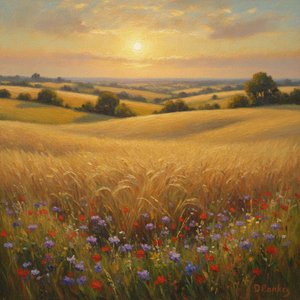
Golden Fields & Sun-Drenched Meadows: Capturing the Soul of Impressionist Landscapes
Immerse yourself in the luminous world of Impressionist landscapes. Discover how masters like Monet and Gauguin captured ephemeral light through plein air painting, and learn to bring the soul of sun-drenched meadows into your home with exquisite, hand-painted oil reproductions.
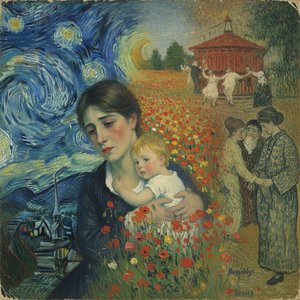
Capturing the Soul: The Most Emotionally Moving Impressionist and Post-Impressionist Masterpieces
Discover the profound emotional depth of Impressionist and Post-Impressionist masterpieces. Explore how legends like Monet, Van Gogh, and Gauguin captured light and soul through evocative landscapes and vibrant brushwork for a timeless connection to art history.

