

 实景预览
实景预览
 发送
发送 分享
分享
 详情
详情 指南
指南

 下载图片
下载图片
 相似作品
相似作品 X射线
X射线 幻灯片播放
幻灯片播放 统计数据
统计数据The Angler
 Oil On Canvas
- WallArt
- Romanticism
 25.0 x 18.0 cm
 Gemäldegalerie Alte Meister
 阅读全文
阅读全文
手工油画复制品
由我们的艺术家按需定制,为您提供您所选尺寸及画框的布面手工油画。 ( 切换至版画销售渠道 切换至数字图像销售渠道)




P118B ¥10

P118H ¥10

P118W ¥10

P438Z ¥10

P508JH ¥12

P508YH ¥12

P805H ¥10

P805Z ¥10

P919BZ ¥10

P919G ¥10

P919XJ ¥10

P959ZH ¥10

P968JZ ¥12

W106C ¥8

W218G ¥10

W218JH ¥8

W218Y ¥10

W307PJ ¥10

W316G ¥10

W316PJ ¥8

W316Y ¥10

W398PJ ¥8

W4111J ¥10

W500HY ¥15

W500JH ¥15

W692G ¥12

W849H ¥8

W940BG ¥15

W953PJ ¥8




您可以从与原作比例一致的预设尺寸中进行选择。

请输入您需要的宽度和高度,以适配您的画框或墙面。由于作品为手工绘制,若您选择不同的尺寸比例,艺术家可能会在画面边缘多画一些或稍作裁剪 —— 由您决定。在开始绘画之前,我们会为您发送一份数字效果图供您确认。本页面上展示的图片并非最终实物 —— 只有效果图才能反映真实结果。
下单后,OriginalUniqueArt.com 团队将通过电子邮件联系客户获取具体要求,并提供效果预览图


 玻璃选项仅适用于110厘米以下的尺寸。

The Angler
复制品材质
复刻品尺寸说明
-


总计金额
¥ 2351
A Moment of Reflection Amidst Bavarian Serenity: Exploring Carl Spitzweg’s “The Angler”
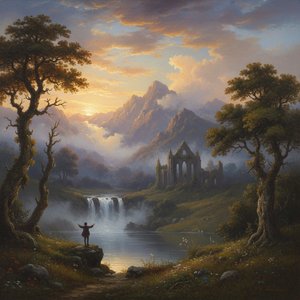
Carl Spitzweg's "The Angler," painted sometime around 1860, embodies the quintessential spirit of Biedermeier art – a genre celebrated for its understated elegance and poignant portrayal of everyday life. More than just a picturesque landscape, this artwork speaks volumes about Romantic ideals of contemplation and communion with nature, offering viewers a glimpse into a tranquil Bavarian scene steeped in symbolic resonance.- Subject Matter & Composition: The painting depicts a secluded grotto nestled amongst towering cliffs and lush foliage. At its heart is a solitary figure – likely a monk or scholar – diligently engaged in writing or studying, accompanied by several others resting peacefully on rocks. This deliberate arrangement underscores the theme of solitude as a catalyst for intellectual pursuit and spiritual introspection.
- Style & Influences: Spitzweg’s approach aligns seamlessly with Romantic artistic sensibilities. Rejecting grand narratives and theatrical displays favored by earlier movements, he prioritizes capturing fleeting moments of beauty and emotion with remarkable sensitivity. His style draws heavily from Flemish masters like Jan Vermeulen and Gerard Terwesten, absorbing their mastery of atmospheric perspective and meticulous attention to detail – techniques crucial for conveying the profound stillness of the landscape.
Technique & Material Considerations
Executed in oil on canvas, “The Angler” exemplifies Spitzweg’s dedication to capturing subtle nuances of light and texture. The artist employs layering and blending skillfully, creating a luminous effect that imbues the scene with an ethereal quality. Loose brushstrokes contribute to the impressionistic style, prioritizing expressive marks over precise representation. Notably, Spitzweg utilizes atmospheric perspective—a technique perfected during this period—to convincingly depict distance, diminishing color intensity and reducing detail in the background elements. This masterful manipulation of visual cues powerfully reinforces the sense of depth and contributes significantly to the artwork’s overall mood.- Color Palette & Texture: The painting's palette leans towards earthy tones – browns, greens, and ochres – punctuated by cool blues and greens dominating the shadowed recesses of the grotto. Spitzweg meticulously builds up texture through varied brushstrokes, simulating the roughness of stone surfaces and the dense foliage of the surrounding trees. These textural choices are not merely decorative; they actively engage the viewer’s senses, transporting them into the depicted environment.
- Symbolism & Emotional Impact: Beyond its aesthetic beauty, “The Angler” carries profound symbolic weight. The solitary figure represents the pursuit of knowledge and spiritual enlightenment amidst the grandeur of nature—a core preoccupation of Romantic artists. The tranquil setting evokes feelings of serenity, peace, and contemplation, inviting viewers to pause and appreciate the restorative power of solitude. Spitzweg’s ability to distill complex ideas into a deceptively simple visual form elevates this artwork beyond mere landscape painting; it becomes an emblem of humanist values and artistic idealism.
A Legacy of Quiet Beauty
“The Angler” stands as a testament to Carl Spitzweg’s enduring contribution to German Romantic art. Its understated elegance, combined with its masterful execution and evocative symbolism, continues to resonate with audiences today. Reproductions crafted by OriginalUniqueArt offer an exceptional opportunity to experience the captivating charm of this iconic piece—a timeless reminder that beauty can be found in the simplest of observations and that true artistic achievement lies in capturing the essence of human emotion within a meticulously rendered landscape.问答详情
"The Angler" 的主题与 卡尔·施皮茨韦格 常有的创作主题有何关联?
在卡尔·施皮茨韦格已记录的主题——romantic ideals, nature's embrace, biedermeier domesticity, german life, solitude, introspection, quietude, spitzweg's serene landscapes"——之中,"The Angler" 则将焦点转向了romantic landscape, solitude & contemplation, grotto scene, nature retreat, 19th century germany, atmospheric perspective, quiet reflection。
Gemäldegalerie Alte Meister馆藏作品“The Angler”的复制权归属如何?
馆藏于 Gemäldegalerie Alte Meister 的 卡尔·施皮茨韦格 的《The Angler》 属于 属于公有领域 —— 其版权已过期。这一状态决定了该图像是否可以进行复制。
《The Angler》这一Romanticism风格的作品传达了怎样的情感基调?
"The Angler" 在 Romanticism 运动中蕴含着 Mysterious 的情感基调。
艺术家简介
卡尔·施皮茨韦格:细致入微的观察者与德国浪漫主义的诗意
1808年2月5日,卡尔·施皮茨韦格出生于巴伐利亚州的温特普法芬霍芬村,靠近慕尼黑。他的艺术之路并非一帆风顺。最初,他被寄予厚望过上务实的生活——在父亲的意愿下,成为一名药剂师学徒。然而,命运却以疾病和康复的形式介入,在那段期间,他对绘画的热情逐渐萌发。但这并非突如其来的转变,而是一个循序渐进的过程,通过临摹佛兰德斯大师的作品来滋养,吸收他们一丝不苟的细节和氛围深度。早年时光充满了对父亲计划的尽职尽责,但即使在药学研究的范围内,施皮茨韦格的艺术倾向仍然存在,暗示着一种渴望创造表达的精神。他的家庭背景舒适富裕;他的父亲西蒙·施皮茨韦格是一位成功的商人,母亲弗朗齐斯卡·舒穆策来自一个富有的家庭,为他提供了一个稳定的基础,尽管他们最初可能并不理解儿子的艺术倾向。他最终继承的遗产将是至关重要的,赋予了他充分致力于绘画的经济自由,并在1833年实现这一目标。从药剂师到画家:独特艺术风格的形成
施皮茨韦格的自学方法对于塑造其独特的风格至关重要。他不被学院派的约束或宏大历史画作的主流趋势所束缚;相反,他开辟了自己的道路,专注于普通人的日常生活,以温和的幽默感和敏锐的观察力为特色。他在欧洲各地旅行——布拉格、威尼斯、巴黎、伦敦和比利时——并非单纯的观光之旅,而是对光线、色彩和人类性格的沉浸式研究。这些旅程拓宽了他的艺术视野,但他仍然坚定地扎根于 biedermeier 风格,这种风格以其亲密性、家庭氛围和对中产阶级生活的关注为特征。他从荷兰黄金时代的画家那里汲取了灵感,例如尼古拉斯·贝尔赫姆和冈萨雷斯·科克斯,这在他的一丝不苟的细节注意力和温暖的大地色调中显而易见。然而,施皮茨韦格并非简单地模仿;他将这些影响综合成一种独一无二的东西——现实主义、幻想和微妙讽刺的融合,捕捉了他那个时代的精神。他早期对讽刺杂志的贡献磨练了他的能力,可以将复杂的观察结果提炼成简洁、引人入胜的视觉叙述。Biedermeier 的魅力:主题与技巧
施皮茨韦格的画作是通往逝去时代之窗,以一种令人愉悦的魅力展现了19世纪德国生活的片段。他擅长描绘古怪的人物——埋头苦读的书虫、被焦虑所困扰的疑病症患者、沉迷于追求的蝴蝶猎人——这些人物体现了人类性格的奇特性和脆弱性。这些并非旨在嘲讽的漫画,而是对个性进行庆祝的深情肖像。《可怜的诗人》,也许是他最具代表性的作品,完美地体现了这种方法;它是一幅感人的孤独与知识热情的描绘,以非凡的敏感度呈现。他的技巧以一丝不苟的细节、精致的笔触和娴熟的光影运用为特征,以创造氛围和情绪。他对戏剧性叙事或宏大姿态不感兴趣;相反,他在平凡中发现了美和意义,将日常场景提升到艺术的高度。他的画作不仅仅是对现实的再现,而是融入了他自己温和的智慧和同理理解的诠释。遗产与持久吸引力
卡尔·施皮茨韦格的影响超越了19世纪德国绘画的范畴。尽管在主流艺术史叙事中经常被忽视,但他的作品一直引起几代艺术家和观众的共鸣。他以幽默感和同情心捕捉日常生活本质的能力至今仍能吸引观众。《蝴蝶猎人》和《修道院学校郊游》等画作的持久受欢迎程度证明了它们永恒的魅力。施皮茨韦格的遗产也体现在后来的艺术家作品中,包括诺曼·洛克威尔,他用自己的版本向《可怜的诗人》致敬。他的画作可以在世界各地的著名博物馆和收藏品中找到,包括慕尼黑的Schackgalerie 和奥地利林茨的Wolfgang-gurlitt-museum,确保了他的艺术愿景将继续激励和愉悦未来许多年。他于1885年9月23日去世,留下了一部丰富的作品——超过1500幅绘画和素描——证明了他独特的才华和对艺术世界的持久贡献。
卡尔·施皮茨韦格
1808 - 1885 , 德国
快速概览
- Artistic Movement Or Style: biedermeier, 浪漫主义
- Artists Or Movements Influenced By This Artist: ['诺曼·洛克威尔']
- Artists Who Influenced This Artist: ['佛兰德斯大师']
- Date Of Birth: 1808年2月5日
- Date Of Death: 1885年9月23日
- Full Name: 卡尔·施皮茨韦格
- Nationality: 德国
- Notable Artworks (List Of Titles):
- 《穷诗人》
- 《蝴蝶猎人》
- 《疑病狂》
- Place Of Birth (City And Country): 德国慕尼黑附近Unterpfaffenhofen
相关文章
Evoking Emotion & Transcendence: Romantic Landscape Painting (18th-19th Century)
Explore the emotional depth of Romantic landscape painting (18th-19th century). Discover key artists like Friedrich & Cole, and the concepts of the sublime. Expert insights for art lovers & collectors.

浪漫主义画派的十部巨作:定义风景画的艺术传奇
探索浪漫主义风景画的巅峰!本文精选十部经典名作,带您领略莫奈、库尔贝等大师的艺术魅力。感受色彩与光影的诗意,重温自然风光的震撼。OriginalUniqueArt.com为您提供博物馆级别的艺术复制品和个性化家居装饰方案。尽在OriginalUniqueArt.com!

浪漫主义风景画:情感、自然与宇宙的探索
探索浪漫主义风景画的深刻内涵,深入了解卡斯帕·大卫·弗里德里希等大师的作品。OriginalUniqueArt提供精美复制品、定制服务及专业艺术咨询,助您收藏经典,打造专属艺术空间。

Evocations of Place: A Historical Journey Through Landscape Art
Explore the rich history of landscape art with OriginalUniqueArt. Discover renowned artists, movements like Impressionism & Romanticism, and expert guidance for collecting timeless pieces. Find your perfect serene escape today!

Evoking Nature's Sublime: A Comprehensive Exploration of 19th-Century Landscape Painting
Explore the captivating world of 19th-century landscape painting! Discover renowned artists like Friedrich & Monet, key movements, and find the perfect artwork to bring nature's serenity into your home. Expert insights at OriginalUniqueArt.


