

 实景预览
实景预览
 发送
发送 分享
分享
 详情
详情 指南
指南

 下载图片
下载图片
 相似作品
相似作品 X射线
X射线 幻灯片播放
幻灯片播放 统计数据
统计数据Building the Devil's Bridge
 Oil On Canvas
- WallArt
- Romantic Industrialization
 1833
1833- 19th Century
 78.0 x 105.0 cm
 新畫廊
新畫廊
 阅读全文
阅读全文
艺术微喷/版画
博物馆级艺术微喷或帆布版画,制作高效,并提供多种饰面选择。 ( 订购此收藏品的纯手工复刻画作 切换至数字图像销售渠道)




P118B ¥10

P118H ¥10

P118W ¥10

P438Z ¥10

P508JH ¥12

P508YH ¥12

P805H ¥10

P805Z ¥10

P919BZ ¥10

P919G ¥10

P919XJ ¥10

P959ZH ¥10

P968JZ ¥12

W106C ¥8

W218G ¥10

W218JH ¥8

W218Y ¥10

W307PJ ¥10

W316G ¥10

W316PJ ¥8

W316Y ¥10

W398PJ ¥8

W4111J ¥10

W500HY ¥15

W500JH ¥15

W692G ¥12

W849H ¥8

W940BG ¥15

W953PJ ¥8




您可以从与原作比例一致的预设尺寸中进行选择。

请输入您所需的宽度和高度,以适配您的画框或墙面。由于印刷品只能进行裁剪,无法超出原图尺寸,因此若比例不一致,画面的一部分将会被裁切。在正式印刷之前,我们会为您发送一份数字效果图供您确认。本页面显示的图片并非最终裁剪后的效果——只有效果图才能展示真实的裁剪情况。


 玻璃选项仅适用于110厘米以下的尺寸。

Building the Devil's Bridge
艺术微喷/版画
复刻品尺寸说明
-


总计金额
¥ 538
A Symphony of Ambition and Nature
In his 1833 masterpiece, Building the Devil's Bridge, Carl Blechen invites the viewer into a profound dialogue between human ingenuity and the indomitable spirit of the natural world. This oil on canvas work is far more than a mere documentation of construction; it is a poignant exploration of the Romantic era’s complex relationship with progress. As a bridge begins to span a dramatic, yawning gorge, we witness a moment frozen in time where the burgeoning industrial revolution meets the ancient, silent majesty of the earth. The scene captures a sense of monumental effort, as workers navigate the rugged terrain, their small figures serving as a testament to human resilience amidst the towering, intimidating cliffs that frame the composition.
The painting breathes with a palpable tension, a duality that Blechen masterfully orchestrates through his use of light and shadow. The atmosphere is thick with a certain melancholic grandeur, achieved through a muted palette of earthy browns, somber greys, and subdued greens. This choice of color grounds the work in a raw, naturalistic reality, yet it is the dramatic lighting that truly stirs the soul. Soft, diffused daylight casts long, sweeping shadows across the gorge, highlighting the precariousness of the construction. These shadows do more than provide depth; they act as a metaphor for the inescapable shadow of mortality and the inherent vulnerability of human endeavors when pitted against the immense scale of geological time.
Symbolism and the Industrial Sublime
To gaze upon this work is to encounter the "Industrial Sublime." Blechen, a pioneer who dared to look beyond idealized landscapes, utilizes the bridge itself as a powerful symbol of human ambition and the desire to dominate formidable natural forces. The jagged edges of the rocks and the verticality of the cliffs represent the resistance of nature, while the presence of the crane—reminiscent of an instrument of execution—hints at the potential cost of such rapid advancement. There is a haunting beauty in this struggle, a sense that every step toward progress carries a weight of consequence.
For the discerning collector or interior designer, Building the Devil's Bridge offers a sophisticated focal point that commands attention through its narrative depth and structural complexity. The strong diagonal perspective draws the eye deep into the heart of the landscape, leading from the immediate human presence toward the hazy, distant mountains. This use of atmospheric perspective creates an expansive sense of space, making the artwork feel like a window into another era. Whether placed in a contemporary gallery or a classic study, this reproduction brings with it an aura of intellectual curiosity and emotional resonance, perfect for those who appreciate art that challenges the mind while captivating the eye.
问答详情
如何发现与 卡尔·布莱肯 的《Building the Devil's Bridge》 风格相近的艺术品?
卡尔·布莱肯 的《Building the Devil's Bridge》 的 相似作品 页面展示了相关艺术作品。
卡尔·布莱肯 的《Building the Devil's Bridge》 的色彩饱和度如何?
"Building the Devil's Bridge" 的色调饱和度为 Muted。
是否有关于 卡尔·布莱肯 的《Building the Devil's Bridge》 的指南?
"Building the Devil's Bridge" 的指南位于作品的 指南 页面 —— 这是一份可打印的信息单,展示了该作品及其说明、署名以及详细信息表(艺术家、日期、媒介、原尺寸、馆藏)。
艺术家简介
卡尔·布莱肯:浪漫主义工业化先驱
卡尔·埃德华·费迪南德·布莱肯,1798年生于德国科特布斯,在风景画领域占据着独特而常常被忽视的地位。他的一生充满了艺术才华与个人苦难,这种双重性深刻地塑造了他充满感染力和开创性的作品。最初由于家庭经济状况的限制,注定要从事务实的银行业务生涯,但布莱肯天生的艺术倾向最终占了上风。1822年,他进入柏林艺术学院学习,踏上一条道路,这条道路将使他成为第一批努力应对早期工业化带来的美学挑战——以及可能性——的艺术家。
布莱肯的 formative years 沉浸在席卷欧洲的浪漫主义理想之中。然而,与许多专注于理想化的自然美景或历史宏伟场面的同时代画家不同,布莱肯的目光投向了一个正在变化的世界。1828-1829年对意大利的旅行具有决定性的意义。他沉浸在意大利乡村的光线和氛围中,磨练了纯写生技巧,以非凡的敏感捕捉转瞬即逝的时刻和戏剧性的效果。这些素描不仅仅是准备研究;它们被赋予了一种充满活力的能量,这种能量将成为他成熟风格的特征。他回到柏林,不仅是一位技术娴熟的画家,更是一位拥有独特视野的艺术家——他的愿景寻求调和自然崇高的美丽与日益逼近的现代现实。
在传统与变革中航行
布莱肯的艺术创作特点是浪漫主义感性和一种新兴的现实主义之间的引人入胜的张力。他不回避描绘蓬勃发展的工业景观,但也不批判性地颂扬它。1830年至1832年创作的建造魔鬼桥 (Bau der Teufelsbrücke) 很好地体现了这种方法。这幅画并没有美化这项工程壮举;相反,它呈现了一个艰苦劳动的场景,以戏剧性的背景为衬托,暗示着人类的雄心和自然秩序可能被扰乱的可能性。这种直面时代复杂性的意愿使他与许多同时代的人区分开来。
他的风景画通常充满忧郁的气氛,反映了不断变化的物理环境以及他内心的挣扎。例如,施潘道附近的森林小路 (Waldweg bei Spandau) 唤起了孤独和内省的感觉,同时也展示了布莱肯对光线和阴影的掌握。他巧妙地运用大气透视来创造深度和氛围,将观众带入场景并邀请沉思。他不仅仅是在记录他所看到的东西;他正在传达一种情感反应。
一位才华横溢的天才与持久的遗产
尽管取得了艺术成就,布莱肯的一生却因精神疾病而过早地结束了生命。1831年被任命为柏林学院的风景画教授——证明了他的声誉日益提高——他的病情在1835年后迅速恶化。被迫休假并最终住院治疗,即使在痛苦中,他继续创作艺术作品,创作出感人的素描,展现了他内心世界的景象。他在1840年于柏林去世,享年41岁。
尽管他的职业生涯相对短暂,但卡尔·布莱肯对后世艺术家的影响是不可否认的。他开创性地描绘了工业景观,为后来追求捕捉现代生活变貌的现实主义和印象派画家铺平了道路。他证明了即使在变革之中也能找到美丽——以及意义——这对于今天的艺术家来说仍然是一个有力的提醒。他的作品仍然是对人类、自然与进步之间复杂关系的有力提醒。
主要作品及收藏
- 柏林动物园 (Im Berliner Tiergarten), 1825:早期作品,展示了他捕捉大气效果和日常场景的能力以及浪漫主义感性。
- 施潘道附近的森林小路 (Waldweg bei Spandau):令人难忘的风景画,体现了他对光线、阴影和氛围的掌握。
- 建造魔鬼桥 (Bau der Teufelsbrücke), 1830–32:开创性地描绘了早期工业化,展示了人类的雄心及其对自然世界的影响。
今天,布莱肯的作品可以在世界各地的著名博物馆收藏中找到,包括德国比勒费尔德艺术馆 (Kunsthalle Bielefeld)、剑桥菲茨威廉博物馆和伦敦国家美术馆。这些机构保存了他的遗产供后代珍藏,确保他的创新愿景继续激励和挑战观众。
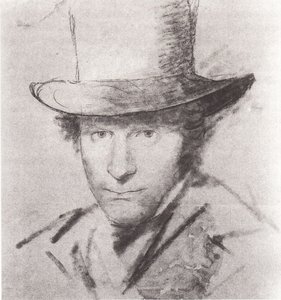
卡尔·布莱肯
1798 - 1840 , 德国
快速概览
- Artistic Movement Or Style: 浪漫主义运动
- Artists Or Movements Influenced By This Artist: 现实主义和印象派画家
- Artists Who Influenced This Artist:
- 卡斯帕·大卫·弗里德里希
- 约翰·克里斯蒂安·达尔
- Date Of Birth: 1798年7月29日
- Date Of Death: 1840年7月23日
- Full Name: 卡尔·爱德华·费迪南·布莱肯
- Nationality: 德国国籍
- Notable Artworks (List Of Titles):
- 柏林动物园
- 施潘道森林小径
- 魔鬼桥建设
- Place Of Birth (City And Country): 德国科特布斯
相关文章

Evocations of Place: A Historical Journey Through Landscape Art
Explore the rich history of landscape art with OriginalUniqueArt. Discover renowned artists, movements like Impressionism & Romanticism, and expert guidance for collecting timeless pieces. Find your perfect serene escape today!

浪漫主义画派的十部巨作:定义风景画的艺术传奇
探索浪漫主义风景画的巅峰!本文精选十部经典名作,带您领略莫奈、库尔贝等大师的艺术魅力。感受色彩与光影的诗意,重温自然风光的震撼。OriginalUniqueArt.com为您提供博物馆级别的艺术复制品和个性化家居装饰方案。尽在OriginalUniqueArt.com!

康斯塔布尔大师之作:25幅传世风景画赏析 | OriginalUniqueArt
探索康斯塔布尔的25幅传世杰作!沉浸于英国田园风光,感受浪漫主义绘画大师的光影与色彩。高清油画复制、艺术品购买尽在OriginalUniqueArt.com,为您的家居增添经典之美。立即在线探索完整系列!

Evoking Nature's Sublime: A Comprehensive Exploration of 19th-Century Landscape Painting
Explore the captivating world of 19th-century landscape painting! Discover renowned artists like Friedrich & Monet, key movements, and find the perfect artwork to bring nature's serenity into your home. Expert insights at OriginalUniqueArt.

Romantic Realism's Finest: 10 Masterpieces for Your Home | OriginalUniqueArt
Explore 10 defining masterpieces of Romantic Realism! Discover Courbet, Millet & Daumier's powerful paintings—capturing emotion and social realities. Find museum-quality reproductions for your home at OriginalUniqueArt.com.