效果预览
效果预览
 购买手绘画作
 分享
分享 分享
分享
 详情
详情

 下载
下载
 相似作品
相似作品 X射线
X射线 幻灯片播放
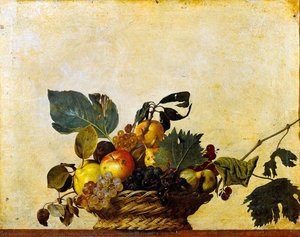
幻灯片播放Martha And Mary Magdalene


 展开详情
展开详情




P118B $10

P118H $10

P118W $10

P438Z $10

P508JH $12

P508YH $12

P805H $10

P805Z $10

P919BZ $10

P919G $10

P919XJ $10

P959ZH $10

P968JZ $12

W106C $8

W218G $10

W218JH $8

W218Y $10

W307PJ $10

W316G $10

W316PJ $8

W316Y $10

W398PJ $8

W4111J $10

W500HY $15

W500JH $15

W692G $12

W849H $8

W940BG $15

W953PJ $8




从与原作比例一致的预设尺寸中进行选择。

您可以输入自定义尺寸,以适配特定的画框或空间。如果您选择的尺寸与原图比例不符,我们将对作品进行裁剪,或通过镜像填充/纯色填充边缘的方式来扩展图像。在开始制作之前,我们会向您发送一份数字效果图供您确认。
请注意,屏幕上的预览并不能反映实际的裁剪或扩展效果。只有效果图才能准确展示最终的构图。
虽然我们提供定制尺寸,但为了保持原图比例,我们建议您从预设列表中选择尺寸。


 玻璃选项仅适用于110厘米以下的尺寸。

Martha And Mary Magdalene
艺术微喷/版画
复制品尺寸
-


最终总价
$ 80
藏品详情
The Shadowed Drama of “Martha and Mary Magdalene”
Michelangelo Merisi da Caravaggio’s “Martha and Mary Magdalene,” painted in 1598–99, is not merely a depiction of two sisters; it's a profound meditation on faith, temptation, and the transformative power of grace. Housed within the hallowed halls of the Detroit Institute of Arts, this arresting canvas immediately commands attention with its masterful use of light and shadow – a signature technique known as *tenebrism* that would forever alter the course of Western art. The painting’s genesis lies in Caravaggio's time spent in the service of Cardinal Francesco Maria Del Monte, a discerning patron who championed innovative artistic approaches. This particular commission reflects the cardinal’s interest in exploring themes of virtue and vice, often interwoven within scenes from the New Testament. Caravaggio, already known for his volatile personality and dramatic style, was tasked with creating an image that would both visually resonate and intellectually stimulate. The scene itself is drawn directly from Luke 10:38-42, where Martha, a devout follower of Jesus, criticizes Mary Magdalene for neglecting their shared responsibilities in favor of indulging in worldly pleasures. The painting captures the precise moment of this confrontation, frozen in an intense exchange of words and emotions.- Compositional Dynamics: The figures are arranged within a shallow space, creating a sense of immediacy and drawing the viewer directly into the scene. Martha, positioned on the left, is rendered with sharp detail and a forceful presence, her gaze directed at Mary. Mary, on the right, appears more ethereal, bathed in a softer light that suggests vulnerability and regret.
- Color Palette: Caravaggio’s palette is restrained yet impactful. The dominant colors are deep browns, reds, and ochres, punctuated by flashes of white and gold. These hues contribute to the painting's dramatic atmosphere and heighten the contrast between the figures.
- The Mirror Motif: A key element of the composition is the Venetian mirror reflecting Mary’s face. This device serves as a potent symbol of vanity and self-reflection, suggesting that she is contemplating her past choices and the allure of worldly pleasures.
Mastering Tenebrism and Chiaroscuro
Caravaggio's genius lies not just in his subject matter but also in his revolutionary approach to technique. *Tenebrism*, a term coined by art historian Théodore Mommsen, describes his dramatic use of light and dark – a technique known as *chiaroscuro*. He eschewed the traditional, balanced lighting of Renaissance painting, instead plunging much of the scene into deep shadow while highlighting specific figures with intense beams of light. This creates a powerful sense of drama, emphasizing the emotional intensity of the moment and imbuing the figures with an almost sculptural quality. The light doesn’t illuminate; it *attacks*, forcing the viewer to confront the subjects' expressions and gestures. Caravaggio achieved this effect through meticulous layering of thin glazes of paint, building up the highlights gradually until they appeared to glow from within. This technique demanded incredible speed and precision, as he often worked directly onto the wet plaster of the canvas without preliminary sketches. The Influence of Light:** The light in “Martha and Mary Magdalene” is not merely decorative; it’s a crucial element of storytelling. It highlights Martha's righteous indignation while casting a veil of shadow over Mary, suggesting her moral decline. It also draws attention to the orange blossom held by Mary – a symbol of vanity that she is about to relinquish in favor of a life devoted to Christ.Symbolism and Narrative Depth
Beyond its technical brilliance, “Martha and Mary Magdalene” is rich in symbolic meaning. The orange blossom, prominently displayed in Mary’s hand, represents the fleeting pleasures of earthly existence – beauty, luxury, and sensual indulgence. It's a deliberate allusion to the temptations that led her astray. The mirror reflects not only Mary’s physical appearance but also her inner state—a reflection of her former self, consumed by vanity and worldly desires. Martha, in contrast, embodies virtue and devotion, her face etched with concern for her sister’s salvation. The setting itself – a simple interior space – reinforces the intimacy of the scene and underscores the personal nature of their conflict.- Martha's Role: As the elder sister, Martha represents the established order of faith and righteousness. Her passionate plea is not simply a reprimand but an urgent call to repentance.
- Mary’s Transformation: Mary’s hesitant gesture – holding the orange blossom – suggests a glimmer of hope for redemption. It's a subtle yet powerful indication that she is beginning to recognize the emptiness of her former life.
A Legacy of Dramatic Intensity
“Martha and Mary Magdalene” exerted an immense influence on subsequent generations of artists, shaping the trajectory of Baroque painting and beyond. Caravaggio’s innovative use of light and shadow, his dramatic compositions, and his unflinching portrayal of human emotion paved the way for a new era in art history. Artists like Rembrandt van Rijn and Georges de La Tour adopted and adapted his techniques, creating works that continue to captivate audiences today. The painting's enduring appeal lies not only in its technical mastery but also in its timeless exploration of faith, temptation, and the complexities of human relationships. Reproductions of this iconic masterpiece offer a window into Caravaggio’s genius, allowing viewers to appreciate the profound emotional depth and dramatic intensity that define his work.艺术家简介
光与影的锻造:卡拉瓦乔的一生
米开朗琪罗·梅里西·达·卡拉瓦乔,一个与巴洛克绘画戏剧性的张力如出一辙的名字,于1571年出生在米兰,正值艺术蓬勃发展和社会动荡不安的时代。他早年的生活充满了失去;瘟疫席卷了他的家乡,在他仅仅六岁时夺走了他的父亲和祖父的生命。在相对贫困的环境中长大,年轻的米开朗琪罗内心深处对人类苦难与韧性有着敏锐的认识——这些主题后来将主宰他的画布。他在米兰跟随西蒙·彼得扎诺接受艺术训练,后者是提香的前学生,掌握了文艺复兴时期的基本技巧,但已经暗示着一种即将打破传统规范的反叛精神。这段学徒期为他奠定了坚实的基础,然而真正让他找到了自己的声音,却是在1592年左右抵达罗马之后——尽管这个过程并非没有最初的挣扎和困苦。这座城市,一个艺术赞助人和宗教狂热的繁荣中心,既吸引着他又令他难以承受,这位有抱负的年轻画家面临着机遇与挑战并存的环境。革命性的视觉:技巧与风格
卡拉瓦乔的到来标志着意大利艺术领域发生了剧变。他摒弃了盛行于当时的时髦派(Mannerism)风格——其特点是人工的优雅和细长的形式——转而采用一种毫不妥协的现实主义,这既震惊又吸引了观众。他最具创新性的运用莫过于他对明暗对比(chiaroscuro)的大师级掌握,将这种技巧提升到了前所未有的表现力高度。这种技术,通常被称为tenebrism(遮蔽主义),不仅仅是一种美学选择;它更是一种加剧情感冲击、将观众拉入场景中心、并赋予其人物一种切实存在感的手段。他摒弃了理想化的描绘,而是从罗马街头选取普通人作为宗教人物的模特。这种激进的方法挑战了传统的美丽和神圣观念,使神圣变得平易近人和深刻的人性化。他的构图往往简洁而直接,专注于剧烈情感爆发的关键时刻,无论是“无辜者之死”中残酷的现实主义,还是“圣弗朗西斯狂喜症”中的安静沉思。关键作品与持久影响
在相对短暂的职业生涯中,卡拉瓦乔创作了许多至今仍能引起观众共鸣的作品。“算命女” (1594) 展示了他捕捉现实细节和心理细微差别的蓬勃才华。 伦敦国家美术馆收藏的“上十字山的晚餐”(1601-1602)完美地体现了他的明暗对比技巧以及在圣经叙事中传达深刻情感的能力。“大卫与歌利亚” (约1610) 尤其令人不安,通常被解读为卡拉瓦乔自己内心动荡的自画像。他的影响远远超出了意大利,激励了一代被称为Caravaggisti(“阴影主义者”)的艺术家,他们将他的风格传播到整个欧洲。著名的追随者包括彼得·保罗·鲁本斯、何塞·德·里贝拉和格列尔·范·洪托斯特,每个人都将卡拉瓦乔的技术融入到自己独特的艺术视野中。动荡的一生与不朽的遗产
卡拉瓦乔的生活和他所创作的艺术一样戏剧性和动荡不安。他暴躁的性格和喜欢打架导致他经常惹上麻烦,最终在1606年因谋杀罪被判处死刑,迫使他逃离罗马。此后四年,他在那不勒斯、马耳他、西西里等地游荡,继续绘画的同时,也在拼命寻求教皇的赦免。尽管如此,他仍然是一个通缉犯,内心受到过去的困扰,并遭受着个人冲突的折磨。1610年,他在意大利波托埃尔科尔去世,死因成谜——他的死因众说纷纭,有发烧、中毒等说法。虽然他的生命被过早地终结,但卡拉瓦乔的艺术遗产仍然证明了他革命性的视野和对现实主义的不懈承诺。他挑战了时代的惯例,为一种更现代的绘画方法铺平了道路,并在西方艺术史的进程中留下了不可磨灭的印记。他的作品至今仍能激发敬畏之情并引发人们的思考,提醒我们艺术的力量能够照亮人类经验中最黑暗的角落。卡拉瓦乔的影响与追随者
- 奥塔维奥·莱昂尼 (1578-1630)
- 巴托洛梅奥·帕索罗蒂 (1529–1592)
- 皮埃尔·弗朗西斯科·马祖切利 (1573–1626)
- 安杰洛·卡罗塞利 (1585–1652)
- 多梅尼科·费蒂 (约 1589-1623)
- 瓦伦丁·德·布隆 (约 1591 – 1632)
- 格列尔·范·洪托斯特
- 乔阿基诺·阿塞雷托 (1600-1649)
- 乔瓦尼·安德烈亚·德·费拉里 (1598–1669)
- 迪尔克·范·巴布伦 (约 1595 – 21 February 1624)
- 马蒂亚斯·斯托默 (约 1600 – 约 1653)

卡拉瓦乔
1571 - 1610 , 西班牙
艺术家简介
- Artistic Movement Or Style: 巴洛克, 提灯主义
- Artists Or Movements Influenced By This Artist:
- 鲁本斯
- 何塞·德·里贝拉
- 卡拉瓦乔主义者
- Artists Who Influenced This Artist:
- 提香
- 列奥纳多·达·芬奇
- 米开朗琪罗
- Date Of Birth: 1571年9月29日
- Date Of Death: 1610年7月18日
- Full Name: 米开朗琪罗·梅里西·达·卡拉瓦乔
- Nationality: 意大利人
- Notable Artworks:
- 占卜师
- 上客来时
- 大卫与歌利亚
- 圣方济各的狂喜
- Place Of Birth: 意大利,米兰
相关文章

巴洛克艺术巅峰:十部巨作定义时代,点亮您的臻品格调
探索巴洛克艺术的辉煌!本文精选十部巨作,带您领略卡拉瓦乔、伦勃朗等大师的光影魔法与戏剧张力。从黄金时代到宗教绘画,感受奢华与精致。OriginalUniqueArt.com为您提供博物馆品质的艺术复制品和家居装饰灵感。尽在OriginalUniqueArt.com!

Drama and Light: A Definitive Guide to the Italian Baroque Masterpieces and the Revolution of Chiaroscuro
Explore the dramatic world of Italian Baroque art. Discover how masters like Caravaggio used chiaroscuro and tenebrism to revolutionize painting through light, shadow, and profound realism. A definitive guide for history lovers and art collectors.

The Visceral Stage: Exploring Dramatic Narratives & Emotional Intensity in Baroque Art
Explore the dramatic world of Baroque art! Discover iconic masters like Caravaggio & Rembrandt, their techniques, and the movement's lasting impact. Expert insights for collectors & enthusiasts at OriginalUniqueArt.

巴洛克艺术的戏剧性辉煌:历史背景、风格特征与持久影响
深入探索巴洛克艺术的辉煌历史、独特风格与持久影响。了解卡拉瓦乔、贝尼尼等大师的作品,洞悉反宗教改革运动下的艺术变革。OriginalUniqueArt.com为您提供专业的艺术解读与高清画作欣赏。
Chiaroscuro and Soul: A Definitive Guide to the Drama and Emotion of Italian Baroque Masterpieces
Embark on a sophisticated journey through Italian Baroque art. Discover the dramatic interplay of light and emotion in Caravaggio’s masterpieces and explore how to bring this timeless grandeur into your collection with expert art insights.