- 首页

- 油画复制品
- Camillo Rusconi
- St Andrew

 Preview
 购买版画
购买版画 分享
分享 分享
分享
 详情
详情

 下载
下载
 相似作品
相似作品 X射线
X射线 幻灯片播放
幻灯片播放St Andrew


 展开详情
展开详情




P118B $10

P118H $10

P118W $10

P438Z $10

P508JH $12

P508YH $12

P805H $10

P805Z $10

P919BZ $10

P919G $10

P919XJ $10

P959ZH $10

P968JZ $12

W106C $8

W218G $10

W218JH $8

W218Y $10

W307PJ $10

W316G $10

W316PJ $8

W316Y $10

W398PJ $8

W4111J $10

W500HY $15

W500JH $15

W692G $12

W849H $8

W940BG $15

W953PJ $8




从与原作比例一致的预设尺寸中进行选择。

您可以输入自定义尺寸,以适配特定的画框或空间。如果所选尺寸与原图比例不符,我们将通过裁剪作品或添加手绘元素来扩展画面。数字样稿将在制作开始前发送给您确认。
请注意,屏幕预览无法准确反映实际的裁剪或扩展效果,只有样稿才能真实呈现最终的构图。
虽然我们提供定制尺寸服务,但为了保留原作比例,建议您从预设列表中选择尺寸。
下单后,OriginalUniqueArt.com 团队将通过电子邮件联系客户获取具体要求,并提供效果预览图。


 玻璃选项仅适用于110厘米以下的尺寸。

St Andrew
复制材质
复制品尺寸
-


最终总价
-
作品详情
The Weight of Faith: Camillo Rusconi’s St Andrew
Camillo Rusconi's "St Andrew," completed in 1708-9 and residing within the magnificent Archbasilica of Saint John Lateran in Rome, is more than just a marble sculpture; it’s a profound meditation on martyrdom, faith, and the transition between the dynamism of the Baroque and the restrained elegance of Neoclassicism. Rusconi, a pivotal figure bridging these artistic movements, masterfully captures the apostle's final struggle – a potent image that speaks to enduring spiritual resilience. The sculpture isn’t merely a depiction of Andrew; it’s an embodiment of his unwavering devotion in the face of imminent death, radiating a palpable sense of both agony and profound serenity.
Rusconi inherited a rich artistic legacy, trained initially by Giuseppe Rusnati in Milan before finding his footing within Ercole Ferrata's workshop in Rome. This lineage instilled in him a deep understanding of both the expressive fervor of the late Baroque – particularly influenced by Bernini’s dramatic use of form and gesture – and the burgeoning emphasis on clarity and order championed by Carlo Maratta. “St Andrew” exemplifies this delicate balance; it retains the powerful physicality characteristic of Baroque sculpture while subtly incorporating elements that foreshadow the emerging Neoclassical style, notably in its carefully controlled composition and refined detailing.
A Study in Marble and Movement
The sculpture itself is a breathtaking achievement in marble carving. Rusconi’s skill lies not just in his technical mastery – evident in the incredibly detailed drapery, the meticulously rendered musculature of Andrew's body, and the luminous quality of the stone – but also in his ability to imbue the figure with life. Andrew is depicted in a dynamic pose, leaning forward as if bracing himself against an unseen force, his arm outstretched towards the heavy cross he struggles to bear. The folds of his garment ripple and flow around him, creating a sense of movement that contrasts sharply with the stillness of the marble.
Rusconi’s use of *contrapposto* – a technique where the figure's weight is shifted onto one leg – creates an inherent tension within the sculpture. This subtle imbalance contributes to the feeling of struggle and vulnerability, while simultaneously conveying Andrew’s strength and determination. The lighting, carefully considered during the original installation, would have further accentuated these effects, casting dramatic shadows that emphasized the contours of his body and the weight of the cross.
Symbolism and Spiritual Weight
Beyond its technical brilliance, “St Andrew” is rich in symbolic meaning. The cross, a central motif throughout Christian art, represents sacrifice, redemption, and the triumph over death. Andrew’s struggle to hold it aloft speaks to the arduous nature of faith – the constant effort required to maintain one's commitment even in the face of adversity. The apostle’s facial expression is particularly poignant; his brow furrowed in concentration, his eyes fixed on the cross, conveys a sense of intense inner turmoil mingled with unwavering resolve.
The setting within the niche – flanked by imposing columns adorned with intricate carvings – further enhances the sculpture's significance. This architectural context elevates Andrew to a position of honor and reverence, solidifying his role as a martyr and a symbol of Christian faith. The overall composition evokes a sense of solemnity and contemplation, inviting viewers to reflect on the themes of sacrifice, perseverance, and the enduring power of spiritual conviction.
A Legacy in Stone
“St Andrew” by Camillo Rusconi stands as a testament to the artist’s remarkable talent and his pivotal role in bridging the gap between Baroque and Neoclassical sculpture. It's a work that continues to resonate with viewers today, offering a powerful visual representation of faith, struggle, and the enduring legacy of one of Christianity’s most revered apostles. Reproductions of this iconic piece capture not only its aesthetic beauty but also the profound emotional depth that defines Rusconi’s masterpiece.
艺术家简介
A Bridge Between Eras: The Life and Art of Camillo Rusconi
Camillo Rusconi, born in Milan in 1658 and passing away in Rome in 1728, occupies a fascinating position within the history of Italian sculpture. He wasn’t merely a practitioner of the late Baroque; he was an artist who subtly, yet decisively, nudged the style toward the emerging sensibilities of Neoclassicism. His career unfolded during a period of artistic transition, and his work reflects this beautifully—a compelling blend of dynamic energy tempered by a growing emphasis on clarity and restraint. Rusconi’s journey began with formative training in Milan under Giuseppe Rusnati, who himself had strong ties to the workshop of Ercole Ferrata in Rome. This early exposure proved crucial, laying the groundwork for his eventual success and stylistic development within the heart of Roman artistic life.From Milan to Rome: Forging a Sculptural Path
In 1685 or 1686, Rusconi made the pivotal move to Rome, entering the studio of Ercole Ferrata. Fate intervened swiftly; Ferrata’s untimely death shortly after Rusconi's arrival meant the young sculptor had to quickly establish himself independently. He did so with remarkable speed and talent. Early commissions arrived steadily, including a significant project for the Ludovisi Chapel in Sant'Ignazio—four plaster allegorical statues representing Prudence, Justice, Temperance, and Strength. These works already hinted at Rusconi’s emerging style: powerful figures imbued with Baroque drama, yet possessing an underlying sense of order and composure. He also collaborated with Pierre Le Gros on the sculpting of angels for the tympanum of the altar of Saint Ignatius in the Church of the Gesù, further solidifying his reputation within Roman artistic circles. These early successes weren’t simply about securing patronage; they were about honing his skills and defining a unique voice amidst the established masters.Influences and Artistic Development
Rusconi's style wasn’t born in isolation. He absorbed the lessons of those who came before him, acknowledging the giants upon whose shoulders he stood. The influence of Alessandro Algardi and Gian Lorenzo Bernini is palpable—he adopted elements of their expressive forms and grand manner, understanding the power of dramatic gesture and emotional intensity. However, it was his relationship with the painter Carlo Maratta that proved most transformative. Maratta’s emphasis on ordered composition, clear presentation of figures, and a refined aesthetic resonated deeply with Rusconi. He sought to translate Maratta's principles into sculptural form, striving for a balance between Baroque dynamism and Neoclassical clarity. This pursuit led contemporaries to describe him as “Carlo Maratta in marble,” a testament to his ability to capture the painter’s spirit within the solid medium of stone.Monumental Achievements and Lasting Legacy
Rusconi's career culminated in several monumental achievements that cemented his place in Roman art history. Perhaps most celebrated is the series of four larger-than-life apostle statues—Matthew, James the Great, Andrew, and John—created between 1708 and 1718 for the niches of the Archbasilica of St. John Lateran. This commission was a fiercely contested one, with Rusconi ultimately securing more work than his rivals, Le Gros and Pierre-Etienne Monnot, demonstrating the esteem in which he was held by patrons and fellow artists alike. The Tomb of Pope Gregory XIII, completed between 1715 and 1723 for St. Peter's Basilica, stands as another testament to his skill in creating monumental funerary sculpture—a powerful blend of Baroque grandeur and Neoclassical restraint. Beyond these major projects, Rusconi contributed architectural decoration to San Silvestro in Capite, San Salvatore in Lauro, and the Chiesa Nuova (Santa Maria in Vallicella), leaving an indelible mark on the Roman cityscape. He also created the tomb of Bartolomeo Corsino in San Giovanni in Laterano and the monument for Prince Alessandro Sobieski in Santa Maria della Concezione. Rusconi’s influence extended beyond his own artistic creations. He trained a number of successful sculptors, including Pietro Bracci, Giovanni Battista Maini, and Filippo della Valle, ensuring that his stylistic principles would continue to flourish. In 1727, he was honored with the title of Principe (Prince) of the Accademia di San Luca—a fitting recognition of his standing within the Roman artistic community. Camillo Rusconi’s legacy lies not only in the beauty and power of his sculptures but also in his role as a pivotal figure in the transition from the Baroque to Neoclassical styles, shaping the course of Roman sculpture for generations to come.
Camillo Rusconi
1658 - 1728 , Italy
艺术家简介
- Artistic Movement Or Style: Late Baroque, Neoclassicism
- Artists Or Movements Influenced By This Artist:
- Pietro Bracci
- Giovanni Maini
- Filippo della Valle
- Artists Who Influenced This Artist:
- Algardi
- Bernini
- Carlo Maratta
- Date Of Birth: 1658
- Date Of Death: 1728
- Full Name: Camillo Rusconi
- Nationality: Italian
- Notable Artworks:
- Apostles at St. John Lateran
- Tomb of Pope Gregory XIII
- St James the Great
- Fortitude
- St John the Baptist
- Place Of Birth: Milan, Italy
相关文章

Theatricality & Triumph: Baroque Drama in Painting & Sculpture
Explore the dramatic world of Baroque art! Discover its history, defining characteristics, & lasting influence on painting & sculpture. Expert insights into Caravaggio, Zurbarán, and Bernini – plus high-quality reproductions at OriginalUniqueArt.

The Enduring Allure of Marble in Art History: From Classical Sculpture to Modern Abstraction
Explore the captivating history of marble sculpture from ancient Greece to modern art. Discover renowned artists like Canova & Michelangelo, carving techniques, and investment insights at OriginalUniqueArt.
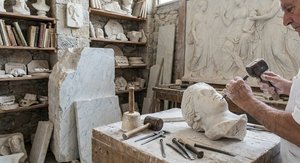
大理石的永恒遗产:技术、象征意义与艺术表达的综合探索
探索大理石雕塑的永恒魅力!深入了解其技术、象征意义与艺术表达的历史演变。从古希腊到现代,揭秘大师们的创作奥秘。OriginalUniqueArt提供手工油画复制和专业艺术咨询服务,助您领略经典之美。
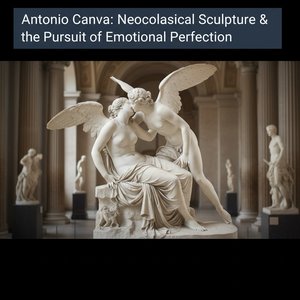
Antonio Canova: Neoclassical Sculpture & the Pursuit of Emotional Perfection
Explore the life & art of Antonio Canova, the greatest Neoclassical sculptor. Discover his masterpieces, innovative techniques, and lasting influence on fine art collecting. Expert insights for discerning investors.
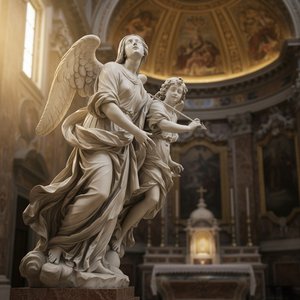
Gian Lorenzo Bernini: Sculpting Baroque Emotion & the Roman Imagination
Explore the life & revolutionary art of Gian Lorenzo Bernini, the master sculptor of the Baroque era. Discover his iconic works like David and Ecstasy of Saint Teresa – a journey into Roman artistic genius.

