
 实景预览
实景预览
 分享
分享 分享
分享
 详情
详情 指南
指南

 下载作品
下载作品
 相似作品
相似作品 X射线
X射线 幻灯片播放
幻灯片播放 问答
问答 统计数据
统计数据The Concert

- 91.0 x 91.0 cm


 展开全文
展开全文
艺术微喷/版画
博物馆级艺术微喷或帆布版画,制作高效,并提供多种饰面选择。 ( 订购纯手工绘制画作 切换至数字图像销售渠道)




P118B ¥10

P118H ¥10

P118W ¥10

P438Z ¥10

P508JH ¥12

P508YH ¥12

P805H ¥10

P805Z ¥10

P919BZ ¥10

P919G ¥10

P919XJ ¥10

P959ZH ¥10

P968JZ ¥12

W106C ¥8

W218G ¥10

W218JH ¥8

W218Y ¥10

W307PJ ¥10

W316G ¥10

W316PJ ¥8

W316Y ¥10

W398PJ ¥8

W4111J ¥10

W500HY ¥15

W500JH ¥15

W692G ¥12

W849H ¥8

W940BG ¥15

W953PJ ¥8




您可以从与原作比例一致的预设尺寸中进行选择。

请输入您所需的宽度和高度,以适配您的画框或墙面。由于印刷品只能进行裁剪,无法超出原图尺寸,因此若比例不一致,画面的一部分将会被裁切。在正式印刷之前,我们会为您发送一份数字效果图供您确认。本页面显示的图片并非最终裁剪后的效果——只有效果图才能展示真实的裁剪情况。


 玻璃选项仅适用于110厘米以下的尺寸。

The Concert
艺术微喷/版画
复刻品尺寸
-


最终结算价
¥ 544
The Concert: A Baroque Tableau of Musical Harmony
Callisto Piazza da Lodi’s “The Concert,” painted in 1528, isn't merely a depiction of musicians; it’s a vibrant distillation of the Renaissance ideal – a celebration of harmony, beauty, and the transformative power of music. This oil painting, now housed within the Museum of Art in Philadelphia, transports us to a richly appointed salon, brimming with activity and radiating an atmosphere of joyous performance. Piazza masterfully captures a pivotal moment where sound coalesces into visual spectacle, inviting the viewer to become a silent participant in this opulent scene.
The composition is immediately arresting, dominated by the central figure of a woman playing a lute – a symbol of refined artistry and intellectual pursuit during the era. She’s not simply performing; she embodies grace and poise, her posture suggesting both concentration and delight. Around her swirl other musicians: a man with a pipe, another skillfully manipulating a flute, and a young woman lost in the melody of her cello. The arrangement is deliberately crowded, creating an intimate space where each figure seems to be engaged in a shared experience. The inclusion of instruments like the recorder and lyra da braccio speaks to the diverse musical landscape of Northern Italy at the time – a region renowned for its vibrant musical traditions.
A Masterclass in Brescian Baroque Style
Piazza’s work firmly establishes itself within the burgeoning Brescian school of painting, a movement characterized by its dramatic lighting, rich colors, and meticulous attention to detail. Influenced heavily by Romanino and Moretto, Piazza inherits their penchant for dynamic compositions and a heightened sense of theatricality. The artist skillfully employs linear perspective, subtly flattening the background to draw our focus onto the performers. Notice how the figures are rendered with carefully defined lines, creating a sense of volume and texture – the folds of their robes, the sheen of their instruments, and the delicate details of their faces all contribute to an incredibly tactile quality.
Technically, Piazza demonstrates a sophisticated understanding of oil painting techniques. He utilizes layering—glazing—to build up color gradually, achieving remarkable depth and luminosity. The use of chiaroscuro – dramatic contrasts between light and shadow – is particularly effective in highlighting the central figure and creating a sense of drama. The textures are incredibly rich; you can almost feel the velvet of the robes, the polished wood of the instruments, and the warmth of the candlelight illuminating the scene.
Symbolism and the Language of Music
Beyond its aesthetic merits, “The Concert” is laden with symbolic meaning. The lute, a prominent instrument in the composition, represents not only musical skill but also intellectual refinement and artistic expression. The presence of multiple instruments signifies the diverse elements that contribute to a harmonious whole – music, intellect, and social interaction. The woman’s headdress, resembling a halo, subtly alludes to the divine inspiration behind music, suggesting that it is a gift from God.
Furthermore, the scene itself can be interpreted as an allegory for the pursuit of knowledge and enlightenment. Music, in this context, becomes a metaphor for understanding – a means of unlocking the secrets of the universe and achieving spiritual harmony. The joyous atmosphere of the performance reflects the belief that beauty and truth are intertwined, and that art has the power to elevate the human spirit.
A Timeless Echo of Renaissance Grandeur
“The Concert” by Callisto Piazza da Lodi is more than just a painting; it’s a window into a bygone era – a testament to the artistic achievements of the Brescian school and a celebration of the enduring power of music. Its vibrant colors, dynamic composition, and rich symbolism continue to captivate viewers centuries after its creation. Reproductions of this masterpiece offer an opportunity to bring this moment of Baroque grandeur into your own space, allowing you to experience firsthand the beauty and harmony that Piazza so skillfully captured on canvas.
常见问题与解答
"The Concert" 属于 Callisto Piazza da Lodi 艺术生涯中的哪个时期?
在Callisto Piazza da Lodi的艺术生涯中,"The Concert"创作于Mature Period时期。这一阶段有助于将其与艺术家的其他作品进行比较。
"The Concert" 的整体色调有多明亮?
Callisto Piazza da Lodi 的《The Concert》 的视觉亮度为 deep_shadow,能够与目标空间的灯光完美融合。
我能否更详细地查看“The Concert”?
Callisto Piazza da Lodi 的《The Concert》 的 X 光视图可在作品的 X射线透视 页面查看:通过十一层光学图层对图像进行交互式深度解析。
艺术家简介
The Legacy of Callisto Piazza da Lodi
In the vibrant tapestry of the Italian Renaissance and the burgeoning Baroque era, few names capture the essence of Lombardy’s artistic transition quite like Callisto Piazza da Lodi. Born in the historic city of Lodi around 1500, Piazza emerged as a pivotal figure within the Brescian school, a movement that would eventually redefine the visual language of Northern Italy. His life and work serve as a bridge between the meticulous, refined elegance of the Ferrarese tradition and the dramatic, emotive power of the Brescian masters. Though historical records offer only glimpses into his private years, his brushwork reveals a man deeply attuned to the shifting currents of 16th-century culture, where humanist ideals and papal patronage breathed new life into religious and secular iconography alike.
The foundations of Piazza’s mastery were likely laid within the fertile ground of a family of painters. The Piazza clan established a significant presence in Brescia, creating a workshop environment that functioned as both a sanctuary for tradition and a laboratory for innovation. It is widely believed by scholars that his early training was shaped by the influence of Ludovicto Mazzolino of Ferrara, whose style brought a certain jewel-like precision and intricate detail to the canvas. This Ferrarese influence, blended with the subtle nuances of Giovanni Agostino da Lodi, allowed Piazza to develop a technique that balanced delicate ornamentation with a growing interest in the atmospheric depth and light-play that would become hallmarks of his mature period.
A Master of Light and Brescian Drama
As his career progressed, Piazza became deeply embedded in the artistic soul of Brescia, a city that was then undergoing a profound stylistic evolution. He operated within a collective spirit, contributing to a body of work that embraced the revolutionary chiaroscuro effects championed by contemporaries such as Gian Battista Romanino. This mastery of light and shadow allowed him to imbue his religious frescoes and altarpieces with a sense of palpable presence and spiritual weight. His compositions often moved away from static, iconographic arrangements toward more dynamic, narrative-driven scenes that invited the viewer into a shared emotional space.
The development of his style can be observed through several key artistic pillars:
- The Integration of Chiaroscuro: Utilizing dramatic contrasts to create volume and a sense of theatrical movement within sacred narratives.
- Ferrarese Precision: Retaining a meticulous attention to detail and fine textures, a remnant of his early stylistic influences.
- Lombard Naturalism: A commitment to depicting figures and landscapes with an earthy, grounded realism that resonated with the Brescian aesthetic.
- Architectural Grandeur: His ability to execute large-scale frescoes that harmonized seamlessly with the ecclesiastical architecture of Northern Italy.
Historical Significance and Artistic Endurance
The historical importance of Callisto Piazza da Lodi lies not only in his individual achievements but in his role as a conduit for regional artistic identity. By synthesizing the refined elegance of the Ferrarese school with the rugged, emotive energy of the Brescian movement, he helped forge a distinct visual dialect that would influence generations of Lombard painters. His commissions, ranging from intimate devotional works to expansive religious frescoes, reflect the broader socio-political landscape of 16th-century Italy, where art served as both a tool for spiritual instruction and a symbol of civic prestige.
Though the passage of centuries has obscured some of the finer details of his biography, the enduring impact of his oeuvre remains visible in the way light interacts with form in the works of his successors. Piazza’s ability to capture the divine within the human experience—through the careful application of pigment and the strategic use of shadow—ensures his place in the pantheon of Italian masters. He remains a vital subject for any student of the Renaissance, representing a moment in time when the boundaries of art were being pushed toward the dramatic brilliance of the Baroque.
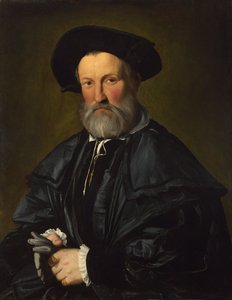
Callisto Piazza da Lodi
1500 - 1561 , Italy
艺术家简介
- Full Name: Callisto Piazza da Lodi
- Nationality: Italian
- Date Of Birth: 1500
- Date Of Death: 1561
- Place Of Birth: Lodi, Italy
- Notable Artworks:
- The Concert
- St Catherine of Alexandria
- Madonna and Child
- Artistic Movement Or Style: Brescian Style
- Artists Who Influenced This Artist:
- Romanino
- Moretto
- Dosso Dossi
- Ludovico Mazzolino
- Artists Or Movements Influenced By This Artist: ['Romanino']
相关文章

达芬奇25幅杰作:艺术、科学与永恒的辉煌 | OriginalUniqueArt
探索达芬奇25幅杰作!深入了解文艺复兴大师列奥纳多·达·芬奇的艺术传奇,欣赏《蒙娜丽莎》、《最后的晚餐》等经典绘画。OriginalUniqueArt.com提供博物馆级复制品和家居装饰灵感。在线探索完整系列!

巴洛克艺术巅峰:十部巨作定义时代,点亮您的臻品格调
探索巴洛克艺术的辉煌!本文精选十部巨作,带您领略卡拉瓦乔、伦勃朗等大师的光影魔法与戏剧张力。从黄金时代到宗教绘画,感受奢华与精致。OriginalUniqueArt.com为您提供博物馆品质的艺术复制品和家居装饰灵感。尽在OriginalUniqueArt.com!

巴洛克戏剧性:将辉煌与情感融入当代室内设计
探索巴洛克艺术的辉煌与奢华!OriginalUniqueArt提供精湛的手工油画复制、定制服务和专业艺术咨询,助您将经典作品融入当代室内设计,提升家居品味。投资艺术,传承价值。

Drama and Light: A Definitive Guide to the Italian Baroque Masterpieces and the Revolution of Chiaroscuro
Explore the dramatic world of Italian Baroque art. Discover how masters like Caravaggio used chiaroscuro and tenebrism to revolutionize painting through light, shadow, and profound realism. A definitive guide for history lovers and art collectors.

Leonardo da Vinci: A Renaissance Master’s Synthesis of Art, Science & Human Observation – Reinterpreted for the Collector
Explore Leonardo da Vinci’s timeless masterpieces with OriginalUniqueArt. Discover insights into his art, science, and legacy – trusted expertise for discerning collectors seeking authentic reproductions & investment opportunities.