
 实景预览
实景预览
 发送
发送 分享
分享
 详情
详情 指南
指南

 下载图片
下载图片
 相似作品
相似作品 X射线
X射线 幻灯片播放
幻灯片播放 统计数据
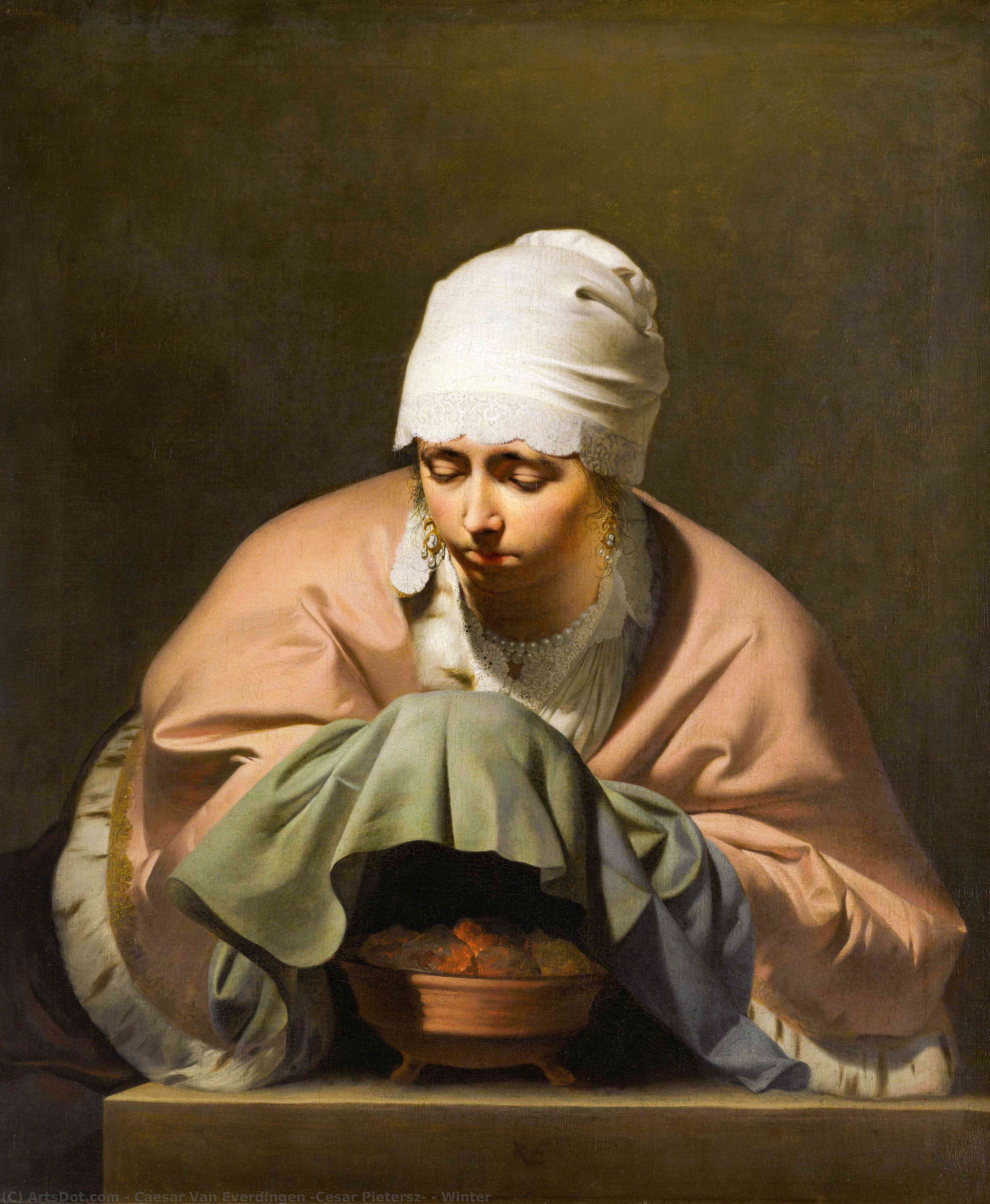
统计数据Winter
 Oil On Canvas
- WallArt
- Dutch Golden Age
 1646
1646- Early Modern
 97.0 x 81.0 cm
 国家博物馆 (Rijksmuseum)
 阅读全文
阅读全文
艺术微喷/版画
博物馆级艺术微喷或帆布版画,制作高效,并提供多种饰面选择。 ( 订购此收藏品的纯手工复刻画作 切换至数字图像销售渠道)




P118B ¥10

P118H ¥10

P118W ¥10

P438Z ¥10

P508JH ¥12

P508YH ¥12

P805H ¥10

P805Z ¥10

P919BZ ¥10

P919G ¥10

P919XJ ¥10

P959ZH ¥10

P968JZ ¥12

W106C ¥8

W218G ¥10

W218JH ¥8

W218Y ¥10

W307PJ ¥10

W316G ¥10

W316PJ ¥8

W316Y ¥10

W398PJ ¥8

W4111J ¥10

W500HY ¥15

W500JH ¥15

W692G ¥12

W849H ¥8

W940BG ¥15

W953PJ ¥8




您可以从与原作比例一致的预设尺寸中进行选择。

请输入您所需的宽度和高度,以适配您的画框或墙面。由于印刷品只能进行裁剪,无法超出原图尺寸,因此若比例不一致,画面的一部分将会被裁切。在正式印刷之前,我们会为您发送一份数字效果图供您确认。本页面显示的图片并非最终裁剪后的效果——只有效果图才能展示真实的裁剪情况。


 玻璃选项仅适用于110厘米以下的尺寸。

Winter
艺术微喷/版画
复刻品尺寸说明
-


总计金额
¥ 538
A Whisper of Winter's Stillness
To gaze upon Caesar Van Everdingen’s Winter is to step directly into the hushed, contemplative atmosphere of the Dutch Golden Age. This painting, executed in 1646, transcends a mere depiction of a season; it captures an ephemeral moment—a pause in the rhythm of daily life under the soft dominion of winter's breath. The composition immediately draws the eye to the central figure: a young woman whose presence is both delicate and profound. Clad in attire that speaks of quiet dignity, she holds forth a bowl, suggesting sustenance or perhaps a symbolic offering. The entire scene is imbued with a sense of gentle melancholy, inviting the viewer to slow their own hurried pace and simply observe.
Mastery of Light and Domestic Intimacy
Technically, the work showcases Van Everdingen’s remarkable skill in handling oil on canvas. While the subject matter hints at elements of still life—the bowl, the table setting—the narrative weight is carried by the human element. Notice how the artist employs light not just to illuminate, but to sculpt. The background recedes into a rich, dark depth, allowing the illuminated figures and objects in the foreground to emerge with startling clarity. This dramatic interplay of chiaroscuro, so characteristic of the period, gives the painting an almost three-dimensional presence. It is a masterclass in rendering texture—from the soft drape of the white veil to the implied smoothness of the table cloth.
Symbolism Woven into the Scene
The symbolism within Winter is rich and layered, inviting endless scholarly contemplation. The season itself often represents dormancy, reflection, or a necessary period of rest before renewal. Paired with the domestic setting and the offering in the bowl, one might interpret this as a meditation on provision, endurance, or perhaps even the passage of time itself. The young woman acts as a conduit for these deeper themes; her quiet demeanor suggests an inner life unfolding against the backdrop of seasonal change. For the collector or decorator, this depth means the piece offers more than mere decoration—it offers conversation.
Echoes of Dutch Golden Age Grandeur
Caesar Pietersz van Everdingen was a painter deeply rooted in the traditions and advancements of his time. His ability to blend historical narrative with intimate genre scenes marks him as a significant figure. Owning a reproduction of Winter allows one to bring the sophisticated aesthetic of 17th-century Dutch art into a contemporary space. It speaks to an appreciation for meticulous detail, skilled craftsmanship, and the profound humanism that defined the Golden Age. Whether placed in a formal drawing-room or a thoughtfully curated study, this artwork promises an immediate elevation of ambiance, wrapping any room in a cloak of timeless, artistic elegance.
艺术家简介
光影与线条的传承:凯撒·范·埃弗丁根的一生
在荷兰绘画的黄金时代,光与影的交织定义了一个国家的视觉灵魂,而凯撒·范·埃弗丁根(Caesar van Everdingen)正是在这一背景下脱颖而出,成为捕捉细腻情感与大气深度的艺术大师。他于1616年左右出生在荷兰历史悠久的阿尔克马尔市,其艺术生涯与家族显赫的传承紧密相连。尽管在艺术史的讨论中,他常与成名的兄弟阿拉特(Allart)和扬(Jan)并提,但凯撒却在荷兰黄金时代中开辟了属于自己的独特天地。早年在乌得勒支师从德高望重的扬·格里茨·范·布隆霍斯特(Jan Gerritsz van Bronckhorst),这段经历为他奠定了严谨的古典美学基础,赋予了他一种精准的笔触,使他日后能够超越单纯的技术磨练,实现真正的艺术远见。
1632年,随着他正式加入阿尔克马尔的画家公会,他的职业生涯开始稳步攀升。在这些成长期中,他的作品集以细致入微的人物肖像和充满感染力的风俗场景为特征,这些创作需要对人类生存状态进行深刻而敏锐的观察。然而,随着才华的成熟,他的艺术抱负也随之扩张。他不再局限于写实的描摹,而是开发出一种独特的技艺,通过操控笔触来捕捉光影转瞬即逝的细微差别以及空气中弥漫的厚重感。这种演变标志着他从一名技艺精湛的匠人,蜕变为一位能够为画布注入生命的远见画家。
哈勒姆岁月与宏伟抱负
1648年,范·埃弗丁根的人生迎来了关键性的篇章,他迁居到了充满活力且文化底蕴深厚的哈勒姆市。这次迁徙不仅仅是环境的更迭,更是一次向荷兰艺术核心地带的深度沉浸。通过加入声名显赫的哈勒姆圣路加公会,并活跃于民兵组织(schutterij)之中,凯撒成功地将自己融入了这座城市社会与政治精英的肌理之中。这些深厚的人脉关系,为他赢得了足以定义其历史地位的重要委约创作。
或许他职业生涯中最令人叹为观止的成就,莫过于参与了豪斯登博斯宫(Huis ten Bosch)内橙色大厅(Oranje Zaal)的装饰工作。这项宏伟的工程要求艺术家必须精通大规模的历史画创作——这种流派既需要复杂的叙事能力,又需具备宏大的空间尺度。在这一舞台上,凯撒展示了他构筑史诗场景的高超技艺,将历史的庄重感与细腻的情感触觉完美融合。他这一时期的作品展现了处理复杂构图的蓬勃能力,确保了他的名字被铭刻在荷兰的建筑艺术史册之中。
艺术成熟期与持久影响力
在晚年,凯撒回到了他的故乡阿尔克马尔,建立了一间工作室,这里成为了艺术传授的圣殿。他生命的这一阶段,充满了对精益求精的执着以及对培养新一代画家的热忱。他的晚期作品反映了他一生积累的智慧,其特征是对于天界与空灵主题持久而迷恋的探索。他因描绘带翼的人物——天使与神圣生物——而闻名遐迩,这些形象通过柔和的笔触呈现,仿佛暗示着崇高境界的存在。
凯撒·范·埃弗丁根的意义不仅在于他个人的传世杰作,更在于他扮演了连接17世纪早期严谨传统与随后出现的更具情感化、氛围感风格的桥梁。他能够将荷兰肖像画的精准度与历史叙事的宏大感融为一体,这至今仍是他艺术多面性的有力证明。时至今日,他的作品依然是窥探荷兰黄金时代灵魂的重要窗口,提醒着我们:在那个时代,每一笔触都是试图在转瞬即逝的表象中捕捉永恒的尝试。

凯撒·范·埃弗丁恩
1616 - 1678
快速概览
- Artistic Movement Or Style: 肖像与历史画
- Artists Who Influenced This Artist: ['Jan Gerritsz van Bronckhorst']
- Date Of Birth: 1616/17
- Date Of Death: 1678
- Full Name: Cesar Pietersz van Everdingen
- Nationality: 荷兰
- Notable Artworks:
- 维图努斯与波莫纳
- 双手取暖的年轻女子
- Place Of Birth: 荷兰,阿尔克马尔
相关文章

光影交织的时代:荷兰黄金时代绘画艺术的兴盛与创新
深入探索荷兰黄金时代的绘画艺术:伦勃朗、维米尔等大师的技法与创新,了解巴洛克风格的独特演绎。OriginalUniqueArt提供手绘油画复制、艺术咨询及收藏建议,助您领略经典艺术之美。

Golden Light & Dutch Skies: Bringing the Magic of Dutch Golden Age Landscapes into Your Home
Transform your home with the breathtaking light of Dutch Golden Age landscapes. Discover how hand-painted oil reproductions of masterworks like Ruisdael and Vermeer bring timeless elegance, atmosphere, and soulful texture to modern interiors. Elevate your space with museum-quality art.

荷兰黄金时代:十幅定义艺术史的巨作 | OriginalUniqueArt
探索荷兰黄金时代的艺术巅峰! 伦勃朗、维米尔等大师名作,带您领略巴洛克艺术的辉煌。高清画作、博物馆级品质,点亮您的家居空间。OriginalUniqueArt.com 提供精选艺术复制品和定制装饰方案。立即在线探索全系列!
Abraham Hendricksz van Beyeren: Pioneering Dutch Still Life & the Banquet Tradition
Explore the captivating world of Dutch Golden Age still life with Abraham van Beyeren. Discover his innovative techniques, symbolic banquet scenes & lasting influence on art history. Learn about collecting these masterpieces.

荷兰黄金时代绘画:文化创新中的现实主义反思
深入探索荷兰黄金时代绘画的文化创新与现实主义反思。本文解读伦勃朗、维米尔等大师的作品,并结合玛莉特·韦斯特曼的图像学研究,揭示艺术史背后的社会语境与现代性意识觉醒。