
 效果预览
效果预览
 分享
分享 分享
分享
 详情
详情

 下载
下载
 相似作品
相似作品 X射线
X射线 幻灯片播放
幻灯片播放 Stats
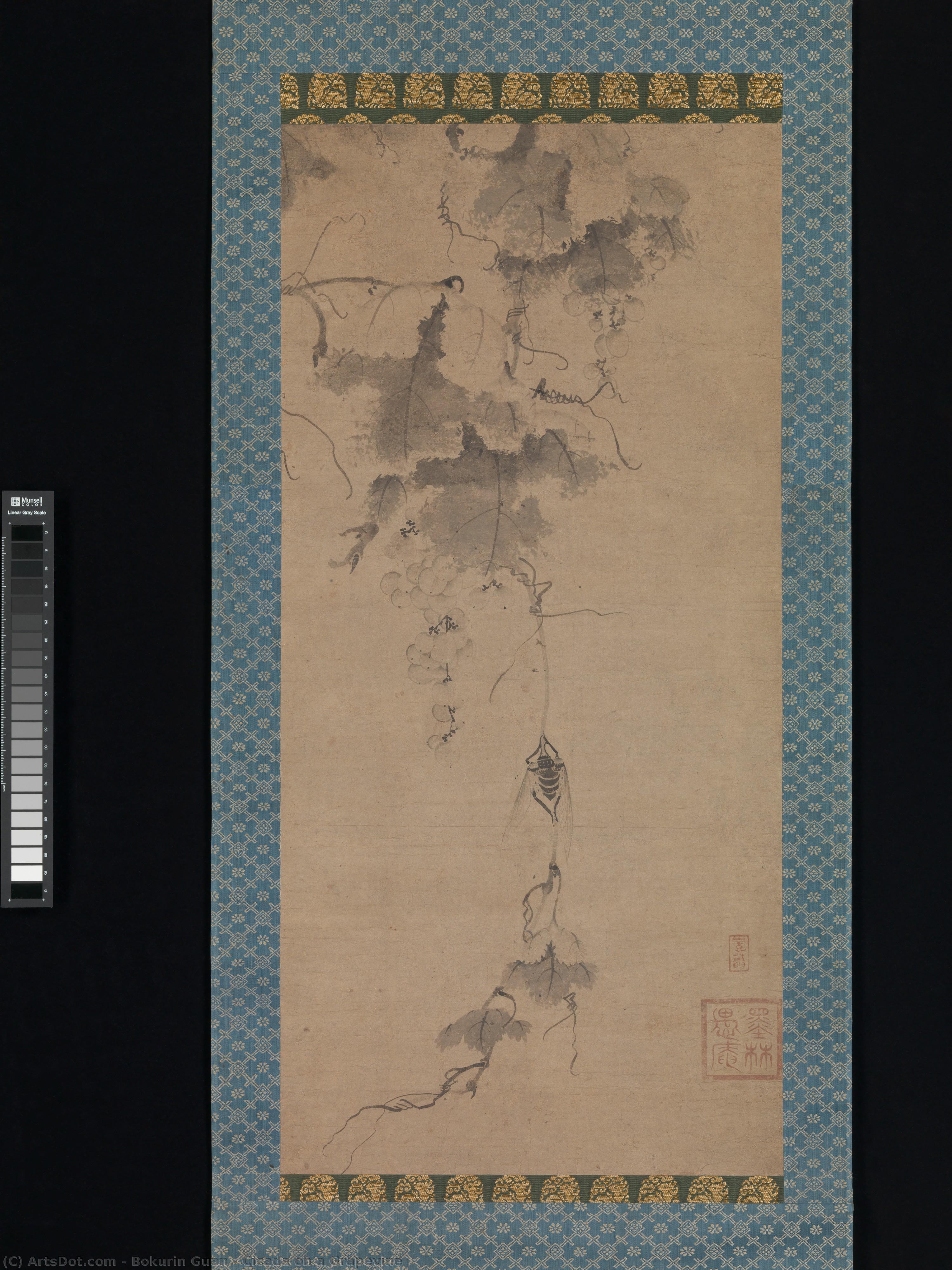
StatsCicada on a Grapevine
 Ink Painting
 301
301 64.0cm x 31.0cm
 展开详情
展开详情
购买高分辨率增强版数字图像,其品质远超在线预览。
每一份文件都由我们的内部专家使用先进工具与专业的后期润色技术精心打造。我们确保每一张图像都具备卓越的清晰度、精准的色彩还原度以及细腻的细节表现。
最终文件将在 72 小时内通过电子邮件交付,并针对专业、编辑及印刷用途进行了优化。其品质与顶级设计工作室、出版社和画廊所信赖的标准完全一致。
数字图像
下载高分辨率文件,用于个人展示、打印及创意项目。 ( Switch to Print 购买手绘画作)
每份数字图像订单均包含
专业数字图像交付,品质保障
选择 OriginalUniqueArt.com,您获得的不仅仅是一张图像——您收到的是经过专业级增强、精雕细琢的数字艺术作品,并享有满意保证。以下是您的订单中自动包含的所有内容:

邮件快速送达
您的高分辨率数字图像文件将在下单后 72 小时内通过电子邮件发送给您 —— 即可立即使用。

AI 增强型数字文件
您的艺术品经过专业优化,结合先进的 AI 技术与人工修饰,确保呈现极致的细节、清晰度与色彩准确度。

终身免费重发服务
不小心删除了文件或找不到了?没关系——我们将随时为您免费重发。

无需进口费用,始终如一
即刻拥有您的艺术作品,无需支付任何关税、税费或运费——数字下载始终免税。

色彩精准保证
我们通过专业工具与色彩管理技术,确保您的数字图像尽可能真实地还原原作色彩。

100天满意保证
如果您对所购数字图像不满意,我们将在100天内为您进行修改或提供100%的全额退款——无需任何理由。

100% 退款保证
不满意?在收到数字文件后的100天内,您可以申请全额退款——无需任何理由。

批量订单优惠
购买 3 张图片可享 10% 折扣 - 购买 5 张可享 15% 折扣 - 购买 10+ 张可享 20% 折扣。非常适合创意项目、画廊和机构使用。
A Moment of Serenity: "Cicada on a Grapevine" by Bokurin Guan
This exquisite ink painting, “Cicada on a Grapevine,” offers a captivating glimpse into 14th-century Japanese artistry. Created by the Zen monk Bokurin Guan, this monochrome masterpiece embodies the principles of *sumi-e* (ink wash painting), a revered tradition emphasizing simplicity, observation, and spiritual contemplation. The artwork depicts a solitary cicada clinging to a withered grapevine, capturing a poignant moment at the close of summer. It was originally part of a diptych; its companion piece, now housed in Kyoto’s Honpōji temple, portrays a grasshopper amidst vibrant foliage – a contrasting scene representing the peak of summer's vitality.Style and Technique: The Essence of *Sumi-e*
Bokurin Guan demonstrates remarkable skill within the *sumi-e* tradition. The painting’s power lies not in elaborate detail, but in the masterful use of ink tones to suggest form, texture, and depth. Notice how varying brushstrokes – from delicate washes to bold lines – create a sense of movement and life despite the monochromatic palette. The artist's controlled handling of the brush reveals a disciplined technique honed through rigorous training. The subtle gradations of grey evoke the fading light of late summer, contributing to the painting’s overall mood of quiet reflection.- Monochrome Palette: The exclusive use of black ink emphasizes form and texture over color.
- Brushwork: A variety of brushstrokes create depth, movement, and a sense of spontaneity.
- *Sumi-e* Tradition: Rooted in Zen Buddhism, this style prioritizes simplicity and capturing the essence of nature.
Symbolism & Historical Context: Perpetuity and Zen Philosophy
Beyond its aesthetic beauty, "Cicada on a Grapevine" is rich with symbolic meaning. Grapevines, laden with fruit, have long been associated in East Asian cultures with fecundity, abundance, and the concept of perpetuity – an enduring cycle of life, death, and rebirth. The cicada itself holds significant cultural weight; its emergence from the earth after years spent underground symbolizes transformation and immortality. The pairing of these elements within a Zen Buddhist context suggests a meditation on impermanence and the cyclical nature of existence. Living in the late 14th century, Guan’s work reflects the artistic trends of the Muromachi period, characterized by a shift towards more naturalistic depictions and an increased emphasis on individual expression within established traditions. While little is definitively known about Bokurin Guan himself, his painting speaks volumes about his understanding of Zen principles and his keen observation of the natural world.Emotional Impact & Decorative Appeal
"Cicada on a Grapevine" evokes a sense of tranquility and contemplative stillness. The solitary cicada, poised against the backdrop of the fading vine, invites quiet reflection on the passage of time and the beauty of impermanence. This piece is not merely a depiction of nature; it's an invitation to mindfulness. As a decorative element, this reproduction would be stunning in a variety of settings – from minimalist modern spaces to traditional Japanese-inspired interiors. Its understated elegance and timeless appeal make it a captivating addition to any art collection or home décor scheme. The muted tones lend themselves well to both light and dark color palettes, creating a harmonious visual balance within the room.艺术家简介
A Moment Frozen in Time: Bokurin Guan and the Legacy of Cicada on a Grapevine
The late Nanbokuchō period (1336–92) witnessed a flourishing artistic landscape in Japan, marked by intricate detail and profound contemplation. Amidst this vibrant scene emerged Bokurin Guan (墨林愚庵筆), an artist whose singular masterpiece – “Cicada on a Grapevine” – continues to resonate with scholars and admirers alike. While biographical details surrounding Guan remain elusive, his work speaks volumes about the artistic sensibilities of his era and establishes him as a pivotal figure in Japanese ink painting tradition.- Early Life & Artistic Training: Precise information regarding Guan’s birthdate and formative years is scarce. However, he was recognized as a student of Sesshu Toyokuni (西十字豊國), arguably Japan's most influential painter of the Nanbokuchō period. Sesshu championed a minimalist aesthetic rooted in Zen Buddhism—a philosophy that profoundly impacted Guan’s artistic vision.
- The Cicada on a Grapevine: This small but monumental painting, housed at The Metropolitan Museum of Art, exemplifies Guan's mastery of technique and his ability to distill complex ideas into deceptively simple forms. Executed in delicate ink wash (sumi-e), the scene depicts a single cicada clinging to a withered grapevine branch against a pale grey background. The composition is remarkably balanced, prioritizing spatial harmony over dramatic gesture.
- Influence & Legacy: Bokurin Guan’s “Cicada on a Grapevine” stands as a testament to the enduring power of minimalist aesthetics and contemplative observation. It has served as an inspiration for subsequent generations of ink painters, who sought to emulate Guan's serene style and profound understanding of Zen philosophy.
- Historical Significance: Guan’s work embodies the spirit of his time—a period marked by political instability yet simultaneously characterized by a deep appreciation for natural beauty and spiritual contemplation. “Cicada on a Grapevine” remains a cornerstone of Japanese art history, demonstrating that true artistic achievement lies not in grand spectacle but in capturing the essence of existence with understated grace.

bokurin guan
Japan
基本信息
- Artistic Movement Or Style: Ink Painting
- Full Name: bokurin guan
- Nationality: Japanese
- Notable Artworks: ['Cicada on a Grapevine']
- Place Of Birth: Tokyo, Japan