

 实景预览
实景预览
 发送
发送 分享
分享
 详情
详情 指南
指南

 下载图片
下载图片
 相似作品
相似作品 X射线
X射线 幻灯片播放
幻灯片播放 统计数据
统计数据date unknown (king III)
 Painting
- WallArt
- Cubism
 Modern
 10.0 x 10.0 cm
 Pallant House Gallery
 阅读全文
阅读全文
艺术微喷/版画
博物馆级艺术微喷或帆布版画,制作高效,并提供多种饰面选择。 ( 订购此收藏品的纯手工复刻画作 切换至数字图像销售渠道)




P118B ¥10

P118H ¥10

P118W ¥10

P438Z ¥10

P508JH ¥12

P508YH ¥12

P805H ¥10

P805Z ¥10

P919BZ ¥10

P919G ¥10

P919XJ ¥10

P959ZH ¥10

P968JZ ¥12

W106C ¥8

W218G ¥10

W218JH ¥8

W218Y ¥10

W307PJ ¥10

W316G ¥10

W316PJ ¥8

W316Y ¥10

W398PJ ¥8

W4111J ¥10

W500HY ¥15

W500JH ¥15

W692G ¥12

W849H ¥8

W940BG ¥15

W953PJ ¥8




您可以从与原作比例一致的预设尺寸中进行选择。

您可以输入自定义尺寸,以适配特定的画框或空间。如果您选择的尺寸与原图比例不符,我们将对作品进行裁剪,或通过镜像填充/纯色填充边缘的方式来扩展图像。在开始制作之前,我们会向您发送一份数字效果图供您确认。
请注意,屏幕上的预览并不能反映实际的裁剪或扩展效果。只有效果图才能准确展示最终的构图。
虽然我们提供定制尺寸,但为了保持原图比例,我们建议您从预设列表中选择尺寸。


 玻璃选项仅适用于110厘米以下的尺寸。

date unknown (king III)
艺术微喷/版画
复刻品尺寸说明
-


总计金额
¥ 538
A Royal Encounter in Miniature
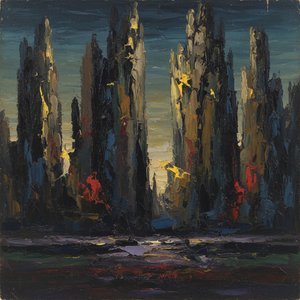
In the intimate dimensions of this captivating work, titled date unknown (king III), we are invited into a world that feels both profoundly personal and grandly mythic. At first glance, the viewer is met with the striking presence of a figure draped in an ornate black robe, a garment that carries the weight of sovereignty and mystery. The subject sits in a moment of quiet contemplation, his gaze fixed upon something unseen by the observer, creating an immediate sense of narrative tension. A crown rests upon his head, signaling a royal status, yet there is a startling, modern edge to this ancient archetype: a delicate star tattoo adorns his face, bridging the gap between historical majesty and contemporary rebellion. This juxtaposition of the classical and the avant-garde creates a magnetic pull, making the piece an irresistible focal point for any collection that values storytelling through unexpected visual contrasts.
The composition is masterfully balanced, utilizing small, symbolic elements to expand the perceived space within its 10 x 10 cm frame. The man holds a cup with a steady hand, a gesture that suggests a ritualistic or perhaps even a solitary moment of reflection. In the periphery, two additional cups are strategically placed—one near the upper left and another toward the bottom right—creating a subtle diagonal movement that guides the eye across the canvas. This arrangement does more than just fill the space; it establishes a rhythmic geometry that echoes the precision found in the works of the artist's contemporaries. The interplay between the dark, heavy textures of the robe and the lighter, atmospheric background allows the subject to emerge with a sculptural quality, as if he were stepping out from the shadows of history into the light of the present.
The Legacy of Modernist Precision
While the subject matter of this piece evokes a sense of portraiture, the underlying spirit is deeply rooted in the transformative era of British Modernism. The artist, Ben Nicholson, was a pioneer who navigated the delicate boundary between representational imagery and pure abstraction. In this work, we see the echoes of his fascination with geometric precision—a sensibility he famously honed through his appreciation for the movement and structure of billiards. Even when depicting a figure, there is an unmistakable focus on form, spatial ambiguity, and the way light interacts with surface texture. The technique employed here suggests a profound understanding of how color and shape can evoke emotional resonance without relying solely on literal depiction.
For the discerning collector or interior designer, this reproduction offers more than just a beautiful image; it offers a piece of art history. It captures the essence of an era where artists like Nicholson, Paul Nash, and Stanley Spencer were redefining the trajectory of Western art. The emotional impact of the work lies in its ability to provoke curiosity—to make the viewer wonder about the identity of this "King III" and the meaning behind his star-marked skin. Whether placed in a minimalist modern gallery or integrated into a richly textured classical study, this painting serves as a sophisticated conversation starter, embodying the timeless allure of mystery, power, and the enduring human spirit.
问答详情
哪里可以买到本·尼科尔森 的《date unknown (king III)》的手绘复制品?
本·尼科尔森 的《date unknown (king III)》 的手绘复制品可在 本网站 购买:亚麻画布手工绘制油画复制品,请通过 本页 进行订购。
本·尼科尔森 的《date unknown (king III)》 的视觉明亮度如何?
就视觉亮度而言,本·尼科尔森 的《date unknown (king III)》 呈现出 deep_shadow 的效果。
本·尼科尔森 的《date unknown (king III)》 传达了怎样的情感?
在“date unknown (king III)”中,Serene 的氛围伴随着 Reflective 的情感。
如何购买 本·尼科尔森 的《date unknown (king III)》 的版画?
您可以在 本页 直接订购 本·尼科尔森 的《date unknown (king III)》 的版画:采用棉质帆布或档案级画布纸制作的艺术版画。
本·尼科尔森 的《date unknown (king III)》 的对比度如何?
本·尼科尔森 的《date unknown (king III)》 的对比度为 Serene。
本·尼科尔森 的《date unknown (king III)》 的创作媒介与尺寸是多少?
《date unknown (king III)》采用Painting创作,原件尺寸为10 x 10 cm。
“date unknown (king III)”被归于哪位艺术家名下?
《date unknown (king III)》被归为本·尼科尔森的作品。
艺术家简介
本·尼科尔森 OM:抽象艺术的一生
- 出生:1894年4月10日,英国白金汉郡丹汉姆
- 逝世:1982年2月6日,英国伦敦
早年生活与艺术训练
- 本·尼科尔森出生于一个充满艺术气息的家庭;他的父亲威廉·尼科尔森爵士与母亲梅贝尔·普赖德皆为造诣深厚的画家。这种熏陶使他自幼便对艺术怀有深刻的鉴赏力。
- 他在泰滕汉加·洛奇预备学校、西福德、汉普斯特德的赫登法院以及诺福克郡霍尔特的格雷舍姆学校接受了早期的教育。
- 尼科尔森随后在斯莱德美术学院(1910-1911)接受了正式的学习,在那里,他与保罗·纳什、斯坦利·斯宾塞、马克·格特勒和爱德华·沃兹沃斯等著名艺术家并肩成长。逸闻记载,他在这一时期曾花费大量时间打台球,并从这项运动的几何结构与动态美感中发现了独特的审美趣味。
艺术发展与影响
- 早期作品:尼科尔森最初的艺术尝试侧重于自然主义静物画,深受其父绘画风格的影响。
- 立体主义的影响:大约在1926年,他开始探索抽象领域,这在很大程度上受到了综合立体主义以及毕加索作品的启发。
- 新造型主义与原始主义风格:与皮特·蒙德里安的会面让他接触到了新造型主义,而与亨利·卢梭的相遇则激发了他对原始主义风格的兴趣。这些影响深刻地塑造了他的艺术走向。
- 关键艺术运动:尼科尔森积极参与了当时多个重要的艺术运动,包括他曾担任主席的“七人与五人协会”(Seven and Five Society)、“单位一”(Unit One)以及“抽象创作”(Abstraction-Création)组织。
主要作品与艺术风格
- 浮雕作品:尼科尔森以其始于1933年的抽象浮雕而闻名遐迩。这些作品将绘画与雕塑元素巧妙结合,创造出一种独特的视觉体验。其中,1930年代中期的白色浮雕被公认为他最卓越的成就之一。
- 静物与风景:尽管以抽象艺术著称,尼科尔森也创作了引人入胜的静物画与风景画,作品中常融入几何形态与柔和的色调。
- 尼科尔森墙:其著名的公共艺术作品包括为萨里郡吉尔福德萨顿广场花园创作的壁画“尼科尔森墙”,这体现了他坚信抽象艺术应当面向更广泛受众的理念。
- 材料与技法:他热衷于实验各种材料与技法,包括油彩、铅笔、碎石和美耐板,并经常以创新的方式将它们融合在一起。
遗产与历史地位
- 英国现代艺术:本·尼科尔森被公认为英国现代艺术的关键人物,为抽象艺术及浮雕雕塑的发展做出了巨大贡献。
- 国际认可:他的作品赢得了国际赞誉,曾在威尼斯双年展等顶级艺术殿堂展出,并在全球各大博物馆举办回顾展。他曾获得多项殊荣,包括1968年的功绩勋章(Order of Merit)。
- 拍卖纪录:尼科尔森的画作在拍卖会上屡创高价,彰显了其艺术价值与历史重要性。例如,《1953年9月(巴利阿里)》于2011年在纽约佳士得拍出1,650,500美元;而《小提琴与西班牙吉他》则在2012年巴黎佳士得拍得3,313,000欧元。
- 对后世艺术家的影响:尼科尔森在抽象领域的前瞻性探索,以及他对形式与空间的深刻挖掘,持续影响着一代又一代的艺术家。

本·尼科尔森
1894 - 1982 , 英国
快速概览
- Artistic Movement Or Style:
- 抽象艺术
- 立体主义
- 构成主义
- Artists Who Influenced This Artist:
- 亨利·卢梭
- 皮特·蒙德里安
- 巴勃罗·毕加索
- 塞尚
- Date Of Birth: 1894年4月10日
- Date Of Death: 1982年
- Full Name: 本·尼科尔森 OM
- Nationality: 英国
- Notable Artworks:
- 1953年9月 (巴利阿里)
- 小提琴与西班牙吉他
- 1946 (静物)
- Place Of Birth: 英国伦敦
相关文章

几何抽象艺术十大杰作:定义现代家居装饰的经典之作
探索几何抽象艺术的十大杰作!康定斯基、蒙德里安等大师作品,色彩构成与非具象之美。OriginalUniqueArt.com提供博物馆级艺术复制品,为您的家居带来现代艺术灵感。立即在线探索完整系列!

Kandinsky's Masterpieces: 25 Paintings That Define Abstract Art | OriginalUniqueArt
Journey through Wassily Kandinsky's 25 most iconic abstract paintings. Explore his revolutionary use of color, form & spiritual expressionism. Find museum-quality Kandinsky reproductions and elevate your home decor with OriginalUniqueArt.com. Discover all masterpieces on OriginalUniqueArt.com!
Clyfford Still's Abstract Expressionism: A Study of Color, Form & the Existential Landscape
Explore the profound world of Clyfford Still's Abstract Expressionism with OriginalUniqueArt. Discover his unique style, existential themes & investment potential. Expert analysis for discerning collectors.

Neo-Abstract Art: The High-Impact Evolution of Modern Visual Energy and Geometric Sophistication
Discover the power of Neo-Abstract art. Explore how bold geometric forms and high-impact visual energy are redefining modern design. Learn to curate sophisticated, high-energy spaces with the latest trends in contemporary abstraction and structural color.

Ben Nicholson OM: Modernism's Abstract Pioneer & the Poetics of Relief
Explore the revolutionary abstract art of Ben Nicholson OM. Discover his geometric masterpieces, collaborations with Barbara Hepworth & investment potential. Expert insights for collectors.

