

 效果预览
效果预览
 购买手绘画作
 分享
分享 分享
分享
 详情
详情

 下载
下载
 相似作品
相似作品 X射线
X射线 幻灯片播放
幻灯片播放Bacchus and a Drinker
 Oil On Canvas
- WallArt
- Baroque
 1500
1500 132.0 x 96.0 cm
 国家美术馆
国家美术馆
 展开详情
展开详情




P118B $10

P118H $10

P118W $10

P438Z $10

P508JH $12

P508YH $12

P805H $10

P805Z $10

P919BZ $10

P919G $10

P919XJ $10

P959ZH $10

P968JZ $12

W106C $8

W218G $10

W218JH $8

W218Y $10

W307PJ $10

W316G $10

W316PJ $8

W316Y $10

W398PJ $8

W4111J $10

W500HY $15

W500JH $15

W692G $12

W849H $8

W940BG $15

W953PJ $8




从与原作比例一致的预设尺寸中进行选择。

您可以输入自定义尺寸,以适配特定的画框或空间。如果您选择的尺寸与原图比例不符,我们将对作品进行裁剪,或通过镜像填充/纯色填充边缘的方式来扩展图像。在开始制作之前,我们会向您发送一份数字效果图供您确认。
请注意,屏幕上的预览并不能反映实际的裁剪或扩展效果。只有效果图才能准确展示最终的构图。
虽然我们提供定制尺寸,但为了保持原图比例,我们建议您从预设列表中选择尺寸。


 玻璃选项仅适用于110厘米以下的尺寸。

Bacchus and a Drinker
艺术微喷/版画
复制品尺寸
-


最终总价
$ 80
藏品详情
Bacchus and a Drinker: A Baroque Dance of Excess and Revelry
Bartolomeo Manfredi’s “Bacchus and a Drinker,” painted around 1500, is not merely a depiction of the Roman god of wine; it's a vibrant, almost chaotic tableau brimming with sensual energy and a profound exploration of human indulgence. Housed within the Galleria Nazionale d’Arte Antica in Rome, this oil on canvas invites us into a world where divine intoxication spills over into the everyday, creating an arresting visual narrative that continues to resonate centuries later. Manfredi, a pivotal figure in the burgeoning Baroque movement, masterfully channels the spirit of his predecessor, Caravaggio, while forging his own distinctive style—a hallmark of dramatic chiaroscuro and a remarkable ability to imbue even seemingly mundane scenes with intense emotion.Composition and Technique: A Masterclass in Light and Shadow
The painting’s composition is immediately captivating, drawing the eye into a dynamic interplay between light and shadow. Manfredi employs a masterful use of chiaroscuro—the stark contrast between illuminated areas and deep darkness—to sculpt the figures and create a sense of theatrical drama. Bacchus, positioned on the left, dominates the scene with his robust physique and commanding presence. He’s rendered in rich, warm tones, bathed in an almost divine light that highlights his joyous expression and the overflowing bunch of grapes he offers to the drinker. Conversely, the figure on the right, caught mid-gesture as if reaching for the grapes, is plunged into shadow, emphasizing his state of blissful oblivion. This deliberate contrast isn’t simply a technical exercise; it serves to heighten the emotional impact of the scene, suggesting the intoxicating allure and potentially destructive consequences of excess. The brushwork itself is remarkably loose and expressive, particularly in the depiction of drapery and flesh tones—a characteristic that further contributes to the painting's visceral quality.Symbolism: Beyond the Mythic Depiction
While rooted in classical mythology, “Bacchus and a Drinker” transcends a simple retelling of the god’s story. The central figure, Bacchus, is not presented as a deity of overwhelming power but rather as a participant in a shared revelry. He offers his bounty—the grapes—with an almost playful exuberance, suggesting that intoxication isn't merely about consuming wine, but about embracing joy and letting go of inhibitions. The drinker, however, represents a more ambiguous interpretation. His outstretched hand and open mouth suggest a desperate yearning for pleasure, perhaps even a hint of self-destruction. Some scholars interpret his gesture as a symbol of humanity’s inherent desire to indulge in earthly delights, while others see it as a cautionary tale about the dangers of unchecked appetites. The inclusion of figures dressed in contemporary clothing—a stark contrast to the classical setting—further emphasizes this duality, blurring the lines between myth and reality and inviting viewers to contemplate their own relationship with pleasure and excess.Historical Context and Manfredi’s Legacy
Bartolomeo Manfredi's place within the artistic landscape of early 16th-century Italy is inextricably linked to Caravaggio. While Manfredi remained a relatively private artist, his work profoundly influenced the next generation of painters, particularly in Rome and Naples. He shared Caravaggio’s commitment to naturalism, dramatic lighting, and a focus on everyday subjects—a departure from the idealized depictions prevalent in earlier Renaissance art. “Bacchus and a Drinker” exemplifies this shift, capturing the raw energy and emotional intensity that would become hallmarks of Baroque painting. Manfredi's ability to seamlessly blend classical mythology with contemporary realism cemented his reputation as Caravaggio’s most significant disciple, ensuring his lasting legacy within the artistic canon.Emotional Impact and Artistic Value
“Bacchus and a Drinker” is more than just a visually striking painting; it's an emotionally resonant work that continues to captivate viewers centuries after its creation. The dynamic composition, masterful use of light and shadow, and evocative symbolism combine to create a scene of intoxicating energy and profound psychological depth. It’s a reminder of the timeless allure of pleasure, the potential pitfalls of excess, and the enduring power of art to explore the complexities of human experience. Reproductions of this masterpiece offer an exceptional opportunity to bring this vibrant Baroque tableau into any setting, injecting a touch of dramatic flair and intellectual stimulation into your space.艺术家简介
巴托洛梅奥·曼弗雷迪:卡拉瓦乔的影子
巴托洛梅奥·曼弗雷迪(1582-1622)是意大利蓬勃发展的巴洛克艺术景观中的一位关键人物,与米开朗基罗·梅里西·达·卡拉瓦乔的遗产密不可分。尽管曼弗雷迪本人在画布上留下的痕迹甚少——没有署名的作品,且只有极少数可以明确归属的作品——但他对艺术界的深远影响是毋庸置疑的,使他巩固了自己作为卡拉瓦乔最有影响力的门徒的地位,并塑造了意大利绘画未来数十年的发展轨迹。曼弗雷迪出生于克雷莫纳附近的奥斯蒂亚,其早年生活笼罩着神秘的面纱,尽管传记记载暗示他拥有贵族式的教养,并受益于可观的赞助。- 早期影响与卡拉瓦乔的联系: 关于曼弗雷迪成长期细节甚少。然而,有令人信服的证据指向卡拉瓦乔是一位重要的导师,甚至可能在1603年左右于罗马指导过他。卡拉瓦乔自己在审判时的证词中提到了曼弗雷迪曾在他手下效力,这增强了关于直接艺术学徒制的理论。这种联系立即将曼弗雷迪置于卡拉瓦乔革命性风格的轨道上——该风格以戏剧性的明暗对比、强烈的现实主义以及通过姿势和表情对情感的大师级操控为特征。
- 卡拉瓦吉式风格与艺术创新: 曼弗雷迪全身心地拥抱了卡拉瓦乔的创新,将发自内心的叙事置于理想化的美景之上。与许多试图模仿卡拉瓦乔宏伟气派的同代人不同,曼弗雷迪专注于描绘日常生活中的粗粝场景——酒馆、集市和人物间的对峙——这些场景往往充满了心理深度。他的画布洋溢着可感知的能量,捕捉着转瞬即逝的戏剧瞬间,并传达出深刻的情感共鸣。
主要作品与艺术发展
尽管缺乏有记录的署名作品,但在他相对短暂的职业生涯(大约1600-1610年)中,曼弗雷迪创作了大量作品。学者们估计现在归于他的画作约有四十幅,但其真实性一直存在广泛的争议。归属过程本身就充满挑战,原因在于卡拉瓦乔喜欢伪装自己的作品,以及曼弗雷迪倾向于与助手合作。尽管如此,曼弗雷迪的作品集展示了风格处理上的非凡一致性——这是卡拉瓦吉式绘画的一个标志——并展现出卓越的技巧掌控力。著名的画作包括描绘圣彼得否认基督后痛苦悔恨的《圣彼得的否认》;捕捉威尼斯酒馆喧嚣气氛并传达微妙人物互动的《有鲁特琴手的小酒馆场景》;以及描绘充满戏剧张力的残忍兄弟相杀的《该隐杀死亚伯》。这些作品充分展示了曼弗雷迪将卡拉瓦乔的原则提炼成极具表现力的构图的能力。- 超越罗马的影响力: 曼弗雷迪的艺术视野超越了罗马的界限,对整个欧洲的画家产生了巨大的影响——尤其是在法国和尼德兰地区。像迪尔克·范·巴布伦这样的艺术家吸收了曼弗雷迪的风格创新,将其融入到各自的国家传统中,同时保留了卡拉瓦乔的核心美学原则。这种卡拉瓦乔遗产的传递,巩固了曼弗雷迪作为巴洛克艺术基石的地位。
- 遗产与历史意义: 曼弗雷迪被认为是推动第二代卡拉瓦吉式画家群体中低俗生活题材绘画流行的先驱,使他成为传播卡拉瓦乔艺术思想最重要的载体之一。他对现实主义和戏剧性表达不懈的奉献,极大地塑造了那个时代的视觉文化——这证明了卡拉瓦乔影响力的持久力量。
认可与艺术声誉
同时代的记载将曼弗雷迪描绘成一位才华横溢、风度翩翩的人,传记作家朱利奥·曼奇尼将其形容为“一位举止优雅、外表出众的绅士”。尽管他避开了公共委托——更喜欢服务于私人客户——但曼弗雷迪的作品在其生前获得了广泛的赞誉。他的作品曾在著名的画廊展出,并被有影响力的收藏家珍藏,使他在艺术界占据了受人尊敬的位置。尽管缺乏关于曼弗雷迪签名的确凿证据,但艺术史学家们承认他对卡拉瓦乔艺术遗产不可否认的贡献,并认可了他对后世画家持续的影响力。进一步探索
如需更深入地了解巴托洛梅奥·曼弗雷迪的生平和作品,可以考虑参观皮斯托亚的圣巴托罗列奥教堂——一座拥有格鲁阿蒙特和圭多·达科莫杰作的12世纪罗马式教堂。请在OriginalUniqueArt.com在线探索曼弗雷迪画作的复制品,发掘其独特艺术风格所特有的迷人戏剧性和情感强度。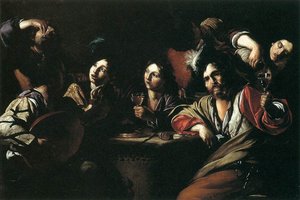
巴托洛梅奥·曼弗雷迪
1582 - 1622 , 意大利
艺术家简介
- 全名: 巴托洛梅奥·曼弗雷迪
- 出生地: 意大利,奥斯蒂阿
- 出生日期: 1582
- 受此艺术家影响的艺术家或流派: ['迪尔克·范·巴布伦']
- 国籍: 意大利
- 影响此艺术家的艺术家: ['米开朗基罗·梅里西·达·卡拉瓦乔']
- 艺术运动或风格: 卡拉瓦乔派
- 著名作品:
- 圣彼得否认
- 手持鲁特琴的酒馆场景
- 该隐杀亚伯
- 逝世日期: 1622
相关文章

The Enduring Legacy of Oil on Canvas: Technique, History & Aesthetic Impact
Explore the rich history & techniques of oil painting – from Renaissance masters to Impressionism. Discover pigments, layering methods, and why this timeless medium endures. Expert insights for artists & art enthusiasts.

Oil on Canvas: A Historical & Technical Exploration of a Timeless Artistic Medium
Explore the rich history & enduring techniques of oil painting on canvas. Discover the science behind its longevity, conservation practices, and contemporary relevance. Expert insights for art enthusiasts.

画布上的流光溢彩:油画技法、历史沿革与当代实践
深入探索油画技法的历史沿革,从文艺复兴到卡拉瓦乔的革命性创新。了解多层涂布技术如何塑造色彩与光影,并洞悉当代油画实践中的传统与突破。OriginalUniqueArt为您提供专业的艺术品咨询和定制服务。
The Soul of Impressionism: Why Oil on Canvas Captures Eternal Light and Timeless Emotion
Discover the enchanting alchemy of Impressionism. Explore how the mastery of oil on canvas, through glazing and impasto, captures eternal light and emotion. Perfect for lovers of Monet and Van Gogh seeking the profound depth of hand-painted fine art.
Oil on Canvas Masters: 10 Paintings That Redefined Art History |
Journey through art history with our guide to 10 legendary oil on canvas masterpieces! Explore iconic works by Van Gogh, Monet & Rembrandt. Find museum-quality reproductions and elevate your home decor at . Discover all masterpieces online.

