

 实景预览
实景预览
 发送
发送 分享
分享
 详情
详情 指南
指南

 下载图片
下载图片
 相似作品
相似作品 X射线
X射线 幻灯片播放
幻灯片播放 统计数据
统计数据Classical Landscape with Ruins
 Watercolor
- WallArt
- Romantic Landscape Painting
 1629
1629- Early Modern
 21.0 x 21.0 cm
 Fitzwilliam 学院
 阅读全文
阅读全文
艺术微喷/版画
博物馆级艺术微喷或帆布版画,制作高效,并提供多种饰面选择。 ( 订购此收藏品的纯手工复刻画作 切换至数字图像销售渠道)




P118B $10

P118H $10

P118W $10

P438Z $10

P508JH $12

P508YH $12

P805H $10

P805Z $10

P919BZ $10

P919G $10

P919XJ $10

P959ZH $10

P968JZ $12

W106C $8

W218G $10

W218JH $8

W218Y $10

W307PJ $10

W316G $10

W316PJ $8

W316Y $10

W398PJ $8

W4111J $10

W500HY $15

W500JH $15

W692G $12

W849H $8

W940BG $15

W953PJ $8




您可以从与原作比例一致的预设尺寸中进行选择。

您可以输入自定义尺寸,以适配特定的画框或空间。如果您选择的尺寸与原图比例不符,我们将对作品进行裁剪,或通过镜像填充/纯色填充边缘的方式来扩展图像。在开始制作之前,我们会向您发送一份数字效果图供您确认。
请注意,屏幕上的预览并不能反映实际的裁剪或扩展效果。只有效果图才能准确展示最终的构图。
虽然我们提供定制尺寸,但为了保持原图比例,我们建议您从预设列表中选择尺寸。


 玻璃选项仅适用于110厘米以下的尺寸。

Classical Landscape with Ruins
艺术微喷/版画
复刻品尺寸说明
-


总计金额
$ 80
A Vision of Roman Decay: The Melancholy Beauty of Breenbergh
In the quiet corners of the Fitzwilliam Museum, there exists a window into a lost era—a watercolor titled Classical Landscape with Ruins by the Dutch master Bartholomeus Breenbergh. Created around 1629, this delicate work is far more than a mere topographical record; it is a profound meditation on the passage of time and the inevitable triumph of nature over human ambition. As one gazes upon the crumbling stone structures in the foreground, there is an immediate sense of the sublime—that intoxicating mixture of awe and terror that comes from witnessing the slow, relentless decay of once-great civilizations. Breenbergh captures a moment where the grandeur of Rome meets the quiet persistence of the earth, inviting the viewer to contemplate their own place within the vast, cyclical rhythm of history.
The composition is masterfully orchestrated to lead the eye through a narrative of light and shadow. In the foreground, the skeletal remains of classical architecture serve as a poignant memento mori, while life continues in its humble, unbothered forms around them. Two figures wander near the ruins, perhaps travelers or shepherds lost in thought, their small scale emphasizing the monumental weight of the past. Scattered throughout this pastoral scene are the gentle rhythms of rural life: cows and sheep graze peacefully, a horse rests in the mid-ground, and a solitary bird drifts through the sky. Even the presence of a tranquil body of water near the right edge of the frame adds a layer of reflective stillness, mirroring the contemplative mood that permeates the entire landscape.
The Alchemy of Light and Italianate Grace
Technically, Breenbergh departs from the rigid, microscopic realism often associated with his Dutch contemporaries. Instead, he embraces an Italianate sensibility, characterized by a soft, atmospheric perspective that breathes life into the paper. His brushwork is loose and expressive, eschewing sharp outlines in favor of luminous transitions. Light is the true protagonist of this piece; shafts of sunlight pierce through the architectural debris, illuminating patches of verdant foliage and casting long, dramatic shadows that stretch across the terrain. This manipulation of light creates a sense of depth and drama, pulling the viewer into a world where the air feels heavy with humidity and history.
The color palette is a sophisticated study in muted elegance. Dominated by earthy browns, deep ochres, and mossy greens, the painting evokes the feeling of an ancient, sun-drenched landscape. Yet, Breenbergh punctuates these somber tones with subtle splashes of crimson and gold, reminiscent of the dramatic chiaroscuro found in the works of Caravaggio. For the discerning collector or interior designer, this piece offers a remarkable versatility. Its tonal depth and classical subject matter allow it to serve as a sophisticated focal point in a traditional study, a serene anchor in a contemporary minimalist space, or a soulful addition to a gallery wall dedicated to the Golden Age of painting.
An Eternal Echo for the Modern Collector
To possess a reproduction of this work is to bring a piece of the 17th-century soul into the modern home. Breenbergh’s ability to weave together the architectural ghosts of antiquity with the living, breathing pulse of nature creates an emotional resonance that transcends centuries. The painting does not merely depict a scene; it evokes a feeling of nostalgia for a greatness we can no longer touch, yet still deeply admire. It is an invitation to slow down, to observe the play of light upon stone, and to find beauty in the ephemeral. Whether you are drawn to its historical significance, its masterful use of atmospheric perspective, or its quiet, melancholic grace, this artwork remains a timeless testament to the enduring power of the classical spirit.
艺术家简介
早年生活与艺术启蒙
作为荷兰黄金时代的关键人物,巴托洛梅乌斯·布林伯赫(Bartholomeus Breenbergh)的故事始于一片迷雾之中。他出生于1598年11月13日之前,地点很可能是在荷兰的德文特,但其早年生活鲜有文献记载。1607年,父亲的离世为年幼的布林伯赫带来了人生的重大转折,促使全家迁往霍恩。正是在这座繁忙的港口小镇,他初次邂逅了艺术的世界;他与雅克·瓦本(Jacques Waben)成为同辈,并接受了最初的训练——尽管导师是当时活跃在阿姆斯特ಲೇ姆的众多名气不显的风景画家之一。随后,他在彼得·拉斯曼(Pieter Lastman)和雅各布·西蒙兹·派纳斯(Jacob Symonsz Pynas)的指导下接受了正式教学,为他未来的艺术探索奠定了基石。这些早期的影响悄然织入了他成熟时期的风格之中,尤其是拉斯曼那种充满戏剧性的叙事天赋。罗马漫游与意式风格的形成
1619年,布林伯赫踏上了前往罗马的变革之旅,这座城市将永远地塑造他的艺术视野。在长达约十一年的时间里,他沉浸在生机勃勃的罗马艺术氛围中,与弗拉芒画家弗兰斯·范·德·卡斯蒂勒(Frans van de Kasteele)开展合作,并深深陶醉于保罗·布里尔(Paul Bril)笔下那充满光感的风景之中。正是在这段时期,布林伯赫开始发展出他标志性的“意式风格”——对罗马坎帕尼亚地区进行理想化的描绘,画面沐浴在温暖的金光之下。他敏锐地观察着散落在乡间的古典遗迹,并将它们融入构图之中,唤起一种永恒之美与忧郁的壮丽感。他的作品与科内利斯·范·波伦堡(Cornelis van Poelenburgh)的作品日益趋同,以至于有时很难分辨两者的笔触。布林伯赫对这种风格的拥抱不仅是审美上的选择,更反映了当时整个欧洲对古典文明的痴迷以及对意大利风景的向往。他成为了“Bentvueghels”俱乐部的创始成员之一,这是一个由身在罗马的荷兰和弗拉芒画家组成的社团,以其豪爽的同僚情谊和充满讽刺意味的绰号而闻名——布林伯赫便因此获得了“het fret”(鼬)这一称号。重返阿姆斯特丹与艺术成熟期
约1630年,布林伯赫回到阿姆斯特丹,随身携带了在罗马岁月里磨炼出的艺术感悟。他迅速确立了自己作为一名备受追捧的画家的地位,于1633年结婚,甚至获得了英国国王查理一世提供的年度津贴——这足以证明其声望之高。然而,他的创作并未止步于纯粹的风景画。在彼得·拉斯曼等艺术家的再次影响下,他开始将神话与圣经人物融入意式风景设定中,创造出既具有视觉吸引力又富有叙事深度的场景。这种北欧叙事传统与南欧风景的融合,造就了一种宏伟的风格,其特点是极具表现力的人物形象和戏剧性的光影效果。尽管布林伯赫仅有一名正式登记的弟子,即在17世纪40年代随他学习的扬·德·比斯乔普(Jan de Bisschop),但他的影响力已扩展到更广泛的艺术家圈子,包括扬·林森(Jan Linsen)、西皮奥内·孔帕尼奥(Scipione Compagno)、劳伦斯·巴拉塔(Laurens Barata)以及查尔斯·科内利兹·德·胡赫(Charles Cornelisz. de Hooch)等人。传承与历史意义
巴托洛梅乌斯·布林伯赫对荷兰黄金时代绘画的贡献,在于他在北欧艺术传统中确立意式风景风格的先驱作用。他大师般地综合了彼得·拉斯曼、尼古拉斯·莫耶亚特、保罗·布里尔和科内利斯·范·波伦堡的影响,锻造出一种独特且极具辨识度的艺术语言。他将古典遗迹、理想化风景与动人叙事无缝结合的能力,令观众着迷,并启发了后世一代又一代的风景画家。他在早期的荷兰大师与后来更为精炼的实践者(如克劳德·洛雷纳)之间架起了一座桥梁,为北欧艺术对意式风光的全新审美铺平了道路。布林伯赫的作品推动了古典文明与理想化风景描绘的流行,塑造了那个时代的审美偏好,并在风景画史上留下了持久的印记。时至今日,他的画作依然能引起人们的共鸣,为观者提供了一个窥见神话、宗教与自然在和谐之美中交汇的世界。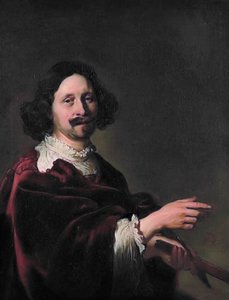
巴托洛梅乌斯·布林伯格
1598 - 1657 , 荷兰
快速概览
- Artistic Movement Or Style: 意大利式风景画
- Artists Or Movements Influenced By This Artist:
- Jan Linsen
- Claude Lorrain
- Artists Who Influenced This Artist:
- Pieter Lastman
- Paul Bril
- Cornelis van Poelenburgh
- Date Of Birth: 1598年11月13日之前
- Date Of Death: 1657年10月3日之后
- Full Name: Bartholomeus Breenbergh
- Nationality: 荷兰
- Notable Artworks:
- 雅各与天使摔跤
- 东方三博士朝拜
- 施洗者圣约翰的讲道
- Place Of Birth: 荷兰,代文特
相关文章

荷兰黄金时代:十幅定义艺术史的巨作 | OriginalUniqueArt
探索荷兰黄金时代的艺术巅峰! 伦勃朗、维米尔等大师名作,带您领略巴洛克艺术的辉煌。高清画作、博物馆级品质,点亮您的家居空间。OriginalUniqueArt.com 提供精选艺术复制品和定制装饰方案。立即在线探索全系列!

Golden Light & Dutch Skies: The Timeless Magic of Dutch Golden Age Landscapes
Discover the breathtaking beauty of Dutch Golden Age landscapes. Explore the mastery of light, chiaroscuro, and 17th-century realism through an expert art history lens, celebrating the enduring legacy of the Dutch Masters for discerning collectors and art lovers.

Golden Light & Dutch Skies: Bringing the Magic of Dutch Golden Age Landscapes into Your Home
Transform your home with the breathtaking light of Dutch Golden Age landscapes. Discover how hand-painted oil reproductions of masterworks like Ruisdael and Vermeer bring timeless elegance, atmosphere, and soulful texture to modern interiors. Elevate your space with museum-quality art.

荷兰黄金时代绘画:文化创新中的现实主义反思
深入探索荷兰黄金时代绘画的文化创新与现实主义反思。本文解读伦勃朗、维米尔等大师的作品,并结合玛莉特·韦斯特曼的图像学研究,揭示艺术史背后的社会语境与现代性意识觉醒。
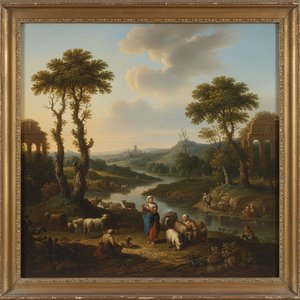
Nicolaes Berchem: Dutch Golden Age Pastoralism & the Evolution of Landscape Painting
Explore the captivating world of Nicolaes Berchem, a leading Dutch Golden Age painter. Discover his idyllic landscapes, masterful technique & lasting influence on art history. Learn more at OriginalUniqueArt.