

 效果预览
效果预览
 购买印刷品
购买印刷品 分享
分享 分享
分享
 详情
详情

 下载
下载
 相似作品
相似作品 X射线
X射线 幻灯片播放
幻灯片播放Buffalo Deer Dance
 Tribal Art
 1940
1940 33.0 x 71.0 cm
 展开详情
展开详情
购买高分辨率增强版数字图像,其品质远超在线预览。
每一份文件都由我们的内部专家使用先进工具与专业的后期润色技术精心打造。我们确保每一张图像都具备卓越的清晰度、精准的色彩还原度以及细腻的细节表现。
最终文件将在 72 小时内通过电子邮件交付,并针对专业、编辑及印刷用途进行了优化。其品质与顶级设计工作室、出版社和画廊所信赖的标准完全一致。
每份数字图像订单均包含
专业数字图像交付,品质保障
选择 OriginalUniqueArt.com,您获得的不仅仅是一张图像——您收到的是经过专业级增强、精雕细琢的数字艺术作品,并享有满意保证。以下是您的订单中自动包含的所有内容:

邮件快速送达
您的高分辨率数字图像文件将在下单后 72 小时内通过电子邮件发送给您 —— 即可立即使用。

AI 增强型数字文件
您的艺术品经过专业优化,结合先进的 AI 技术与人工修饰,确保呈现极致的细节、清晰度与色彩准确度。

终身免费重发服务
不小心删除了文件或找不到了?没关系——我们将随时为您免费重发。

无需进口费用,始终如一
即刻拥有您的艺术作品,无需支付任何关税、税费或运费——数字下载始终免税。

色彩精准保证
我们通过专业工具与色彩管理技术,确保您的数字图像尽可能真实地还原原作色彩。

60天满意保证
如果您对所购买的数字图像不满意,我们将在60天内为您进行修改或退还100%的款项——无需任何解释。

100% 退款保证
如果不满意?在收到数字文件后的60天内,我们为您提供全额退款——无需任何理由。

批量订单优惠
购买 3 张图片可享 10% 折扣 - 购买 5 张可享 15% 折扣 - 购买 10+ 张可享 20% 折扣。非常适合创意项目、画廊和机构使用。
艺术家简介
Awa Tsireh: A Pioneer of San Ildefonso Painting
Born in 1898 into the heart of the San Ildefonso Pueblo, Awa Tsireh (also known as Alfonso Roybal and Cattail Bird) emerged as one of the most significant figures in Southwestern Native American art. His journey was not one of formal academic training—he left school after grade school—but rather a deeply rooted apprenticeship within his culture, honed through observation, familial tradition, and the guidance of influential mentors. This self-taught approach, combined with a keen eye for detail and a profound connection to Pueblo cosmology, shaped an artistic style that remains both strikingly modern and profoundly evocative.
Early influences were subtle yet formative. His mother, Alfonsita Martinez, was a skilled potter, and Awa Tsireh is believed to have learned the fundamentals of design and imagery directly from her work. His uncle, Cresencio Martinez, further nurtured his artistic sensibilities by creating watercolor paintings depicting dances and animals—a practice that provided Awa Tsireh with invaluable experience in capturing movement and narrative within a small format. Crucially, he benefited from the instruction of Elizabeth Willis DeHuff, an educator who recognized his talent and offered him access to paints and paper, fostering a nascent artistic voice.
A pivotal moment arrived in 1917 when American artist William Penhallow Henderson, captivated by Awa Tsireh’s burgeoning skills, painted a portrait of the young artist. This image, now held by the New Mexico Museum of Art, stands as a testament to Henderson's recognition of Awa Tsireh’s potential and marked the beginning of his exposure to the wider art world. Alice Corbin Henderson, William’s wife, became a devoted patron, championing his work and providing him with essential resources, including access to high-quality materials and studio space.
The Intersection of Tradition and Modernism
Awa Tsireh's artistic development was characterized by a fascinating dialogue between traditional Pueblo aesthetics and the burgeoning modernist movement in America. He skillfully blended geometric patterns—a hallmark of Pueblo design—with bold colors, simplified forms, and a distinctly linear style. This synthesis created a visual language that was both deeply rooted in his cultural heritage and refreshingly contemporary.
His work frequently depicted scenes from daily life within the Pueblo community: ceremonial dances, hunting expeditions, and intimate moments of family interaction. These subjects were rendered with remarkable precision and symbolic depth. Awa Tsireh’s use of color—particularly vibrant reds, yellows, and blues—was particularly striking, creating a dynamic visual experience that drew viewers in. He was not simply documenting reality; he was translating it into a powerful visual language imbued with spiritual significance.
A Diverse Artistic Practice
While primarily known for his watercolors, Awa Tsireh’s artistic practice extended far beyond this medium. He demonstrated remarkable versatility, working in silver and gemstone art, creating intricate jewelry and decorative objects. His silversmithing skills were particularly noteworthy, reflecting a deep understanding of form and texture. Newspaper articles from the early 1930s consistently described him as a painter, silversmith, and even a dancer—a testament to his multifaceted talents and his ability to seamlessly integrate different artistic disciplines.
A significant chapter in Awa Tsireh’s career unfolded during the summer months when he sought employment at Garden of the Gods Trading Post in Colorado Springs. This extended period of residency provided him with a steady income, access to a wider audience, and opportunities to refine his craft. The trading post became a hub for Native American artists from across the Southwest, fostering a vibrant exchange of ideas and techniques.
Legacy and Recognition
Awa Tsireh’s work gained increasing recognition throughout the 1930s and 40s, culminating in exhibitions at prestigious venues such as the Arts Club of Chicago and the Museum of Modern Art in New York City. His paintings were celebrated for their originality, technical skill, and profound connection to Native American culture. The Smithsonian American Art Museum currently holds a significant collection of his works, ensuring that his artistic legacy will continue to be appreciated for generations to come.
His influence extends beyond the realm of art history. Dr. Edgar Lee Hewett, a pioneering anthropologist and museum director, played a crucial role in supporting Awa Tsireh’s artistic development, providing him with studio space and advocating for his work within the broader cultural community. Awa Tsireh's story exemplifies the power of patronage, mentorship, and the enduring value of preserving and celebrating Native American artistic traditions.
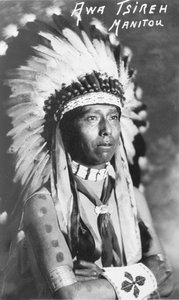
Awa Tsireh
1898 - 1955
基本信息
- Artistic Movement Or Style: San Ildefonso Self-Taught
- Artists Or Movements Influenced By This Artist: ['Modernism']
- Artists Who Influenced This Artist: ['Elizabeth DeHuff']
- Date Of Birth: February 1, 1898
- Date Of Death: March 30, 1955
- Full Name: Awa Tsireh (Alfonso Roybal)
- Nationality: American (Pueblo)
- Notable Artworks:
- Running Horse
- Deer Dancer
- Place Of Birth: San Ildefonso Pueblo, NM

