

 效果预览
效果预览
 购买印刷品
购买印刷品 分享
分享 分享
分享
 详情
详情

 下载
下载
 相似作品
相似作品 X射线
X射线 幻灯片播放
幻灯片播放Pear and Apple


 展开详情
展开详情




P118B $10

P118H $10

P118W $10

P438Z $10

P508JH $12

P508YH $12

P805H $10

P805Z $10

P919BZ $10

P919G $10

P919XJ $10

P959ZH $10

P968JZ $12

W106C $8

W218G $10

W218JH $8

W218Y $10

W307PJ $10

W316G $10

W316PJ $8

W316Y $10

W398PJ $8

W4111J $10

W500HY $15

W500JH $15

W692G $12

W849H $8

W940BG $15

W953PJ $8




从与原作比例一致的预设尺寸中进行选择。

您可以输入自定义尺寸,以适配特定的画框或空间。如果所选尺寸与原图比例不符,我们将通过裁剪作品或添加手绘元素来扩展画面。数字样稿将在制作开始前发送给您确认。
请注意,屏幕预览无法准确反映实际的裁剪或扩展效果,只有样稿才能真实呈现最终的构图。
虽然我们提供定制尺寸服务,但为了保留原作比例,建议您从预设列表中选择尺寸。
下单后,OriginalUniqueArt.com 团队将通过电子邮件联系客户获取具体要求,并提供效果预览图。


 玻璃选项仅适用于110厘米以下的尺寸。

Pear and Apple
复制材质
复制品尺寸
-


最终总价
$ 300
A Glimpse into the Soul: Avigdor Arikha's 'Pear and Apple'
Avigdor Arikha’s 1972 work, “Pear and Apple,” isn’t merely a still life; it’s a distilled meditation on form, texture, and the profound simplicity of observation. Born in Romania amidst displacement and hardship – his father perished during the horrors of World War II – Arikha's artistic journey is inextricably linked to this experience of loss and resilience. This piece, rendered with an almost austere elegance, speaks volumes about his commitment to capturing the essence of a subject through direct engagement, eschewing photographic representation for a deeply personal and immediate portrayal.
The composition itself is deceptively straightforward: two fruits – a pear and an apple – presented side-by-side against a muted, undefined background. Yet, within this apparent simplicity lies a remarkable depth of observation. Arikha doesn’t attempt to recreate the fruit with photographic precision; instead, he employs loose, gestural lines, a technique honed during his time studying fresco in Paris, to build up volume and texture. The marks themselves are imbued with a sense of movement and spontaneity, as if the artist were capturing a fleeting moment of perception rather than meticulously rendering an object.
The Language of Line: Technique and Materiality
Arikha’s masterful use of line is central to the work's impact. He employs hatching, cross-hatching, and varying pressures to create a rich tapestry of tones and textures. The surface isn’t smooth or polished; it’s deliberately rough and uneven, mirroring the natural imperfections of the fruit skin. This tactile quality invites the viewer to engage with the artwork on a sensory level, almost as if they could reach out and touch the cool, yielding flesh of the pear or the firm, waxy surface of the apple.
The choice of medium – etching on paper – further contributes to the work’s character. Etching, a technique involving transferring ink through a textured plate, lends itself beautifully to Arikha's expressive style. The delicate lines and subtle tonal variations are achieved through meticulous handwork, demonstrating the artist’s extraordinary control and precision. The monochrome palette—primarily shades of gray, black, and cream—amplifies this effect, stripping away any distractions and focusing attention on the fundamental elements of form and texture.
Echoes of History and Symbolism
Arikha's artistic trajectory is deeply intertwined with his personal history. His early years in Bukovina, a region caught between empires and ravaged by conflict, instilled in him a profound appreciation for the fragility of life and the importance of bearing witness. “Pear and Apple” can be interpreted as a quiet meditation on these themes – a reminder of beauty amidst hardship, and a testament to the enduring power of observation.
The pairing of the pear and apple itself carries symbolic weight. The pear, often associated with innocence and fertility, contrasts with the apple, traditionally linked to temptation and knowledge. Together, they create a subtle tension, suggesting a contemplation on human desires and limitations. Furthermore, Arikha’s commitment to painting *from life*, directly observing his subjects without preliminary sketches or photographs, reflects a deliberate rejection of illusionism and an embrace of authentic experience – a philosophy deeply rooted in the traditions of Chinese brush painting.
A Legacy of Intensity: Viewing ‘Pear and Apple’ Today
“Pear and Apple” is more than just a still life; it's a window into the soul of one of the 20th century’s most compelling artists. Arikha’s ability to distill complex emotions and ideas into simple, evocative forms continues to resonate with viewers today. Whether displayed in a private collection or a public gallery, this work invites contemplation, prompting us to consider the beauty that can be found in the ordinary and the profound insights that emerge from direct observation.
艺术家简介
早年生活与背景
- 出生:罗马尼亚,拉道特 (1929年)
- 逝世:2010年
- 维克多·德卢加奇(后更名为阿维格多·阿里卡)出生于罗马尼亚布科维纳地区拉道特的犹太家庭,父母讲德语。
- 他在布科维纳的切尔诺维茨长大。
- 1941年,他的家人面临被强行驱逐至由罗马尼亚管理的特兰西瓦尼亚集中营的命运,他的父亲也在那里不幸去世。
- 阿里卡通过描绘驱逐场景幸存了下来,这些画作后来被展示给了国际红十字会的代表。
艺术发展与风格
- 移民与教育:1944年,他随姐姐移居巴勒斯坦。此后一直居住在马阿雷哈哈米沙基布兹,直到1移植1948年。期间,他在耶路撒冷的贝扎勒艺术学院学习(1946-1949)。
- 早期职业与抽象主义:凭借奖学金,他于1949年前往巴黎美术学院深造,并在此掌握了湿壁画技法。1954年起定居巴黎。在20世纪50年代后期,阿里卡最初成为了一名抽象派画家。
- 转向素描与回归绘画:1965年,他停止了油画创作,转而专注于写生素描,长达八年的时间里,他坚持在单次坐画中完成所有题材。直到1973年,他才重新拾起画笔。
- 标志性风格:阿里卡发展出一种独特的绘画风格:仅在自然光下直接面对主体进行创作,完全摒弃预先绘制底稿。这种方法强调了艺术的即时感与自发性。
- 艺术影响:他的创作深受中国水墨画的影响,并与好友亨利·卡蒂埃-布列松共同秉持着捕捉“决定性瞬间”的艺术原则。
- 题材内容:他以肖像、人体、静物和风景画闻名;这些作品虽呈现出写实主义特征,但在空间构图上却深受抽象主义(尤其是蒙德里安)的影响。
主要成就与认可
- 评论界赞誉:《经济学人》曾评价他为“或许是20世纪最后几十年中最出色的写生画家”。
- 委约创作与肖像:他创作了多幅著名的委约肖像,包括伊丽莎白王太后(1983年)和前首相洛德·霍姆(1988年),这两件作品现收藏于苏格兰国家肖像馆。此外,他还为法国政府绘制了卡特琳·德纳ヴ(1990年)的肖像,并为里尔市创作了皮埃尔·莫罗的画像。
- 展览经历:他在伦敦和纽约频繁展出,举办过二十多次个人作品展。
- 回顾展:1998年,以色列博物馆(油画)和特拉维夫美术馆(版画与素描)为其举行了大型回顾展。此外,其作品也在苏格兰国家现代艺术馆、大英博物馆、法国国家图书馆及蒂森-博内米萨博物馆展出。
- 奖项与荣誉:他获得了诸多殊荣,包括金奖、艺术与文学骑士勋章、巴黎市艺术大奖、艺术与科学奖以及法国荣誉军团骑士勋章。
艺术史地位
- 连接现代主义:艺术评论家马可·利文斯通将阿里卡描述为一座桥梁,连接了“纯抽象的现代主义先锋派与可以追溯至文艺复兴时期的观察性素描与绘画传统”。
- 后抽象表现主义:作为一名“后抽象表现艺术家”,他在超越纯粹抽象的同时,保留了其在空间构图方面的艺术教益。
- 对直接观察的坚持:阿里卡致力于不依赖草稿或照片、直接面对生命进行创作,这与许多当代艺术家背道而驰,突显了即时感知的重要性。
- 艺术遗产:他的作品被世界各地的顶级机构收藏,包括以色列博物馆、特拉维夫美术馆、苏格兰国家现代艺术馆、大英博物馆、法国国家图书馆及蒂森-博内米萨博物馆。
艺术史学家与作家
- 学术研究:阿里卡同时也是一位受人尊敬的艺术史学家和艺术评论家。
- 目录与著作:他曾为卢浮宫举办的普桑和安格尔展览撰写作品目录,并著有《安格尔:五十幅写生素描》、《绘画与目光》以及《论描绘》等重要著作。
- 学术讲座:他在普林斯顿大学、耶鲁大学及弗里克收藏馆等知名机构进行过广泛的学术讲演。

阿维格多·阿里卡
1929 - 2010 , 罗马尼亚
艺术家简介
- Artistic Movement Or Style: 后抽象表现主义
- Artists Who Influenced This Artist:
- 亨利·卡蒂埃-布列松
- 蒙德里安
- Date Of Birth: 1929年4月28日
- Date Of Death: 2010年4月29日
- Full Name: 阿维格多·阿里卡
- Nationality:
- 以色列
- 法国
- 罗马尼亚
- Place Of Birth: 罗马尼亚,拉道蒂
相关文章

Avigdor Arikha: A Life in Painting – From Witness to Abstraction
Explore the life and work of Avigdor Arikha, a master painter celebrated for his striking portraits and commitment to painting directly from life. Discover his journey from trauma to abstraction & lasting influence.

Silent Narratives: Exploring the Enduring Appeal of Still Life Painting Across Centuries
Explore the rich history of still life painting with OriginalUniqueArt. Discover Dutch Masters, decode vanitas symbolism & learn about collecting timeless art. Expert insights and museum-quality reproductions.

The Nuances of Graphite: Exploring Emotional Depth & Technical Mastery in Pencil Drawing
Explore the captivating world of graphite drawing! Discover its rich history, master essential techniques like chiaroscuro, and learn how artists evoke emotion through this timeless medium. Expert insights for art enthusiasts.
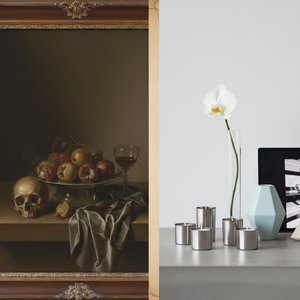
The Enduring Appeal of Still Life: A Historical & Contemporary Exploration
Explore the rich history & symbolism of still life painting with OriginalUniqueArt. Discover masterpieces from the Dutch Golden Age, learn about vanitas art, and find expert guidance for collecting timeless artworks.

Mastering the Line: A Comprehensive Expert Guide to Technical Precision and Expressive Depth in Drawing
Elevate your artistic practice with this expert guide to mastering the line. Discover advanced techniques in graphite, charcoal, and contour drawing designed for art students seeking technical precision and expressive depth in their fine art studies.

