实景预览
实景预览
 发送
发送 分享
分享
 详情
详情 指南
指南

 下载图片
下载图片
 相似作品
相似作品 X射线
X射线 幻灯片播放
幻灯片播放 统计数据
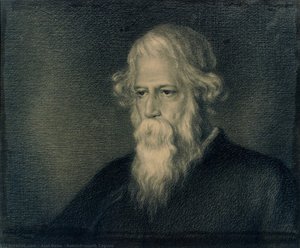
统计数据Rabindranath Tagore
 Oil On Canvas
- WallArt
- Contemporary Realism
 1952
1952- 19th Century
 60.0 x 50.0 cm
 维多利亚纪念堂
 阅读全文
阅读全文
手工油画复制品
由我们的艺术家按需定制,为您提供您所选尺寸及画框的布面手工油画。 ( 切换至版画销售渠道 切换至数字图像销售渠道)




P118B ¥10

P118H ¥10

P118W ¥10

P438Z ¥10

P508JH ¥12

P508YH ¥12

P805H ¥10

P805Z ¥10

P919BZ ¥10

P919G ¥10

P919XJ ¥10

P959ZH ¥10

P968JZ ¥12

W106C ¥8

W218G ¥10

W218JH ¥8

W218Y ¥10

W307PJ ¥10

W316G ¥10

W316PJ ¥8

W316Y ¥10

W398PJ ¥8

W4111J ¥10

W500HY ¥15

W500JH ¥15

W692G ¥12

W849H ¥8

W940BG ¥15

W953PJ ¥8




您可以从与原作比例一致的预设尺寸中进行选择。

请输入您需要的宽度和高度,以适配您的画框或墙面。由于作品为手工绘制,若您选择不同的尺寸比例,艺术家可能会在画面边缘多画一些或稍作裁剪 —— 由您决定。在开始绘画之前,我们会为您发送一份数字效果图供您确认。本页面上展示的图片并非最终实物 —— 只有效果图才能反映真实结果。
下单后,OriginalUniqueArt.com 团队将通过电子邮件联系客户获取具体要求,并提供效果预览图


 玻璃选项仅适用于110厘米以下的尺寸。

Rabindranath Tagore
复制品材质
复刻品尺寸说明
-


总计金额
¥ 2019
A Portrait of Intellectual Grace: Rabindranath Tagore by Atul Basu
This evocative portrait of Rabindranath Tagore, rendered in 1952 by the esteemed Indian painter Atul Basu, transcends a simple likeness; it’s an embodiment of the poet and philosopher's profound intellect and contemplative spirit. Painted during a pivotal period of his life – shortly after receiving the Nobel Prize for Literature – the artwork captures Tagore not merely as a celebrated figure, but as a man steeped in wisdom and perhaps a touch of melancholy, qualities that resonate deeply within the painting’s carefully constructed composition.
Artistic Technique and Historical Context
- Style & Medium: The work exemplifies representational portraiture executed with a mastery of oil paint on canvas. Basu's brushwork, subtly visible in the photograph, reveals a traditional technique rooted in post-impressionist influences, particularly evident in Walter Sickert’s approach to capturing human emotion through light and shadow.
- Artist Background: Atul Basu (1898-1977), born in Mymensingh, India, was a significant figure in the development of Indian modern art. His training at the Royal Academy in London exposed him to European artistic trends while firmly grounding his work within an Eastern sensibility. He played a crucial role in establishing and directing institutions like the Indian School of Oriental Art, contributing significantly to the preservation and promotion of traditional Indian artistic values.
- Historical Significance: Created in 1952, the painting reflects a moment of international recognition for Tagore’s literary achievements, solidifying his place as one of the world's most influential thinkers and writers. The artwork serves as a visual testament to this legacy.
Compositional Elements and Symbolism
The portrait adheres to a classic bust-length format, centering Tagore’s face and upper torso – a deliberate choice that fosters a direct connection with the viewer. The dark, indistinct background serves to heighten the subject's presence, emphasizing his dignified gaze. Notably, Tagore is depicted in a red robe, a color often associated with spirituality and authority within Indian traditions, subtly reinforcing his role as a respected intellectual leader and perhaps hinting at his Upanishadic ideals of education.
Color Palette and Emotional Impact
Basu’s masterful use of warm tones – reds, yellows, and whites – creates an atmosphere of serenity and contemplation. The soft, diffused lighting eliminates harsh shadows, further contributing to the painting's sense of wisdom and introspection. Tagore’s expression, a blend of intelligence and melancholy, invites viewers to contemplate the complexities of human thought and experience. The layering of colors within the robe adds depth and texture, enhancing the overall visual richness of the piece.
Dimensions and Materials
This reproduction is presented in a substantial 60 x 50 cm format, ensuring that it will make a significant statement within any interior space. The artwork is meticulously crafted using high-quality materials to faithfully replicate the original’s texture and color depth, offering collectors and art enthusiasts alike an authentic representation of Atul Basu's remarkable talent.
问答详情
建议将"Rabindranath Tagore"用于何处及何种用途?
阿图尔·巴苏 的《Rabindranath Tagore》 推荐用于 Reflective,理想的摆放空间为 Living Room。通过结合使用场景与空间布局,可以更好地确定复制品的陈列位置。
如何预览阿图尔·巴苏 的《Rabindranath Tagore》的复制品?
通过“Rabindranath Tagore”的预览页面,您可以在下单前预览艺术品。
阿图尔·巴苏 的《Rabindranath Tagore》 的色彩饱和度如何?
“Rabindranath Tagore”的色彩饱和度为Monochromatic。饱和度描述了色彩呈现的浓郁程度。
艺术家简介
早年生活与教育历程
Atul Basu 是一位享誉盛名的印度画家,于1898年2月22日出生在当时的孟加拉总督辖区的米门辛。他在米门辛小镇度过的童年时光,为他日后投身艺术事业奠定了深厚的基础。Basu 的启蒙教育始于国民教育委员会米门辛分部,随后他前往加尔各答的朱比利艺术学院深造,在那里开启了对美学与技艺的初步探索。职业生涯与艺术影响
凭借着来自加尔各答大学的奖学金,Basu 的艺术视野跨越了国界,于1924年至1926年间前往伦敦皇家艺术学院进修。在伦敦期间,后印象派大师沃尔特·西克特(Walter Sickert)的思想深深影响了他的创作风格。值得一提的是,Basu 曾拒绝过受邀装饰大英帝国展览馆亭阁的邀请,这一举动彰显了他对个人艺术愿景的高度忠诚与坚持。1921年,他与 Bhabani Charan Laha 共同创立了印度东方艺术学校,并于后期出任政府美术与工艺学院院长。他的代表作包括 《斯芬克斯》(胶合板油画) 以及 《自画像》(1945年),这些作品无不展现了他对油彩色彩掌控的精湛技艺。杰出作品与馆藏珍品
- 《斯芬克斯》(胶合板油画)
- 《自画像》(1945年)
- 由印度政府委托创作,现收藏于 温莎城堡 与 白金汉宫 原有馆藏中的肖像画作品
荣誉与认可
1970年,Basu 荣获了加尔各答拉宾德拉·巴拉蒂大学颁发的荣誉文学博士学位。在 OriginalUniqueArt.com 上浏览更多 Atul Basu 的艺术作品: 在 OriginalUniqueArt.com 上探索更多印度艺术家及其作品:
阿图尔·巴苏
1898 - 1977 , 印度
相关文章
George Catlin: Witnessing & Representing Indigenous Life on the American Frontier
Explore the captivating art of George Catlin, renowned for his vivid portraits & landscapes documenting Native American life on the frontier. Discover a vanishing world through stunning paintings and historical context.
Joseph Henry Sharp: Capturing the Spirit of the Plains – Life, Art & Legacy
Explore the life & art of Joseph Henry Sharp, a founding member of the Taos Society of Artists renowned for his realistic depictions of Native American culture and Western landscapes. Discover his legacy with OriginalUniqueArt.

Panoramic Visions of Empire: The Daniells’ Artistic Collaboration & Legacy
Explore the captivating 'Oriental Scenery' by Thomas & William Daniell. Discover their pioneering aquatint prints of India, imperial context, artistic collaboration, and lasting legacy. A deep dive for history lovers.
Shadow Catcher: Edward S. Curtis & the Ethnographic Portraiture of a Vanishing West
Explore the life & work of Edward S. Curtis, the 'Shadow Catcher,' and his groundbreaking photographic documentation of Native American cultures. Discover iconic images from *The North American Indian* and a critical look at his lasting legacy.

Raja Ravi Varma: Bridging Tradition & Modernity in 19th-Century Indian Art
Explore the life & art of Raja Ravi Varma, a pioneer who fused European techniques with Indian iconography. Discover his iconic paintings, lasting legacy, and influence on modern Indian art at OriginalUniqueArt.