

 实景预览
实景预览
 发送
发送 分享
分享
 详情
详情 指南
指南

 下载图片
下载图片
 相似作品
相似作品 X射线
X射线 幻灯片播放
幻灯片播放 统计数据
统计数据The Beeches
 Acrylic On Canvas
- WallArt
- Hudson River School
 1845
1845 153.0 x 122.0 cm
 大都会艺术博物馆
 阅读全文
阅读全文
艺术微喷/版画
博物馆级艺术微喷或帆布版画,制作高效,并提供多种饰面选择。 ( 订购此收藏品的纯手工复刻画作 切换至数字图像销售渠道)




P118B ¥10

P118H ¥10

P118W ¥10

P438Z ¥10

P508JH ¥12

P508YH ¥12

P805H ¥10

P805Z ¥10

P919BZ ¥10

P919G ¥10

P919XJ ¥10

P959ZH ¥10

P968JZ ¥12

W106C ¥8

W218G ¥10

W218JH ¥8

W218Y ¥10

W307PJ ¥10

W316G ¥10

W316PJ ¥8

W316Y ¥10

W398PJ ¥8

W4111J ¥10

W500HY ¥15

W500JH ¥15

W692G ¥12

W849H ¥8

W940BG ¥15

W953PJ ¥8




您可以从与原作比例一致的预设尺寸中进行选择。

请输入您所需的宽度和高度,以适配您的画框或墙面。由于印刷品只能进行裁剪,无法超出原图尺寸,因此若比例不一致,画面的一部分将会被裁切。在正式印刷之前,我们会为您发送一份数字效果图供您确认。本页面显示的图片并非最终裁剪后的效果——只有效果图才能展示真实的裁剪情况。


 玻璃选项仅适用于110厘米以下的尺寸。

The Beeches
艺术微喷/版画
复刻品尺寸说明
-


总计金额
¥ 538
The Beeches: A Tranquil Vision of American Landscape
This magnificent landscape painting by Asher Brown Durand, completed in 1845, transcends mere depiction; it embodies the spirit of the Hudson River School and offers a profound glimpse into the artistic sensibilities of its time. Commissioned for Abraham M. Cozzens, a prominent New York collector deeply invested in fostering American art appreciation, “The Beeches” represents a pivotal moment in landscape painting—a deliberate departure from the dramatic sublime championed by earlier Romantic artists toward a more contemplative and naturalist approach. Durand’s masterful execution captures not just visual beauty but also an emotional resonance that continues to captivate audiences today.- Subject Matter: The scene portrays a serene woodland vista dominated by beech and basswood trees, bathed in the soft glow of afternoon sunlight. A solitary man walks along a winding path, accompanied by his loyal dog—a symbol of companionship and connection with nature—creating an intimate tableau within the expansive landscape. Notably, a horse grazes peacefully near the center of the composition, further enriching the pastoral setting.
- Style & Technique: Durand’s work firmly establishes itself within the Hudson River School style, characterized by its restrained emotional intensity compared to earlier Romantic endeavors. He skillfully employs *plein air* oil painting—a technique where artists work outdoors directly onto canvas—allowing him to accurately reproduce the subtle nuances of light and shade that define the natural world. This meticulous attention to detail reflects Durand’s unwavering commitment to capturing the essence of American scenery with unparalleled realism.
- Historical Context: Influenced by John Constable's celebrated paintings, particularly “The Cornfield,” Durand absorbed Constable’s stylistic innovations—specifically his vertical formats and uncompromising fidelity to nature—during a formative trip to England in 1840. Constable’s approach served as an inspiration for Durand, demonstrating the importance of observing and representing natural phenomena with honesty and sensitivity. The painting emerged during a period of burgeoning interest in American wilderness and its capacity to inspire awe and contemplation.
- Symbolism: Beyond its visual splendor, “The Beeches” carries symbolic weight. Beech trees are traditionally associated with resilience and nobility, mirroring the steadfast spirit of the American frontier. The presence of the dog symbolizes loyalty and companionship—values deeply cherished in 19th-century society—while the horse represents strength and freedom. Collectively, these elements contribute to a broader meditation on humanity’s relationship with the natural world.
- Emotional Impact: Durand's masterful use of color and light evokes a palpable sense of tranquility and serenity. The dappled sunlight filtering through the foliage creates an atmosphere of warmth and peace—inviting viewers to immerse themselves in the beauty of the landscape and contemplate its profound implications. “The Beeches” remains a testament to the enduring power of art to transport us beyond the everyday, fostering appreciation for the sublime grandeur of American wilderness.
问答详情
哪里可以买到阿歇·布朗·杜兰 的《The Beeches》的手绘复制品?
阿歇·布朗·杜兰 的《The Beeches》 的手绘复制品正在 本网站 发售:您可以通过其 手工油画复刻 页面进行订购:亚麻画布手工绘制油画复制品。
阿歇·布朗·杜兰 的《The Beeches》 为室内空间增添了怎样的氛围?
阿歇·布朗·杜兰 的《The Beeches》 营造出 Serene 的氛围,与推荐的陈设空间——Living Room 完美契合。
阿歇·布朗·杜兰 的《The Beeches》 的色彩基调是什么?
阿歇·布朗·杜兰 的《The Beeches》 的色彩特征:Earthy 色调,以 Phthalo Green (#231815) 为主导。
艺术家简介
早年生活与绘画启蒙
阿舍尔·布朗·杜兰,1796年8月21日出生于新泽西州枫木镇,他的命运并非一开始就注定与绘画紧密相连。童年时期,他深受父亲的影响,父亲是一位钟表匠和银匠,这培养了他一丝不苟的细致态度,这种品质后来深刻影响了他的艺术创作。这份精工细作的基础促使他在1812年师从雕刻家彼得·马维里克,这条道路最初似乎定义了他的职业生涯。杜兰很快展现出非凡的技能,成为公司合伙人并建立了纽约市分部。他于1823年完成约翰·特朗布尔《独立宣言》的精美复制品后声名鹊起——这项壮举巩固了他在艺术界的地位。然而,在雕刻的精准之下,隐藏着对捕捉自然世界原始之美的渴望,这种召唤最终将他带成为美国艺术界的重要人物。从雕刻到拥抱自然的调色板
从一丝不苟的雕刻家到著名的风景画家并非一蹴而就的过程。杜兰继续从事雕刻工作,同时也在探索绘画,最初专注于肖像画和风俗题材。20世纪30年代,卢曼·里德的赞助是一个关键转折点,他鼓励杜兰全身心投入他的艺术追求。里德的支持使杜兰能够更全面地投身于绘画,这种追求又因1837年与亲密好友托马斯·科尔在阿迪朗达克山脉的变革性写生之旅而进一步激发。这次进入未驯服的荒野证明是关键性的;正是在这里,杜兰真正发现了他的使命——捕捉美国风景的崇高壮丽。他开始沉浸在大自然中度过夏天,通过无数素描和油画速写细致地记录卡茨基尔山脉、阿迪朗达克山脉和白山脉的风光。这些研究不仅仅是准备性的练习,而是成为他艺术创作不可或缺的一部分,影响着他完成绘画的构图和细节。哈德逊河画派的奠基人
杜兰对风景画的热情使他与一群志同道合的艺术家结盟——这个群体后来被称为哈德逊河画派。他是该学派的创始成员之一,与科尔一起发挥了至关重要的作用,确立了该学派独特的审美风格。哈德逊河画派不仅仅是描绘风景;它还在风景中注入情感共鸣和精神意义。杜兰的作品体现了这种哲学,其特点是一丝不苟的现实主义与浪漫情怀相结合。他坚信要毫不动摇地观察自然,同时也认识到它唤起敬畏、崇敬和崇高感的力量。他的画作不仅仅是对地方的再现;它们是他与美国荒野深厚联系的表达以及对上帝创造的赞美。遗产与持久影响
杜兰的影响力超越了他自己的艺术创作。从1845年到1861年,他担任国家设计学院院长,利用他的职位来倡导美国艺术并培养新兴人才。他还撰写了发表在《颜料》——一份重要的艺术期刊上——的富有洞察力的“风景画书信”,阐明了他的艺术原则并提倡直接从自然界观察。他对现实主义和细节表现的承诺为后来的几代风景画家树立了很高的标准。像1849年创作的《同心协力》这样的作品,作为对托马斯·科尔的致敬,成为了哈德逊河画派美学的标志性代表,至今仍引起观众的共鸣。这幅画作中描绘的科尔和诗人威廉·卡伦·布莱恩特置身于宁静林地中的场景概括了该学派对自然的崇敬以及它相信艺术能够将人类与神灵联系起来的力量。杜兰的绘画不仅仅提供了如诗如画的景色;它们为19世纪的美国提供了一个窗口,反映了它与自然世界不断变化的关系及其日益增长的国家认同感。他的遗产不仅体现在他迷人的画布中,还体现在他对美国风景画持久的影响以及他对捕捉土地之美和精神意义的不懈承诺中。杜兰的作品是浪漫主义、现实主义和对美国荒野的深刻敬畏的完美结合。 他被广泛认为是哈德逊河画派最重要的人物之一。
阿歇·布朗·杜兰
1796 - 1886 , 美利坚合众国
快速概览
- Artistic Movement Or Style: 哈德逊河画派
- Artists Or Movements Influenced By This Artist: ['哈德逊河画派']
- Artists Who Influenced This Artist: ['托马斯·科尔']
- Date Of Birth: 1796年8月21日
- Date Of Death: 1886年
- Full Name: 阿歇·布朗·杜兰
- Nationality: 美国国籍
- Notable Artworks:
- 风景构成
- 孤独橡树
- 林中速写
- 急流中的独木舟
- Place Of Birth: 美国新泽西州枫木镇
相关文章
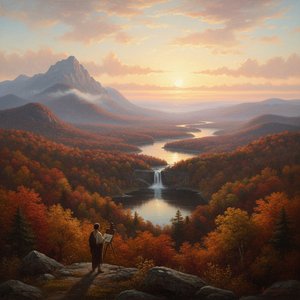
美国哈德逊河画派:浪漫主义视野下的自然与民族精神
深入探索美国哈德逊河画派:浪漫主义视野下的自然与民族精神。了解其历史、艺术风格及对美国国家认同的深远影响。OriginalUniqueArt提供高清油画复制和专业艺术咨询服务,助您领略大师之作。

康斯塔布尔大师之作:25幅传世风景画赏析 | OriginalUniqueArt
探索康斯塔布尔的25幅传世杰作!沉浸于英国田园风光,感受浪漫主义绘画大师的光影与色彩。高清油画复制、艺术品购买尽在OriginalUniqueArt.com,为您的家居增添经典之美。立即在线探索完整系列!

哈德逊河画派:十部巨作,定义美国风景画的辉煌
探索哈德逊河画派的十部经典巨作!沉浸于美国风景画的黄金时代,感受艺术家对自然的热爱与精湛技艺。从壮丽的山脉到宁静的河流,领略艺术的魅力。OriginalUniqueArt.com 提供博物馆品质的艺术品复制和个性化家居装饰方案。尽在 OriginalUniqueArt.com!

约翰·辛格·萨金特:25幅大师级杰作,点亮您的艺术生活 | OriginalUniqueArt
探索约翰·辛格·萨金特25幅传世杰作!深入了解这位美国印象派大师的肖像画技巧、金色时代风格与艺术故事。OriginalUniqueArt.com提供高品质油画复制品,点亮您的室内设计,打造奢华艺术空间。立即在线探索完整系列!
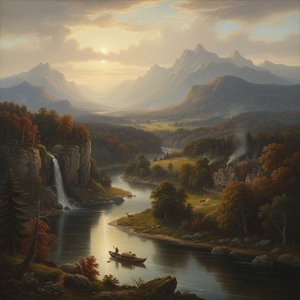
Capturing the American Spirit: A Journey Through Iconic Landscapes and the Legacy of the Hudson River School
Explore the profound beauty of American art history. From the Hudson River School to iconic landscapes, discover a curated journey through the masterpieces that defined a nation's spirit and the enduring legacy of American Romanticism.