
 实景预览
实景预览
 发送
发送 分享
分享
 详情
详情 指南
指南

 下载图片
下载图片
 相似作品
相似作品 X射线
X射线 幻灯片播放
幻灯片播放 统计数据
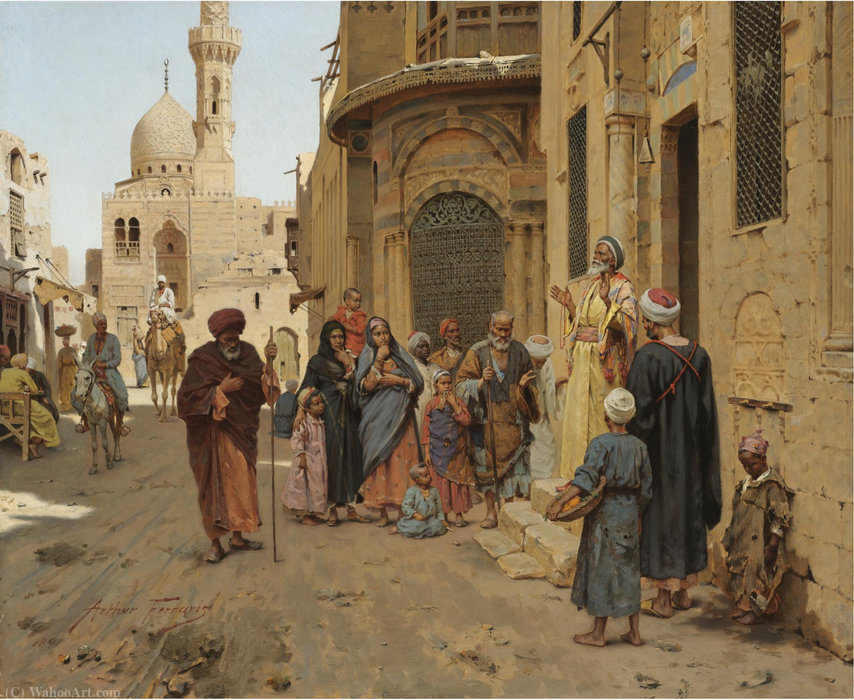
统计数据A captive audience, cairo
 阅读全文
阅读全文
艺术微喷/版画
博物馆级艺术微喷或帆布版画,制作高效,并提供多种饰面选择。 ( 订购此收藏品的纯手工复刻画作 切换至数字图像销售渠道)




































您可以从与原作比例一致的预设尺寸中进行选择。

您可以输入自定义尺寸,以适配特定的画框或空间。如果您选择的尺寸与原图比例不符,我们将对作品进行裁剪,或通过镜像填充/纯色填充边缘的方式来扩展图像。在开始制作之前,我们会向您发送一份数字效果图供您确认。
请注意,屏幕上的预览并不能反映实际的裁剪或扩展效果。只有效果图才能准确展示最终的构图。
虽然我们提供定制尺寸,但为了保持原图比例,我们建议您从预设列表中选择尺寸。


 玻璃选项仅适用于110厘米以下的尺寸。

A captive audience, cairo
艺术微喷/版画
复刻品尺寸说明
-


总计金额
$ 80
艺术家简介
Arthur von Ferraris: A Hungarian Visionary of the Orient
Arthur von Ferraris (1856-1936) emerged from Budapest, Hungary, as a painter captivated by the exotic allure of the East – specifically Egypt and Persia. His artistic journey wasn’t merely about depicting landscapes; it was an attempt to capture the soul of cultures vastly different from his own upbringing, reflecting a burgeoning fascination with anthropology and comparative religion during the late 19th century. Unlike many artists of his time focused on grand narratives or idealized representations, Ferraris sought authenticity, meticulously observing daily life and striving for nuanced portrayals that conveyed both visual splendor and psychological depth.- Early Life & Education: Born into a wealthy family with connections to the Austro-Hungarian Empire, Ferraris received a privileged education emphasizing classical studies alongside artistic pursuits. He initially studied at Budapest University before embarking on independent travels throughout Europe, absorbing influences from Impressionism and Academic painting.
- Cairo Inspirations: Ferraris’s breakthrough came during his expeditions to Egypt between 1890 and 1905. These voyages profoundly impacted his artistic vision, fueling a series of paintings that immortalized Cairo's vibrant marketplaces, bustling streets, and religious ceremonies. He skillfully employed atmospheric perspective and luminous color palettes—techniques championed by Impressionists like Claude Monet—to convey the sensory experience of these locations.
- Notable Works & Patronage: Ferraris gained recognition within Hungarian artistic circles and enjoyed patronage from prominent figures, including Emperor Franz Joseph I. His paintings graced the walls of royal residences and were exhibited at prestigious salons in Paris and Vienna. Among his most celebrated pieces are “Blind Man At The Mosque” and “The Blind Man,” which exemplify his dedication to portraying marginalized individuals with compassion and dignity.
- Legacy & Influence: Arthur von Ferraris’s contribution to Orientalist painting extends beyond mere aesthetic beauty. He championed a humanist approach, prioritizing observation and psychological insight over romanticized clichés. His work continues to inspire artists today who strive for truthful depictions of cultures outside the Western canon. Moreover, Ferraris's meticulous attention to detail and masterful use of color solidified his place as one of Hungary’s foremost painters of the Belle Époque—a period marked by artistic innovation and intellectual curiosity.

arthur von ferraris
1856 - 1936
快速概览
- Artistic Movement Or Style: Orientalism
- Date Of Birth: 1856
- Date Of Death: 1936
- Full Name: Arthur von Ferraris
- Nationality: Hungarian
- Notable Artworks:
- Driving A Bargain
- Blind Man At The Mosque
- The Blind Man
- Place Of Birth: Hungary