

 实景预览
实景预览
 发送
发送 分享
分享
 详情
详情 指南
指南

 下载图片
下载图片
 相似作品
相似作品 X射线
X射线 幻灯片播放
幻灯片播放 统计数据
统计数据Tom Rose, Councillor
 Contemporary Realism
 1919
1919 127.0 x 102.0 cm
 Southwark Art Collection
 阅读全文
阅读全文
艺术微喷/版画
博物馆级艺术微喷或帆布版画,制作高效,并提供多种饰面选择。 ( 订购此收藏品的纯手工复刻画作 切换至数字图像销售渠道)




































您可以从与原作比例一致的预设尺寸中进行选择。

您可以输入自定义尺寸,以适配特定的画框或空间。如果您选择的尺寸与原图比例不符,我们将对作品进行裁剪,或通过镜像填充/纯色填充边缘的方式来扩展图像。在开始制作之前,我们会向您发送一份数字效果图供您确认。
请注意,屏幕上的预览并不能反映实际的裁剪或扩展效果。只有效果图才能准确展示最终的构图。
虽然我们提供定制尺寸,但为了保持原图比例,我们建议您从预设列表中选择尺寸。


 玻璃选项仅适用于110厘米以下的尺寸。

Tom Rose, Councillor
艺术微喷/版画
复刻品尺寸说明
-


总计金额
$ 80
艺术家简介
A Quiet Observer of English Life: The World of Arthur Paine Garratt
Arthur Paine Garratt (1873–1955), often signing his works simply as A. Garratt, remains a somewhat elusive figure in the pantheon of British landscape and interior painters. While not achieving widespread renown during his lifetime, his delicate watercolors and oil paintings offer a poignant glimpse into the serene beauty of late Victorian and Edwardian England. Born in 1873, Garratt dedicated himself to capturing the essence of the English countryside and the dignified interiors of its esteemed educational institutions, particularly Harrow School and Eton College. His work wasn’t about grand statements or revolutionary techniques; it was a quiet observation, a meticulous rendering of light, atmosphere, and the subtle charm of everyday scenes. He possessed an exceptional ability to evoke a sense of nostalgia and tranquility, qualities that resonate strongly with contemporary viewers seeking respite from the frenetic pace of modern life.Early Life and Artistic Development
Details regarding Garratt’s formal artistic training are scarce, adding to his mystique. It is believed he received instruction at the Heatherley School of Fine Art in London, a reputable institution known for preparing students for careers as illustrators and landscape painters. This background likely shaped his focus on representational art and his proficiency in watercolor techniques. The influence of the Victorian tradition of topographical painting is readily apparent in his early works – precise detailing, balanced compositions, and a commitment to accurately depicting architectural features. However, Garratt’s style gradually evolved beyond mere documentation. He infused his paintings with a romantic sensibility, softening edges and employing a muted palette that emphasized mood and atmosphere over strict realism. His choice of subject matter—the hallowed halls of Harrow and Eton—suggests a connection to the upper echelons of British society, perhaps through commissions or personal patronage.The Schools as Subject: Harrow and Eton
Garratt’s most recognizable body of work centers on his depictions of Harrow School and Eton College. He wasn't merely painting buildings; he was capturing the *spirit* of these institutions – the weight of tradition, the echoes of generations past, and the quiet dignity of academic life. “The 4th Form Room, Harrow”, for example, is not a bustling classroom scene but rather an intimate portrayal of empty desks bathed in soft light, hinting at the intellectual energy that once filled the space. Similarly, his paintings of Eton College’s chapels and playing fields convey a sense of timelessness and reverence. He skillfully balanced architectural precision with atmospheric effects, creating images that are both visually appealing and emotionally evocative. These works were often commissioned by alumni or used for promotional purposes, solidifying Garratt's reputation as a skilled chronicler of British educational heritage. His paintings offered a romanticized vision of these schools, reinforcing their prestige and appeal to prospective students and their families.Technique and Influences
Garratt’s technique was characterized by meticulous attention to detail and a masterful use of light and shadow. He primarily worked in watercolor and oil paints, often combining the two mediums to achieve specific effects. His watercolors are particularly noteworthy for their delicate washes and subtle gradations of color, creating an ethereal quality that is both captivating and serene. He demonstrated a keen understanding of perspective and composition, ensuring that his paintings were visually balanced and harmonious. While he didn’t adhere rigidly to any particular artistic movement, Garratt's work reveals influences from several sources. The Pre-Raphaelites’ emphasis on detail and romantic subject matter can be seen in his early works, while the Impressionists’ focus on light and atmosphere informed his later paintings. He also drew inspiration from topographical painters like J.M.W. Turner and David Cox, adapting their techniques to suit his own aesthetic sensibilities.Legacy and Historical Significance
Although Arthur Paine Garratt did not achieve widespread fame during his lifetime, his work continues to be appreciated for its quiet beauty and evocative power. His paintings offer a valuable glimpse into the social and cultural landscape of late Victorian and Edwardian England, capturing a sense of nostalgia and tranquility that resonates with contemporary viewers.- His meticulous depictions of Harrow School and Eton College provide a unique historical record of these esteemed institutions.
- Garratt’s skillful use of light and atmosphere creates images that are both visually appealing and emotionally evocative.
- His work represents a continuation of the Victorian tradition of landscape painting, infused with a romantic sensibility.

arthur paine garratt
1873 - 1955
相关文章

画布上的流光溢彩:油画技法、历史沿革与当代实践
深入探索油画技法的历史沿革,从文艺复兴到卡拉瓦乔的革命性创新。了解多层涂布技术如何塑造色彩与光影,并洞悉当代油画实践中的传统与突破。OriginalUniqueArt为您提供专业的艺术品咨询和定制服务。

Oil on Canvas: A Historical & Technical Exploration of a Timeless Artistic Medium
Explore the rich history & enduring techniques of oil painting on canvas. Discover the science behind its longevity, conservation practices, and contemporary relevance. Expert insights for art enthusiasts.
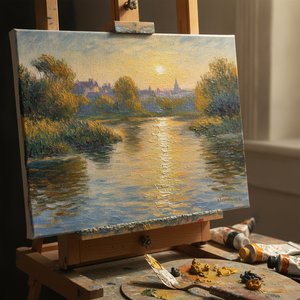
The Soul of Impressionism: Why Oil on Canvas Captures Eternal Light and Timeless Emotion
Discover the enchanting alchemy of Impressionism. Explore how the mastery of oil on canvas, through glazing and impasto, captures eternal light and emotion. Perfect for lovers of Monet and Van Gogh seeking the profound depth of hand-painted fine art.

The Enduring Power of Painting: A Historical & Contemporary Exploration of Form and Emotion
Explore the rich history & enduring techniques of oil painting with OriginalUniqueArt. Discover masterpieces, learn about art collecting, and find authentic handmade reproductions crafted by skilled artists.

The Enduring Legacy of Oil on Canvas: Technique, History & Aesthetic Impact
Explore the rich history & techniques of oil painting – from Renaissance masters to Impressionism. Discover pigments, layering methods, and why this timeless medium endures. Expert insights for artists & art enthusiasts.