

 实景预览
实景预览
 发送
发送 分享
分享
 详情
详情 指南
指南

 下载图片
下载图片
 相似作品
相似作品 X射线
X射线 幻灯片播放
幻灯片播放 统计数据
统计数据Evening Silhouette
 Acrylic On Canvas
- WallArt
- Realism
 1926
1926- 19th Century
 32.0 x 40.0 cm
 McMichael Canadian Art Collection
 阅读全文
阅读全文
艺术微喷/版画
博物馆级艺术微喷或帆布版画,制作高效,并提供多种饰面选择。 ( 订购此收藏品的纯手工复刻画作 切换至数字图像销售渠道)




P118B $10

P118H $10

P118W $10

P438Z $10

P508JH $12

P508YH $12

P805H $10

P805Z $10

P919BZ $10

P919G $10

P919XJ $10

P959ZH $10

P968JZ $12

W106C $8

W218G $10

W218JH $8

W218Y $10

W307PJ $10

W316G $10

W316PJ $8

W316Y $10

W398PJ $8

W4111J $10

W500HY $15

W500JH $15

W692G $12

W849H $8

W940BG $15

W953PJ $8




您可以从与原作比例一致的预设尺寸中进行选择。

您可以输入自定义尺寸,以适配特定的画框或空间。如果您选择的尺寸与原图比例不符,我们将对作品进行裁剪,或通过镜像填充/纯色填充边缘的方式来扩展图像。在开始制作之前,我们会向您发送一份数字效果图供您确认。
请注意,屏幕上的预览并不能反映实际的裁剪或扩展效果。只有效果图才能准确展示最终的构图。
虽然我们提供定制尺寸,但为了保持原图比例,我们建议您从预设列表中选择尺寸。


 玻璃选项仅适用于110厘米以下的尺寸。

Evening Silhouette
艺术微喷/版画
复刻品尺寸说明
-


总计金额
$ 80
A Moment Frozen in Sunset: Arthur Lismer’s "Evening Silhouette"
Arthur Lismer's “Evening Silhouette,” painted in 1926, is more than just a depiction of a tree against a vibrant sky; it’s a poignant meditation on the relationship between industry and nature, forged from the artist’s own unique experiences. This evocative piece, measuring 32 x 40 cm, captures a fleeting moment of serene beauty – a solitary tree rendered in warm hues that speak of both the fading light of day and the enduring strength of the natural world. Lismer's work, born from his upbringing in Sheffield, England, reflects a deep-seated appreciation for landscapes cultivated through observation and a desire to translate those observations onto canvas with remarkable sensitivity.
- Subject Matter: The central focus is undeniably the tree – a powerful silhouette dominating the foreground. Its upward reaching branches symbolize aspiration and connection to the heavens, while its rooted presence represents stability and resilience.
- Color Palette: Lismer masterfully employs a palette of warm oranges, pinks, and subtle blues to evoke the drama of a sunset. These colors aren’t merely representational; they carry an emotional weight, suggesting tranquility, reflection, and perhaps even a touch of melancholy.
- Composition: The balanced composition draws the eye directly to the tree's silhouette, creating a focal point that is both visually arresting and deeply calming. The inclusion of background trees adds depth and dimension, enhancing the sense of scale and immersing the viewer in the scene.
The Artist’s Journey: From Sheffield Steel to Canadian Impressionism
Arthur Lismer's artistic trajectory is a compelling story of self-discovery and adaptation. Born in 1885 in Sheffield, England, he initially apprenticed in photo-engraving, a skill that instilled within him an acute awareness of visual detail and composition – skills that would later inform his painting practice. This early exposure to the mechanics of image creation undoubtedly shaped his artistic sensibilities. His move to Canada and subsequent embrace of Impressionistic techniques marked a significant shift, allowing him to translate his observations of the Canadian landscape with newfound freedom and expressiveness. Lismer’s work reflects a desire to establish a distinctly Canadian artistic voice, rooted in both European influences and a profound connection to the land.
Key Biographical Detail: Lismer's apprenticeship at thirteen honed his technical skills, providing a crucial foundation for his later artistic endeavors. His time spent studying art during evening classes further solidified his talent and shaped his approach to composition and color theory.Technique and Style: A Delicate Balance
“Evening Silhouette” exemplifies Lismer’s skill in capturing atmospheric effects through loose brushwork and a focus on light and shadow. The painting demonstrates a mastery of Impressionistic techniques, characterized by short, broken strokes applied with confident gestures. Lismer avoids sharp outlines, instead opting for a soft, hazy effect that contributes to the overall sense of serenity. The texture created through these brushstrokes adds another layer of visual interest, inviting the viewer to contemplate the surface of the painting itself. This technique allows him to convey not just what he *saw*, but also how he *felt* about the scene – a crucial element in Impressionist art.
Symbolism and Emotional Impact
Beyond its aesthetic qualities, “Evening Silhouette” resonates with deeper symbolic meanings. The tree, as a universal symbol of life, growth, and connection to the earth, is presented in a state of quiet contemplation. The sunset itself represents transition – the end of one day and the promise of another. Lismer’s ability to capture this fleeting moment of beauty evokes a sense of peace and wonder, inviting viewers to pause and reflect on their own place within the natural world. This piece speaks to a fundamental human desire for connection with nature and the solace it provides.
艺术家简介
从钢铁铸造到光绘:亚瑟·利斯默的艺术人生
亚瑟·利斯默的故事是一部非凡的转变史,他的人生轨迹从英国谢菲尔德灰暗的工业中心地带,走向定义加拿大独特艺术身份的关键人物。1885年出生于谢菲尔德的他,早年生活浸润在工人阶级现实之中,工厂和烟雾的世界或许无意中在他心中燃起了一生对原始自然美景的渴望。十三岁时进入一家照片雕刻公司当学徒,这不仅仅是一门手艺,更是一次视觉语言的沉浸,磨练了后来他艺术探索的基础技能。在谢菲尔德艺术学校的夜校学习为他提供了正规训练,培养了他已经通过周围环境的素描和观察而蓬勃发展的才华——甚至在联合教会的礼拜仪式中偷偷地进行,这让他的母亲略感不满。这种早期的接触不仅仅是关于技巧;而是关于看见,真正*看见*周围的世界,这项技能将贯穿他整个职业生涯。随后搬到安特卫普皇家学院进一步拓宽了他的视野,让他接触到欧洲艺术潮流如巴比松画派和后印象主义——这些影响微妙地塑造了他不断演变的风格。从哈利法克斯港到“七群”
1911年移民加拿大是一个转折点。定居多伦多后,利斯默在Grip Ltd.一家商业艺术公司找到了一份工作,在那里他与汤姆·汤姆森相遇,另一位注定成为加拿大艺术史上传奇人物的艺术家。然而,真正展现他对教育承诺的是1916年被任命为哈利法克斯维多利亚艺术设计学院的校长。他不仅仅是行政管理人员;他振兴了学校,扩大了课程和学生人数,坚信要培养艺术人才。第一次世界大战彻底改变了他的道路。作为一名官方战地艺术家,利斯默被繁忙的哈利法克斯港口所吸引,这是一个战略枢纽,充满了船只。在这里,他开发了一系列独特的绘画作品,描绘了装饰着*眩晕伪装*的舰船——一种革命性的技术,旨在通过大胆的图案和破坏性色彩来迷惑敌方潜艇。这些不仅仅是技术练习;它们是引人注目的视觉声明,展示了他将艺术原理适应于实际战争需求的的能力,并赢得了比弗布鲁克勋爵的认可。1919年返回多伦多后,利斯默成为安大略艺术学院的副校长,并积极与一群志同道合的艺术家合作,他们共同拥有一个愿景:创造一种独特的加拿大艺术。这个集体后来被称为“七群”。一种独特的加拿大视野
利斯默的艺术发展并非静态;它是一个持续的演变过程,受到他欧洲训练的影响,并深受加拿大广阔而原始的美丽所深刻影响。最初拥抱后印象主义技术,他逐渐转向更具表现力和个人风格。他的风景画不仅仅是对景色的再现;它们是捕捉加拿大的*本质*——它的情感共鸣、它狂野的精神的尝试。鲜艳的色彩、动态的构图和大胆的笔触成为他作品的标志。他不仅寻求描绘自己所见,还试图传达沉浸在荒野中是什么感觉,亲身体验自然的力量和宏伟。他的绘画经常采用扁平化的视角和表现性的纹理,反映出一种超越单纯模仿、走向更主观现实解释的愿望。“七群”的集体目标是雄心勃勃:创造一种独立于欧洲传统的艺术身份,这种身份植根于加拿大环境的独特特征。利斯默在这个事业中发挥了关键作用,不仅贡献了他的艺术才华,还贡献了他对共同愿景的不懈奉献。遗产和持久影响
亚瑟·利斯默的贡献远远超出了他的绘画作品。作为一名教育家,他通过在NSCAD大学和安大略艺术学院的领导地位深刻地影响了几代加拿大艺术家,向他们灌输了对创造力的热情和对艺术卓越的承诺。他的眩晕伪装作品仍然具有历史意义,为第一次世界大战提供了独特的视觉记录,并展示了他作为艺术家的适应能力。1967年他被授予加拿大勋章伴侣勋位,证明了他对加拿大文化的持久影响。今天,利斯默被誉为加拿大最重要的艺术家之一,以其充满活力的风景画、创新技术和对培养艺术人才的不懈奉献而闻名。他的作品被该国乃至国际上的主要公共和私人收藏机构收藏,继续以其美丽和情感深度激励和吸引观众。他的遗产不仅仅在于他所画的内容;而是关于他如何启发他人用新的视角看待世界——以及加拿大。他的作品的关键特征
- 充满活力的色彩:采用大胆、富有表现力的颜色来捕捉风景的情感冲击力。
- 动态的构图:利用强大的构图元素创造运动和能量的感觉。
- 表现性的笔触:其特点是可见的笔触,传达纹理和情感。
- 眩晕伪装绘画:第一次世界大战期间对船只独特的描绘,展示了对图案和色彩创新的运用。
- 关注加拿大荒野:与加拿大的风景有着深刻的联系,特别是安大略北部和新斯科舍省。

亚瑟·利斯默 (Yàshì Lǐsīmò)
1885 - 1969
快速概览
- Artistic Movement Or Style: 七群派, 景观画
- Artists Or Movements Influenced By This Artist:
- 加拿大艺术
- 七群派
- Artists Who Influenced This Artist:
- 巴比松画派
- 后印象派
- Date Of Birth: 1885年6月27日
- Date Of Death: 1969年3月23日
- Full Name: 亚瑟·利斯默
- Nationality: 英裔加拿大人
- Notable Artworks (List Of Titles):
- 贝德福德湾船队
- 乔治亚湾风暴
- 海鸥
- 风景
- Place Of Birth (City And Country): 英国谢菲尔德
相关文章

Arthur Lismer: A Pioneer of Canadian Modernism & the Group of Seven's Visionary Spirit
Explore the life & art of Arthur Lismer, a pivotal figure in Canadian Modernism and founding member of the Group of Seven. Discover his landscapes, teaching legacy & lasting influence on Canadian art history.

Impressionism's Masterpieces: 10 Paintings That Defined a Movement | OriginalUniqueArt
Journey through Impressionism's heart with 10 iconic paintings by Monet, Renoir & Degas. Explore light, color & the stories behind these masterpieces. Find museum-quality art reproductions and elevate your home decor on OriginalUniqueArt.com.
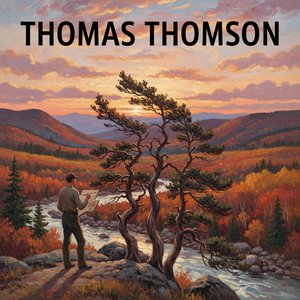
Thomas Thomson: Pioneering Canadian Landscape & the Pursuit of National Identity
Explore the evocative landscapes of Tom Thomson, a pivotal figure in Canadian art & precursor to the Group of Seven. Discover his bold style, lasting legacy, and profound impact on shaping a national artistic identity.
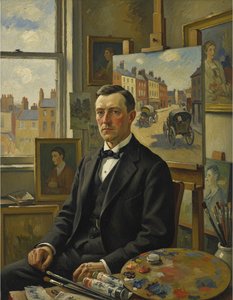
Robert Bevan: Pioneering British Post-Impressionism & the Camden Town Group's Intimate Vision
Explore the life & work of Robert Bevan, a pioneer of British Post-Impressionism and founding member of the Camden Town Group. Discover his vibrant landscapes and lasting impact on early 20th-century art.

George Agnew Reid: A Canadian Impressionist's Pursuit of Light, Colour, and National Identity
Explore the life & work of George Agnew Reid, a pivotal figure in Canadian Impressionism. Discover his genre paintings, mural commissions, and lasting influence on art education & national identity. A comprehensive guide for collectors & enthusiasts.