

 实景预览
实景预览
 发送
发送 分享
分享
 详情
详情 指南
指南

 下载图片
下载图片
 相似作品
相似作品 X射线
X射线 幻灯片播放
幻灯片播放 统计数据
统计数据Garden Scene
 Oil On Canvas
- WallArt
- Modernism of his day
 1907
1907- Early Modern
 36.0 x 49.0 cm
 Arnold Schönberg Center
 阅读全文
阅读全文
手工油画复制品
由我们的艺术家按需定制,为您提供您所选尺寸及画框的布面手工油画。 ( 切换至版画销售渠道 切换至数字图像销售渠道)




P118B ¥10

P118H ¥10

P118W ¥10

P438Z ¥10

P508JH ¥12

P508YH ¥12

P805H ¥10

P805Z ¥10

P919BZ ¥10

P919G ¥10

P919XJ ¥10

P959ZH ¥10

P968JZ ¥12

W106C ¥8

W218G ¥10

W218JH ¥8

W218Y ¥10

W307PJ ¥10

W316G ¥10

W316PJ ¥8

W316Y ¥10

W398PJ ¥8

W4111J ¥10

W500HY ¥15

W500JH ¥15

W692G ¥12

W849H ¥8

W940BG ¥15

W953PJ ¥8




您可以从与原作比例一致的预设尺寸中进行选择。

请输入您需要的宽度和高度,以适配您的画框或墙面。由于作品为手工绘制,若您选择不同的尺寸比例,艺术家可能会在画面边缘多画一些或稍作裁剪 —— 由您决定。在开始绘画之前,我们会为您发送一份数字效果图供您确认。本页面上展示的图片并非最终实物 —— 只有效果图才能反映真实结果。
下单后,OriginalUniqueArt.com 团队将通过电子邮件联系客户获取具体要求,并提供效果预览图


 玻璃选项仅适用于110厘米以下的尺寸。

Garden Scene
复制品材质
复刻品尺寸说明
-


总计金额
¥ 2014
A Moment of Spontaneous Harmony: Exploring Arnold Schönberg’s ‘Garden Scene’
Arnold Schönberg's “Garden Scene,” painted in 1907, is more than just a depiction of an outdoor gathering; it’s a visceral expression of the artist’s revolutionary approach to color and form. Created during a pivotal moment in artistic history – a time when established conventions were being aggressively challenged – this work embodies Schönberg's commitment to spontaneity and his willingness to embrace unconventional materials, reflecting the burgeoning spirit of Modernism. Measuring 36 x 49 cm, the painting immediately captivates with its vibrant palette and seemingly effortless composition. The scene unfolds with a group of figures enjoying themselves beneath a lush green canopy, seated around tables laden with simple yet elegant dining ware. This isn’t a meticulously rendered landscape; rather, it's an impression, a fleeting moment captured through a deliberate disregard for traditional artistic constraints.
Technique and Materiality: A Radical Experiment
What truly distinguishes “Garden Scene” is Schönberg’s audacious technique. He abandoned the conventional practice of priming surfaces – a cornerstone of academic painting – opting instead to utilize plywood and board directly, exposing the raw texture of the support. This decision, repeated in over 50 distinct combinations across his œuvre, speaks volumes about his desire for immediacy and an unvarnished truthfulness in his work. The visible grain of the wood, coupled with the layering of pigments, creates a dynamic surface that shifts with the light, adding depth and complexity to the scene. Schönberg’s preference for a fluid approach is evident in the loose brushwork and the blending of colors, suggesting a process driven by intuition rather than precise calculation. This rejection of traditional methods aligns him squarely within the modernist movement's pursuit of new forms of expression.
Historical Context: Vienna at the Dawn of Modernism
To fully appreciate “Garden Scene,” it’s essential to understand its historical context. Schönberg was working in Vienna, a city that was a hotbed of artistic innovation at the turn of the 20th century. The late 1890s and early 1900s witnessed a dramatic shift away from representational art, with artists like Schönberg, Gustav Klimt, and Egon Schiele pushing boundaries in color theory, composition, and subject matter. Schönberg’s exploration of atonality in his musical compositions – a radical departure from traditional harmony – mirrored his artistic experimentation, reflecting a broader cultural upheaval. The painting's creation coincides with the premiere of his String Quartet No. 2 (1907-1908), further solidifying his position as a leading figure in this revolutionary movement.
Symbolism and Emotional Impact
While seemingly simple, “Garden Scene” resonates with subtle symbolic layers. The figures gathered around the tables represent community, leisure, and perhaps even contemplation – themes frequently explored in Impressionist and Post-Impressionist art. The vibrant green of the canopy evokes a sense of tranquility and renewal, while the varied textures and colors contribute to an overall feeling of warmth and conviviality. Schönberg’s deliberate use of unprimed surfaces adds a layer of vulnerability and honesty to the work, inviting viewers to connect with it on a deeply emotional level. This piece is not merely a representation of a garden; it's a testament to the power of artistic freedom and the pursuit of authentic expression.
问答详情
阿诺德·勋伯格 的《Garden Scene》 在艺术史上的地位如何?
阿诺德·勋伯格 的《Garden Scene》 属于 Early Modern 时期的 Modernism of his day 流派。两者共同确立了该作品在艺术史上的地位。
"Garden Scene" 的色调倾向于哪一种?
Green to Violet Spectrum 色调贯穿了 阿诺德·勋伯格 的《Garden Scene》。
阿诺德·勋伯格 的《Garden Scene》 的色彩饱和度如何?
“Garden Scene”的色彩饱和度为Balanced。饱和度描述了色彩呈现的浓郁程度。
艺术家简介
早年生活与音乐启蒙
阿诺德·勋伯格是一位奥地利裔美国作曲家,于1874年9月13日出生于奥地利维也纳。他的早年生活充满了平凡的色彩,父亲是一名鞋店店主。尽管出身并不显赫,但勋伯格对音乐那份与生俱来的热忱,促使他在这一领域进行了大量的自学,为日后的艺术变革奠定了基础。音乐演进与代表作品
勋伯格早期的作品,例如 《情逝》(Verklärte Nacht, 1899),展现了勃拉姆斯与瓦格纳风格的融合。随着创作生涯的深入,他成为了第二维也纳乐派的核心人物,与 安东·韦伯恩 以及 阿尔班·贝尔格 并肩屹立。他的一系列杰作,包括 《第二弦乐四重奏》(1907–1908)、《期待》(Erwartung, 1909) 以及 《皮埃罗·路纳》(Pierrot Lunaire, 1912),都深刻体现了他对无调性音乐的创新探索。教学、移民与晚年生活
1933年,随着纳粹势力的崛起,勋伯格因其音乐被贴上“堕落”的标签而被迫从普鲁士艺术学院辞职。随后,他移居美国并开始从事教学工作,任教于加州大学洛杉矶分校(1936–1944),如今该校仍有设施以他的名字命名。[https://OriginalUniqueArt.com/@/arnold-schoenberg](在 OriginalUniqueArt 进一步探索勋伯格的生平与作品)。- 勋伯格曾涉足电影音乐领域,并创作了更多具有调性特征的音乐,于1939年完成了他的 第二室内交响曲。
- 他曾效仿拜伦,在 《拿破仑颂》(1942) 中对法西斯暴君进行了讽刺。
- 战后的维也纳曾授予他荣誉市民身份,但此时他已身患重病,这一点在他的 《弦乐三重奏》(1946) 中得到了情感的寄托。
遗产与影响
当世界逐渐揭开大屠杀的残酷真相时,勋伯格在 《华沙幸存者》(1947) 中为受害者举行了音乐上的纪念。1951年,以色列音乐学院选举他为名誉校长。[https://OriginalUniqueArt.com/@@/a@d3bqc7-the-museum-destroyed-by-fire-(united-states)](在 OriginalUniqueArt 深入了解他的作品所带来的深远影响)。 关键要点:- 勋伯格的创新音乐是20世纪古典音乐中最具影响力且最具争议的作品之一。
- 至少有三代作曲家延续并扩展了他那具有严谨形式感的创作原则。
- 他的美学观与音乐史观点深刻影响了音乐学家西奥多·阿多诺和卡尔·达尔豪斯。

阿诺德·勋伯格
1874 - 1951 , 奥地利
快速概览
- Artistic Movement Or Style: 十二音技法;表现主义
- Artists Or Movements Influenced By This Artist:
- 安东·韦伯恩
- 阿尔班·贝尔格
- Artists Who Influenced This Artist:
- 约翰内斯·勃拉姆斯
- 理查德·瓦格纳
- Date Of Birth: 1874年9月13日
- Date Of Death: 1951年
- Full Name: 阿诺德·勋伯格
- Nationality: 奥地利裔美国人
- Notable Artworks:
- 组曲,作品29
- 音乐打字机
- 五线谱器
- Place Of Birth: 奥地利,维也纳
相关文章
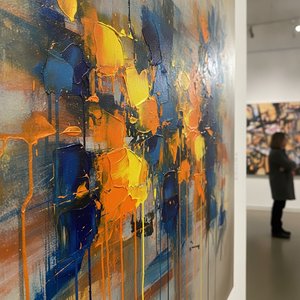
Beyond the Lines: Mastering the High-Impact World of Contemporary Abstraction
Master the high-impact world of contemporary abstraction. Discover how bold colors, textures, and modern movements like Abstract Expressionism can transform your space with premium, high-energy art curated for the design-conscious professional.

几何抽象艺术十大杰作:定义现代家居装饰的经典之作
探索几何抽象艺术的十大杰作!康定斯基、蒙德里安等大师作品,色彩构成与非具象之美。OriginalUniqueArt.com提供博物馆级艺术复制品,为您的家居带来现代艺术灵感。立即在线探索完整系列!

Kandinsky's Masterpieces: 25 Paintings That Define Abstract Art | OriginalUniqueArt
Journey through Wassily Kandinsky's 25 most iconic abstract paintings. Explore his revolutionary use of color, form & spiritual expressionism. Find museum-quality Kandinsky reproductions and elevate your home decor with OriginalUniqueArt.com. Discover all masterpieces on OriginalUniqueArt.com!
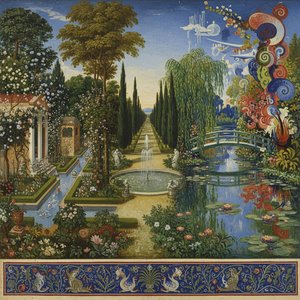
Cultivating Paradise: A Historical & Artistic Exploration of Gardens in Painting
Explore the rich history of gardens in painting! Discover masterpieces from Renaissance to Impressionism & beyond. Learn about symbolism, artists like Monet & Klimt, and find your perfect artwork at OriginalUniqueArt.

抽象表现主义:十幅定义艺术史的杰作
探索抽象表现主义的十幅经典杰作!波洛克、罗斯科等大师作品,揭秘艺术史上的重要瞬间。OriginalUniqueArt.com为您呈现高品质艺术品复制和精选家居装饰方案,感受现代艺术的力量与魅力。立即浏览全系列!


