
 实景预览
实景预览
 分享
分享 分享
分享
 详情
详情 指南
指南

 下载作品
下载作品
 相似作品
相似作品 X射线
X射线 幻灯片播放
幻灯片播放 Q&A
Q&A 统计数据
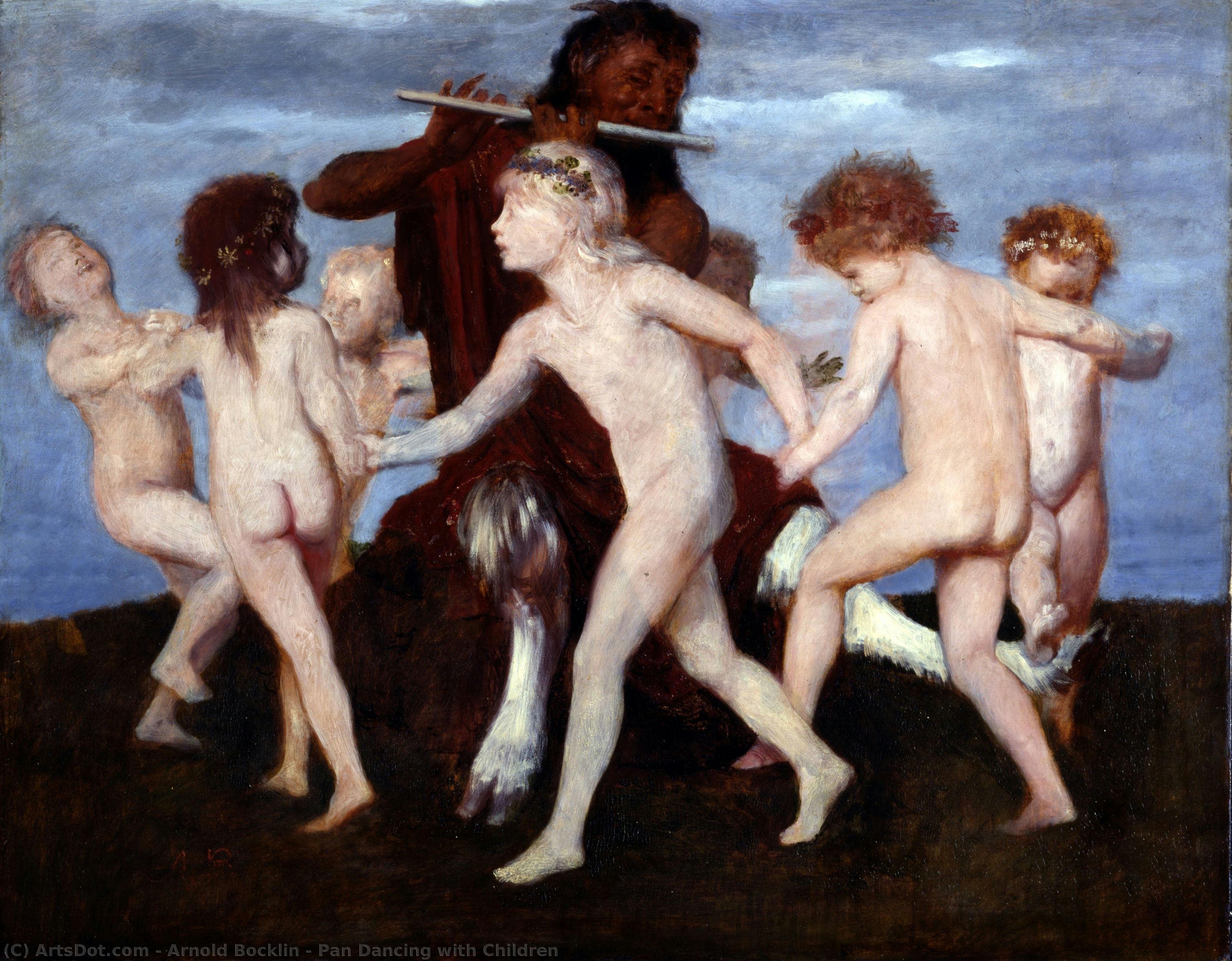
统计数据Pan Dancing with Children


 展开全文
展开全文
艺术微喷/版画
博物馆级艺术微喷或帆布版画,制作高效,并提供多种饰面选择。 ( 订购纯手工绘制画作 切换至数字图像销售渠道)




P118B ¥10

P118H ¥10

P118W ¥10

P438Z ¥10

P508JH ¥12

P508YH ¥12

P805H ¥10

P805Z ¥10

P919BZ ¥10

P919G ¥10

P919XJ ¥10

P959ZH ¥10

P968JZ ¥12

W106C ¥8

W218G ¥10

W218JH ¥8

W218Y ¥10

W307PJ ¥10

W316G ¥10

W316PJ ¥8

W316Y ¥10

W398PJ ¥8

W4111J ¥10

W500HY ¥15

W500JH ¥15

W692G ¥12

W849H ¥8

W940BG ¥15

W953PJ ¥8




您可以从与原作比例一致的预设尺寸中进行选择。

请输入您所需的宽度和高度,以适配您的画框或墙面。由于印刷品只能进行裁剪,无法超出原图尺寸,因此若比例不一致,画面的一部分将会被裁切。在正式印刷之前,我们会为您发送一份数字效果图供您确认。本页面显示的图片并非最终裁剪后的效果——只有效果图才能展示真实的裁剪情况。


 玻璃选项仅适用于110厘米以下的尺寸。

Pan Dancing with Children
艺术微喷/版画
复刻品尺寸
-


最终结算价
¥ 537
The Enigmatic Dance: Arnold Böcklin’s “Pan Dancing with Children”
Arnold Böcklin's "Pan Dancing with Children," painted around 1884, isn’t merely a depiction of a pastoral scene; it’s an immersion into a realm of mythic beauty and unsettling serenity. This captivating work, currently residing within the Museum Folkwang in Essen, Germany, transcends simple representation, offering instead a profound meditation on childhood innocence, primal connection to nature, and the lingering presence of ancient spirits. Böcklin, a key figure in the Symbolist movement, masterfully employed a muted palette—primarily ochres, browns, and deep greens—to create an atmosphere thick with twilight and dreamlike suggestion. The figures themselves are rendered with a remarkable degree of detail, yet possess an almost ethereal quality, as if caught between worlds.
The painting’s composition is deliberately ambiguous. A central group of nude children, seemingly unburdened by adult concerns, frolic around Pan, the god of the wild, shepherds, and flocks. They are engaged in a variety of activities: playing musical instruments crafted from branches, holding hands in playful circles, and gazing upwards with an expression that blends curiosity and contentment. The inclusion of putti—small winged infants—further enhances the sense of otherworldly grace and innocence. Notice how Böcklin subtly integrates elements of classical mythology – the flute Pan holds is a direct reference to the god’s traditional instrument – alongside the rustic setting, creating a harmonious blend of ancient lore and contemporary observation.
A Glimpse into Symbolist Aesthetics
Böcklin's work firmly establishes him as a pivotal figure in the Symbolist movement, which sought to evoke emotions and ideas rather than simply depict reality. Rejecting the naturalism prevalent in earlier art movements, Symbolists like Böcklin prioritized subjective experience and explored themes of death, memory, and the subconscious. “Pan Dancing with Children” exemplifies this approach through its evocative atmosphere and symbolic imagery. The painting’s muted colors, soft lighting, and dreamlike quality contribute to a sense of melancholy and longing—a feeling that resonates deeply within the viewer.
The choice of nudity is particularly significant. It isn't presented in a provocative manner but rather as an embodiment of primal innocence and connection to nature. The children’s vulnerability underscores their purity, while their joyful dance suggests a liberation from worldly concerns. Böcklin’s meticulous attention to detail—from the texture of the children’s skin to the delicate folds of their clothing—further emphasizes their tangible presence within the scene.
Technique and Materials: A Masterful Blend
While often categorized as a painting, “Pan Dancing with Children” incorporates elements of mixed media. Böcklin skillfully combined oil paints with photographic techniques, creating a unique visual texture that blends the immediacy of photography with the depth and richness of traditional painting. This hybrid approach allowed him to capture fleeting moments of light and shadow, imbuing the scene with an unparalleled sense of realism. The use of layering and glazing—applying thin washes of paint over previous layers—contributes to the work’s luminous quality and creates a subtle interplay of colors.
The artist's background in Düsseldorf, associated with the school known for its emphasis on realistic depiction, is evident in the meticulous rendering of the figures and their surroundings. However, Böcklin departs from traditional academic techniques by prioritizing atmosphere and emotional impact over precise representation. This deliberate shift reflects his commitment to Symbolist principles and his desire to create a work that transcends mere visual observation.
Symbolism and Interpretation: Echoes of Ancient Myths
Beyond its aesthetic qualities, “Pan Dancing with Children” is rich in symbolic meaning. Pan himself represents the untamed spirit of nature—a force both benevolent and potentially dangerous. The children’s dance can be interpreted as a celebration of life, joy, and connection to the natural world. However, there's also an undercurrent of melancholy—a sense that this idyllic scene is fleeting and destined to fade away. The painting subtly evokes themes of mortality and the cyclical nature of time.
The inclusion of ancient myths – Pan’s role as a shepherd god, the presence of putti – connects the work to a broader cultural heritage, suggesting a timeless resonance between humanity and the natural world. Böcklin's masterful use of symbolism invites viewers to engage in their own interpretations, creating a deeply personal and emotionally resonant experience. Reproductions of this iconic artwork continue to captivate audiences with its haunting beauty and profound sense of mystery.
常见问题与解答
阿诺德·勃克林 的《Pan Dancing with Children》 是如何将 Symbolist Painting 与艺术家的祖籍国联系在一起的?
《Pan Dancing with Children》由出生于 瑞士 的 阿诺德·勃克林 在 Symbolist Painting 运动背景下创作而成。艺术家的原籍地使这部作品与 瑞士 艺术家所实践的 Symbolist Painting 风格紧密相连。
“Pan Dancing with Children” 是什么类型的作品?
“Pan Dancing with Children”是一件WallArt作品。
我能查看阿诺德·勃克林 的《Pan Dancing with Children》的X光影像吗?
您可以在作品的 X射线透视 页面上逐层探索 “Pan Dancing with Children”;该交互式查看器的设计灵感源自修复师使用的光源台,通过十一层光学读数呈现图像细节。
艺术家简介
早年生活与艺术训练
阿诺德·勃克林 (Arnold Böcklin) 是一位享誉世界的瑞士象征主义画家,于1827年10月16日出生在瑞士巴塞尔。他的父亲 克里斯蒂安·弗雷德里克·勃克林 出身于沙夫豪森的一个古老家族,从事丝绸贸易。阿诺德的母亲 乌苏拉·利佩 亦是巴塞尔本地人。在艺术启蒙阶段,他在杜塞尔多夫学院师从希尔默 (Schirmer),并与 安塞尔姆·费尔巴哈 结下了深厚的友谊。作为杜塞尔多夫画派的重要成员,勃克林早期的艺术根基深植于这一传统之中。艺术生涯与象征主义
勃克林的艺术征途跨越了多个艺术之都,包括他在卢浮宫工作的巴黎,以及深受古罗马景观启发的罗马。他的作品常以古典建筑为背景,通过寓言化与神话化的形象,深刻地探讨着死亡与生命无常的主题。- 《大公园》是他早期的代表作之一,展现了古老神话的魅力。
- 《宁芙与萨堤尔》(1858) 与 《萨福》(1859) 是这一时期的杰出作品。
- 勃克林的 《我的自画像:死神在拉小提琴》 (1872) 完美诠释了他那独树一帜的艺术风格。
传承与影响
勃克林最为人所熟知的莫过于他创作的五个版本的 《死之岛》 (1880-1886)。这组作品唤起了他在佛罗伦萨那座埋葬着女儿的英国式墓园的哀思。他的艺术造诣不仅影响了汉斯·托马等后辈艺术家,更激发了多位晚期浪漫主义作曲家的创作灵感。- 著名评论家克莱门特·格林伯格曾将勃克林的作品描述为那个时代“最完美的表达之一”。
- 勃克林的风格与拉斐尔前派有着交集,共同强调梦境世界与神秘主义的意蕴。
博物馆与收藏
勃克林的作品现存于世界各大博物馆,包括:在 OriginalUniqueArt 探索更多勃克林的作品及象征主义运动: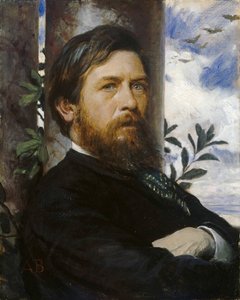
阿诺德·勃克林
1827 - 1901 , 瑞士
艺术家简介
- Artistic Movement Or Style: 象征主义
- Artists Or Movements Influenced By This Artist:
- 汉斯·托马
- 拉斐尔前派
- Artists Who Influenced This Artist:
- 希尔默
- 费尔巴哈
- Date Of Birth: 1827年10月16日
- Date Of Death: 1901年1月16日
- Full Name: 阿诺德·勃克林
- Nationality: 瑞士
- Notable Artworks:
- 死岛
- 宁芙与萨堤尔
- 萨福
- 自画像
- Place Of Birth: 瑞士巴塞尔
相关文章
Timeless Legends: A Curated Guide to the Eternal Allure of Mythological Masterpieces
Embark on a sophisticated journey through the eternal allure of mythological art. Discover how master painters breathe life into ancient legends, from Greek deities to Baroque masterpieces, and learn to curate these timeless narratives within your own exquisite art collection.
Echoes of Olympus: Mythological Narratives in Western Art Through the Ages
Explore the captivating history of mythological narratives in Western art! From ancient Greece to modern masterpieces, discover iconic artworks & symbolism. Expert analysis and high-quality reproductions at OriginalUniqueArt.
Sir Nathaniel Dance-Holland: Portraiture, Patronage & Georgian Identity
Explore the life & art of Sir Nathaniel Dance-Holland, a leading Georgian portraitist. Discover his masterful technique, influential patrons, and lasting impact on 18th-century British society. A guide for discerning collectors.
Move to the Beat: Bold & Iconic Dance Art to Electrify Your Space
Elevate your space with bold, iconic dance art. From street art vibes to Pop Art masterpieces, discover high-impact, hand-painted reproductions and custom commissions designed to move you. Transform your walls with the rhythm of contemporary culture.

Timeless Legends: The Eternal Allure of Mythological Figures in Masterpiece Art
Explore the profound beauty of mythological figures through the lens of art history. From Renaissance masterpieces to custom oil reproductions, discover how legendary tales of heroism and divinity are immortalized in fine art for discerning collectors.
