

 分享
分享 分享
分享
 详情
详情 指南
指南

 下载作品
下载作品
 相似作品
相似作品 幻灯片播放
幻灯片播放 Q&A
Q&A 统计数据
统计数据Vénus au collier


 展开全文
展开全文
艺术微喷/版画
博物馆级艺术微喷或帆布版画,制作高效,并提供多种饰面选择。 ( 订购纯手工绘制画作 切换至数字图像销售渠道)




































您可以从与原作比例一致的预设尺寸中进行选择。

请输入您所需的宽度和高度,以适配您的画框或墙面。由于印刷品只能进行裁剪,无法超出原图尺寸,因此若比例不一致,画面的一部分将会被裁切。在正式印刷之前,我们会为您发送一份数字效果图供您确认。本页面显示的图片并非最终裁剪后的效果——只有效果图才能展示真实的裁剪情况。


 玻璃选项仅适用于110厘米以下的尺寸。

Vénus au collier
艺术微喷/版画
复刻品尺寸
-


最终结算价
¥ 537
The Serene Power of Maillol’s *Vénus au Collier*
Aristide Maillol's *Vénus au Collier*, sculpted between 1918 and 1928, isn’t merely a depiction of a woman; it’s an embodiment of timeless grace and a profound meditation on the relationship between form, stillness, and the subtle poetry of gesture. Emerging from the fertile ground of early 20th-century French sculpture, this work represents a pivotal moment in Maillol's artistic evolution – a deliberate retreat from the overt naturalism of his earlier years towards a refined, almost austere aesthetic that would profoundly influence generations of artists. The piece, cast around 1930, captures a woman in a state of quiet contemplation, holding a mirror to her reflection, an act imbued with both vulnerability and self-awareness. It’s a scene stripped bare of extraneous detail, focusing instead on the exquisite curve of the body, the smooth planes of the skin, and the delicate suggestion of movement within the pose. Maillol's genius lies in his ability to evoke emotion not through dramatic narrative or overt expression, but through the sheer elegance of form itself.A Sculptor’s Journey: From Painter to Master of Stone
Maillol’s artistic trajectory is a fascinating one, beginning with an initial passion for painting and a flirtation with the Symbolist movement – particularly evident in his early work alongside figures like Pierre Bonnard and Maurice Denis. However, it was through his encounter with Paul Gauguin that he began to question the limitations of representation, seeking instead a more symbolic language rooted in decorative arts and classical ideals. This shift is powerfully reflected in *Vénus au Collier*. He abandoned the vibrant colors and dynamic compositions of his earlier paintings, embracing the cool, muted tones of bronze and prioritizing the fundamental principles of sculpture: solidity, balance, and timelessness. The work demonstrates a deliberate rejection of academic conventions, favoring instead a simplified, almost geometric approach to form – a hallmark of Maillol’s mature style. The choice of bronze itself is significant; it lends an enduring quality to the piece, mirroring the artist's desire for works that transcend fleeting trends and speak across generations.Symbolism in Stillness: The Mirror and the Gesture
At first glance, *Vénus au Collier* appears remarkably serene, almost meditative. Yet, closer observation reveals a subtle complexity of gesture. The woman’s hand holding the mirror is not simply an act of vanity; it's a deliberate engagement with self-reflection – a moment of quiet introspection within a world often defined by external demands. The placement of the necklace across her shoulders adds another layer of symbolic meaning, subtly altering the figure’s posture and creating a dynamic tension between stillness and movement. Interestingly, the original necklace was later removed from the sculpture, a decision that dramatically shifted its interpretation. The removal transformed the gesture into something more abstract, emphasizing the woman's pose and the inherent beauty of her form. This act highlights Maillol’s belief that art should be about capturing essence rather than replicating surface detail.A Legacy in Bronze: Influence and Enduring Appeal
*Vénus au Collier* stands as a testament to Aristide Maillol’s profound impact on 20th-century sculpture. His work bridged the gap between Symbolism and Modernism, paving the way for artists like Henry Moore who would later explore similar themes of simplification and abstraction. The piece's enduring appeal lies in its ability to evoke a sense of quiet contemplation and timeless beauty – qualities that resonate deeply with viewers across cultures and generations. Reproductions of *Vénus au Collier* offer an accessible entry point into Maillol’s world, allowing individuals to experience the serenity and grace of this iconic sculpture within their own homes or spaces. Its elegant form and subtle symbolism make it a captivating addition to any collection, reflecting a timeless appreciation for beauty and introspection.常见问题与解答
哪里可以找到与 阿理斯蒂德·马约尔 的《Vénus au collier》 风格相似的艺术品?
与“Vénus au collier”相似的作品已列在艺术品的 相似作品 页面中。
"Vénus au collier"创作于哪一年,属于哪种艺术流派?
"Vénus au collier"创作于1828年,属于Classical Modernism运动时期的作品。其创作年代与艺术流派确立了该作品在艺术史上的地位。
阿理斯蒂德·马约尔 的《Vénus au collier》 是如何将 Classical Modernism 与艺术家的祖籍国联系在一起的?
《Vénus au collier》由出生于 法国 的 阿理斯蒂德·马约尔 在 Classical Modernism 运动背景下创作而成。艺术家的原籍地使这部作品与 法国 艺术家所实践的 Classical Modernism 风格紧密相连。
艺术家简介
石刻中的生命:阿里斯蒂德·马约的世界
阿里斯蒂德·约瑟夫·博纳文图尔·马约(Aristide Joseph Bonaventure Maillol),这个名字本身就是20世纪初雕塑艺术中那份宁静力量与古典美感的代名词。他出身于法国巴尼约叙尔梅尔(Banyuls-sur-Mer)的一个小渔村,起步平凡。生于1861年的他,其艺术旅程并非一蹴而就的成名之路,而是一场渐进式的绽放,一种对视觉审美的深思熟虑与精炼,最终使他成为了连接象征主义与蓬勃发展的现代雕塑世界的关键人物。起初,马约被绘画所吸引,在巴黎美术学院(École des Beaux-Arts)的早期学习让他接触到了当时盛行的学院派风格,然而,正是皮埃尔·皮维·德·沙瓦纳(Pierre Puvis de Chavannes)以及至关重要的保罗·高更(Paul Gauguin)等同时代艺术家的影响,真正点燃了他的艺术灵魂。高更鼓励他背离严谨的写实主义,转而追求对装饰艺术的欣赏以及对更深层、更具象征意义的表达的探索——这颗种子在马约后期的作品中开出了绚烂之花。这种鼓励促使他在1893年于巴尼约建立了一间挂毯工作室,那是一段充满密集技术学习与美学探索的时期,磨炼了他的技艺,并为他最终对形式的精湛掌控奠定了基础。从挂毯到永恒的形式
从绘画与挂毯设计向雕塑的转型并非瞬间完成,而是在他四十岁左右经历的一场缓慢且深思熟虑的演变。马约开始尝试创作小型的陶土人像,随着自信心和技术熟练度的提升,他的艺术雄心也逐渐扩大。这一转变恰逢当时主流艺术趋势的动荡期,尤其是对奥古斯特·罗丹(Auguste Rodin)所倡导的那种戏剧化写实主义日益产生不满。在承认罗丹天才的同时,马约寻求一条截然不同的道路——一条植根于美、平衡与持久形式的古典理想之路。他拒绝转瞬即逝的情感宣泄,转而追求一种更具永恒感的纪念碑式品质,强调人体内在的结构与稳定性。这不仅仅是一种审美选择,更是一种哲学抉择,反映了他相信艺术能够超越短暂的表象并与普遍真理相连的信念。他的雕塑并非旨在塑造个人的肖像,而是作为原型人物的化身——是对人类本质本身的呈现。女性形体:宁静的丰碑
女性形象成为了马约艺术探索的核心主题,正是通过对女性的描绘,他赢得了持久的声誉。这些作品并非传统意义上的理想化表现;相反,它们拥有一种扎实的肉体感,一种沉稳的重量与存在感,使其区别于那些更为空灵的刻画。他的雕塑人物常以仰卧或轻盈运动的状态出现,其形态中蕴含着宁静的从容与内在的力量。《地中海》(La Méditerranée)(1902-1905)或许是他最负盛名的杰作,完美诠释了这一创作手法——他以一种深邃的平和感与永恒感,纪念碑式地描绘了他的妻子。其他重要作品,如《连锁动作》(Action enchaînée)(1905-1908)和《法兰西岛》(L'Ile-de-France)(1925),展示了马约在稳定的古典框架内传达动态的能力。除了雕塑,他还涉足木刻与版画,为维吉尔的《牧歌》和保罗·魏尔伦的《为她而唱》等文学名著创作插图,进一步展现了他艺术领域的广度与多变性。传承与持久的影响
阿里斯蒂德·马约对现代雕塑发展的影响是无可置疑的。他果断地拒绝罗丹式的戏剧化写实主义,转而拥抱古典原则,这为包括亨利·摩尔(Henry Moore)在内的新一代雕塑家开辟了道路,后者深受其简化形式与纪念碑式尺度的启发。他代表了象征主义与新兴现代主义运动之间至关重要的纽带,为欧洲艺术中的古典具象化确立了延续数十年的标准。他的晚年生活因与迪娜·维尔尼(Dina Vierny)的亲密关系而为人所知,她不仅是他的模特,更是他遗产的忠实管理者,确保了他的作品得以保存与推广。即便在第二次世界大战的动荡岁月中,马约仍坚持在巴尼约叙尔梅尔相对隐蔽地进行创作,并始终坚守其艺术愿景,直到1944年因一场车祸不幸逝世。如今,巴黎的马约博物馆(Musée Maillol)成为了他永恒遗产的见证,馆内收藏了其丰富的雕塑与素描作品——在这里,参观者可以沉浸于他艺术中那份宁静的美感与跨越时空的力量。他的作品持续激发着人们的敬畏与赞叹,提醒着我们:雕塑拥有捕捉人类形态与精神本质的深邃力量。
阿理斯蒂德·马约尔
1861 - 1944 , 法国
艺术家简介
- Artistic Movement Or Style: 古典雕塑, 象征主义
- Artists Or Movements Influenced By This Artist: ['亨利·摩尔']
- Artists Who Influenced This Artist:
- 皮埃尔·于维·德·沙凡
- 保罗·高更
- Date Of Birth: 1861年
- Date Of Death: 1944年
- Full Name: 阿理斯蒂德·约瑟夫·博纳文图尔·马约尔
- Nationality: 法国
- Notable Artworks:
- 地中海
- 连锁动作
- 法兰西岛
- Place Of Birth (City And Country): 法国,巴尼果勒-苏尔-梅尔
相关文章

The Enduring Legacy of Bronze Sculpture: A Collector's Guide to Form & Cultural Significance
Explore the rich history & enduring appeal of bronze sculpture with expert insights for collectors at OriginalUniqueArt. Learn about casting techniques, iconic artists, and collecting tips to build a discerning art collection.

Bronze Age to Modern Masters: 10 Sculptures That Redefined Art | OriginalUniqueArt
Journey through art history with 10 legendary bronze sculptures – from Michelangelo's David to Rodin’s Thinker. Explore the stories, techniques & timeless beauty of these masterpieces. Find museum-quality reproductions & elevate your home decor on OriginalUniqueArt.com.

The Enduring Legacy of Bronze: A Historical & Artistic Exploration for the Collector
Explore the rich history & enduring appeal of bronze sculpture with expert insights for collectors at OriginalUniqueArt. Learn about casting techniques, iconic artists, collecting tips & contemporary interpretations.

Bronze Sculptures That Defined Art History | OriginalUniqueArt
Journey through art history with our Top 10 bronze sculptures! Explore masterpieces by Rodin, Michelangelo & more. Discover stories behind iconic statues and find museum-quality reproductions for your home decor at OriginalUniqueArt.com.
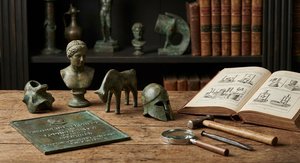
青铜艺术的永恒遗产:历史、技艺与收藏家的鉴赏之道
探索青铜艺术的辉煌历史、精湛技艺与收藏价值。深入了解失蜡法铸造工艺,掌握青铜器鉴赏技巧,规避市场风险。OriginalUniqueArt.com为您提供专业的艺术咨询和定制服务。
