- 首页

- 数字图像作品
- arcangelo ianelli
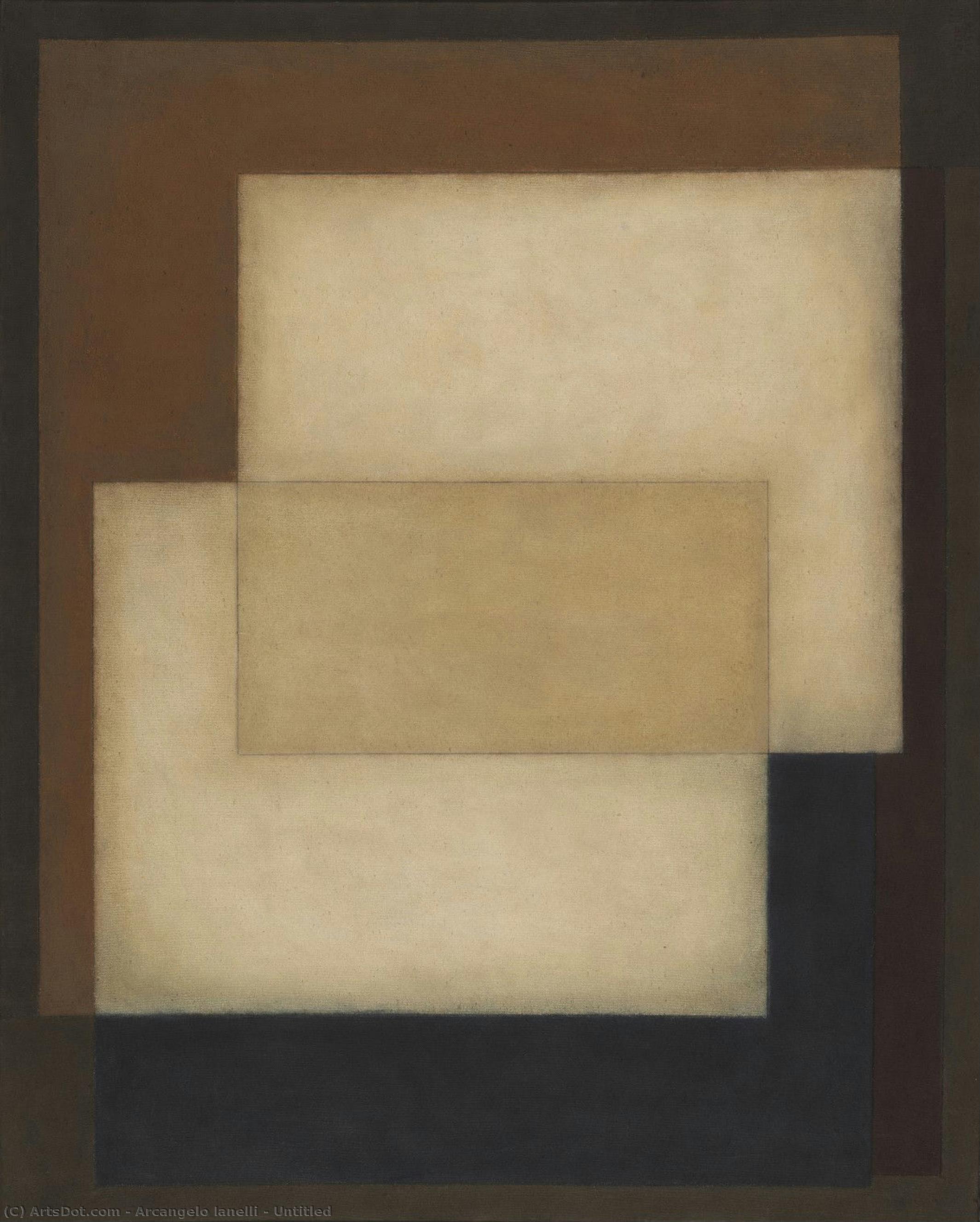
- Untitled
 Preview
 分享
分享 分享
分享
 详情
详情

 下载
下载
 相似作品
相似作品 X射线
X射线 幻灯片播放
幻灯片播放Untitled


 展开详情
展开详情
购买高分辨率增强版数字图像,其品质远超在线预览。
每一份文件都由我们的内部专家使用先进工具与专业的后期润色技术精心打造。我们确保每一张图像都具备卓越的清晰度、精准的色彩还原度以及细腻的细节表现。
最终文件将在 72 小时内通过电子邮件交付,并针对专业、编辑及印刷用途进行了优化。其品质与顶级设计工作室、出版社和画廊所信赖的标准完全一致。
数字图像
下载高分辨率文件,用于个人展示、打印及创意项目。 ( Switch to Print Switch to hand made Painting)
每份数字图像订单均包含
专业数字图像交付,品质保障
选择 OriginalUniqueArt.com,您获得的不仅仅是一张图像——您收到的是经过专业级增强、精雕细琢的数字艺术作品,并享有满意保证。以下是您的订单中自动包含的所有内容:

邮件快速送达
您的高分辨率数字图像文件将在下单后 72 小时内通过电子邮件发送给您 —— 即可立即使用。

AI 增强型数字文件
您的艺术品经过专业优化,结合先进的 AI 技术与人工修饰,确保呈现极致的细节、清晰度与色彩准确度。

终身免费重发服务
不小心删除了文件或找不到了?没关系——我们将随时为您免费重发。

无需进口费用,始终如一
即刻拥有您的艺术作品,无需支付任何关税、税费或运费——数字下载始终免税。

色彩精准保证
我们通过专业工具与色彩管理技术,确保您的数字图像尽可能真实地还原原作色彩。

60天满意保证
如果您对所购买的数字图像不满意,我们将在60天内为您进行修改或退还100%的款项——无需任何解释。

100% 退款保证
如果不满意?在收到数字文件后的60天内,我们为您提供全额退款——无需任何理由。

批量订单优惠
购买 3 张图片可享 10% 折扣 - 购买 5 张可享 15% 折扣 - 购买 10+ 张可享 20% 折扣。非常适合创意项目、画廊和机构使用。
艺术家简介
Early Life and Artistic Beginnings
Arcangelo Ianelli, born in São Paulo, Brazil, in 1922, embarked on a lifelong journey of artistic exploration that would firmly establish him as a significant figure within the Brazilian abstract art scene. Though largely self-taught, his early dedication to drawing was nurtured by foundational studies in perspective at the São Paulo Association of Fine Arts in 1940 and brief guidance from Colette Pujol in private painting lessons during 1942. However, it was a six-month period spent in Waldemar da Costa’s studio around 1944 that proved particularly formative, introducing him to artists like Lothar Charoux, Hermelindo Fiaminghi, and Maria Leontina—a network of peers who would shape his early artistic development. From the outset, Ianelli demonstrated a commitment to technique, even as he forged an independent path, prioritizing self-discovery over rigid academic constraints.
The Grupo Guanabara Years and Transition to Abstraction
The 1950s marked a pivotal period in Ianelli’s career with his involvement in the Grupo Guanabara. This collective of 34 artists—many of whom were Italian or Japanese immigrants, or their descendants—provided a crucial platform for emerging talents and fostered an environment of shared experimentation. Alongside Manabu Mabe, Yoshiya Takaoka, and Tikashi Fukushima, Ianelli began to move away from figurative representation towards the possibilities of abstraction. His early works from this period often depicted everyday scenes, urban landscapes, and seascapes, but even within these representational forms, a tendency toward formal synthesis and a restrained chromatic palette hinted at his evolving aesthetic sensibilities. The transition wasn’t abrupt; paintings like “Arvoredo” and “Casas,” both created in 1960, reveal figures undergoing geometric simplification—a first step towards the non-objective explorations that would define much of his later work.
Exploring the Essence of Form and Color
Ianelli’s artistic pursuit was characterized by a relentless search for what he termed “the indispensable.” As he delved deeper into abstraction, his canvases became fields for investigating the fundamental properties of form and color. The 1960s saw the emergence of works like “Três Forms” (1963), where irregular rectangles in muted tones were painted onto dark backgrounds, emphasizing the materiality of paint itself. This exploration intensified throughout the decade with the “Grafismos” series, where Ianelli thickened canvases with incised lines, creating tactile surfaces reminiscent of rock formations—a testament to his interest in natural textures and their interplay with abstract composition. He wasn’t merely abandoning representation; he was seeking a deeper, more essential language through pure visual means.
Geometry, Light, and the Pursuit of Emotional Space
The 1970s witnessed Ianelli's increasing engagement with geometric abstraction, drawing parallels to concretism. Compositions became structured around repeating shapes and regular alternations, generating optical effects that imbued his paintings with a sense of movement. Simultaneously, he experimented with “Transparencies,” employing tempera to create diaphanous layers of color—subtle overlaps of squares and rectangles that evoked luminosity. This period marked a shift towards prioritizing light as a central element in his work. By the 1980s, Ianelli began to relinquish defined contours altogether, allowing fields of color to expand toward the edges of the canvas, creating an immersive experience for the viewer. As curator Denise Mattar eloquently observes, his large canvases became “fields of vibration of light where color is expanded…creating an emotional space, an atmosphere that involves the spectator with a poetic emotion.”
Legacy and Historical Significance
Arcangelo Ianelli’s work stands as a testament to the power of sustained artistic inquiry. His dedication to abstraction wasn't merely stylistic; it was a philosophical pursuit—a quest for essential forms and colors that transcended the limitations of representation. His involvement with Grupo Guanabara helped shape the landscape of Brazilian modernism, fostering dialogue and experimentation among a diverse group of artists. The preservation of his legacy by his children, Katia and Rubens Ianelli, has ensured that future generations can appreciate the depth and nuance of his work. Ianelli’s paintings continue to resonate with viewers today, offering a compelling vision of abstraction as a means of evoking profound emotional responses and exploring the very essence of visual experience. His influence extends beyond painting, impacting sculpture and illustration, solidifying his position as an “essential artist” within the rich tapestry of Brazilian art history.

arcangelo ianelli
1922 - 2009 , Brazil
基本信息
- Artistic Movement Or Style: Abstract painting
- Date Of Birth: July 18, 1922
- Date Of Death: May 26, 2009
- Full Name: Arcangelo Ianelli
- Nationality: Brazilian
- Place Of Birth: São Paulo, Brazil

