
 效果预览
效果预览
 购买印刷品
购买印刷品 分享
分享 分享
分享
 详情
详情

 下载
下载
 相似作品
相似作品 X射线
X射线 幻灯片播放
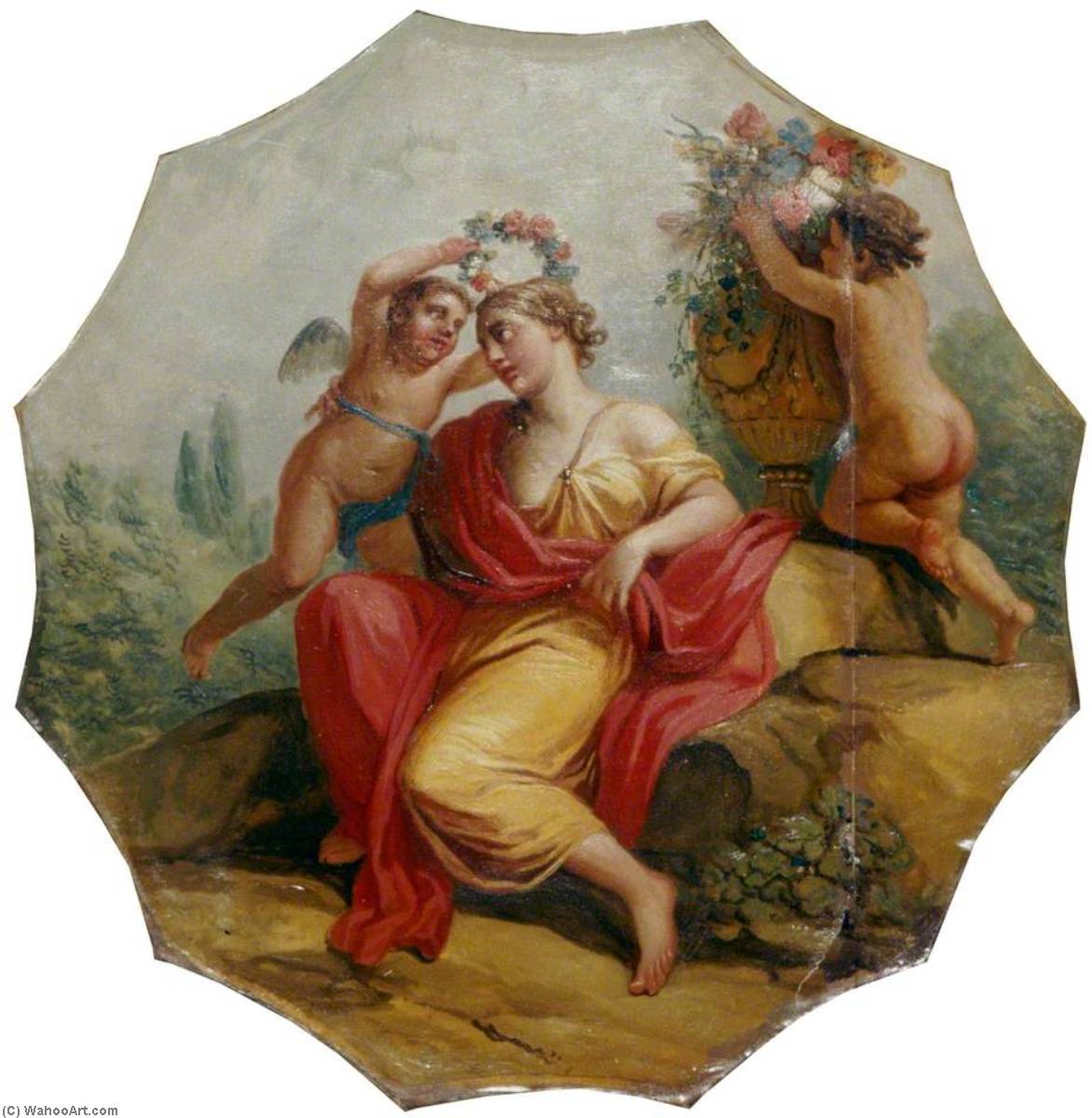
幻灯片播放Spring
 Acrylic On Canvas
- WallArt
- Neoclassical
 1769
1769 59.0 x 57.0 cm
 伦敦塔桥皇家宫殿
 展开详情
展开详情




P118B $10

P118H $10

P118W $10

P438Z $10

P508JH $12

P508YH $12

P805H $10

P805Z $10

P919BZ $10

P919G $10

P919XJ $10

P959ZH $10

P968JZ $12

W106C $8

W218G $10

W218JH $8

W218Y $10

W307PJ $10

W316G $10

W316PJ $8

W316Y $10

W398PJ $8

W4111J $10

W500HY $15

W500JH $15

W692G $12

W849H $8

W940BG $15

W953PJ $8




从与原作比例一致的预设尺寸中进行选择。

您可以输入自定义尺寸,以适配特定的画框或空间。如果所选尺寸与原图比例不符,我们将通过裁剪作品或添加手绘元素来扩展画面。数字样稿将在制作开始前发送给您确认。
请注意,屏幕预览无法准确反映实际的裁剪或扩展效果,只有样稿才能真实呈现最终的构图。
虽然我们提供定制尺寸服务,但为了保留原作比例,建议您从预设列表中选择尺寸。
下单后,OriginalUniqueArt.com 团队将通过电子邮件联系客户获取具体要求,并提供效果预览图。


 玻璃选项仅适用于110厘米以下的尺寸。

Spring
复制材质
复制品尺寸
-


最终总价
$ 300
Antonio Zucchi’s “Spring,” A Venetian Masterpiece of Light and Grace
Within the opulent Adam Library at Kenwood House in London resides a breathtaking ceiling fresco, a testament to the artistic vision of Antonio Zucchi – a Venetian painter who flourished during the mid-18th century. “Spring,” painted in 1769, isn’t merely a decorative element; it's a carefully orchestrated tableau of serenity and gentle beauty, capturing a fleeting moment of idyllic repose amidst a winter landscape. The panel, measuring approximately 59 x 57 cm, is executed with Zucchi’s signature mastery of pastel and oil, blending delicate hues to create an atmosphere of luminous warmth against the cool backdrop of snow-laden trees.
Zucchi's style during this period leaned heavily towards a refined elegance, influenced by the Venetian tradition of *vedute* – landscape views – but imbued with a distinctly personal sensibility. He moved beyond simple representation, striving to evoke mood and emotion through subtle shifts in color and light. Notice how he doesn’t depict a harsh winter scene, but rather one softened by an unseen warmth; the snow is rendered as a gentle, almost ethereal white, while the figures are bathed in a golden glow emanating from a central fire. This deliberate choice immediately establishes a sense of comfort and domesticity, inviting the viewer into the intimate space depicted.
A Scene of Quiet Contemplation
The composition centers around three figures: a woman and child, nestled within a richly appointed interior, and a third individual carrying firewood. The woman’s head rests gently on the shoulder of a cherubic figure – an angel or cupid – suggesting a moment of shared solace and affection. The details are remarkably refined; observe the intricate folds of the clothing, the delicate rendering of the child's face, and the subtle expressions conveying contentment and peace. There is no overt drama or narrative; instead, Zucchi presents a simple, yet profoundly moving, scene of domestic harmony.
The inclusion of two vases – one positioned near the top right corner and another towards the bottom left – adds an element of classical grace to the composition. These aren’t merely decorative additions; they subtly reference the artistic conventions of the era, echoing the themes of abundance and fertility often associated with springtime. The placement is deliberate, drawing the eye across the panel and reinforcing the sense of balance and equilibrium.
Technique and Venetian Influence
Zucchi’s technique is characterized by a remarkable ability to capture light and texture. He employs layers of translucent paint – a hallmark of Venetian painting – to create an illusion of depth and luminosity. The colors are rich and vibrant, yet tempered with a delicate pastel quality that lends the scene an air of ethereal beauty. The brushwork is remarkably smooth and refined, reflecting Zucchi’s meticulous attention to detail.
His training under Francesco Fontebasso and Jacopo Amigoni in Venice undoubtedly shaped his artistic sensibilities. These masters were renowned for their mastery of color and composition, and Zucchi clearly absorbed much of their expertise. The influence of Venetian painting is evident in the panel’s overall atmosphere – a sense of warmth, light, and refined elegance that distinguishes it from the more austere styles prevalent in other European courts.
Symbolism and Emotional Resonance
“Spring” transcends mere representation; it speaks to universal themes of family, comfort, and the promise of renewal. The scene evokes a feeling of quiet contentment and domestic bliss – a welcome respite from the harsh realities of winter. The cherub’s gesture suggests protection and nurturing, while the woman's repose conveys a sense of peace and security.
More than just a decorative panel, “Spring” is a poignant meditation on the beauty of simple pleasures and the enduring power of human connection. It remains a captivating work of art, offering viewers a glimpse into the refined aesthetic sensibilities of 18th-century Venice and a reminder of the timeless appeal of light, grace, and tranquility.
艺术家简介
弗朗西斯·科茨:英国粉彩画派的先驱
弗朗西斯·科茨(Francis Cotes,1726–1770)在蓬勃发展的英国肖像画领域中占据着举足轻重的地位,他因对粉彩媒介的创新运用以及捕捉人物瞬时神韵的卓越能力而闻名于世。这位出生于伦敦的艺术家曾师从威廉·费索恩(William Faithorne),后者以擅长创作具有戏剧感的群像肖像著称,这段学徒生涯无疑塑造了科茨早期的艺术审美。然而,科茨很快便超越了他的恩师,发展出一种极具个人特色的风格,其核心在于对光影、纹理以及人物心理细微差别的敏锐捕捉。不同于早期英国肖像画中常见的刻板与拘谨,科茨的作品拥有一种鲜活的即时感,这不仅反映了他与模特人格之间的深度交流,也体现了他对周围视觉世界极其敏锐的洞察力。 在他的职业生涯初期,科茨便开始承接显赫家族的委约创作,其中最著名的莫过于为阿斯特利家族创作的《七岁少女及其胞弟爱德华,五岁半》。这幅作品以一种温柔的笔触描绘了童年的纯真,至今仍是他最受人爱戴的杰作之一。这幅画完美诠释了科茨赋予平凡题材以深邃情感共鸣的能力。他巧妙地运用了粉彩——这种在当时的英国尚属新颖的媒介——来达成令人惊叹的色彩与色调效果,精准地捕捉到了皮肤上细腻的红晕、织物的流光溢彩以及光影间微妙的过渡。科茨并非仅仅是在复刻外貌,他正以一种不同于同时代画家的绘画优雅感,将观察到的现实转化为画布上的诗篇。他那松散而富有表现力的笔触营造出一种动感与生命力,为他的肖像画增添了摄人心魄的魅力。技法与影响
科茨精湛的技艺不仅源于其天赋,更得益于他对自然界及前辈大师作品的细致研习。他深受荷兰大师,尤其是伦勃朗的影响,后者利用明暗对比营造戏剧性效果的手法在科茨的肖像画中清晰可见。同时,他也仰慕安东尼·范·戴克(Anthony van Dyck)的作品,并力求模仿其优雅的构图与深刻的心理洞察。然而,不同于范·戴克那种精致华丽的风格,科茨更倾向于一种更为随性的表达方式,他常将模特置于放松的姿态与自然的场景之中。通过对色彩层叠以及力度变化的不断实验,他的粉彩技法得到了进一步升华,从而能够实现惊人的色调范围与质感表现。由此诞生的肖像画不仅仅是容貌的记录,更是对人物性格的亲密研究,每一幅都渗透着一种触手可及的生命气息。代表作品与委约创作
除了那幅标志性的《七岁少女》,科茨还创作了大量的艺术作品,其中包括众多贵族与绅士阶层的肖像。他的创作对象涵盖了罗伯特·皮尔爵士、查尔斯·汤森勋爵以及玛丽·沃特利·蒙塔古夫人等显赫人物。这些委约创作往往源于一种渴望捕捉模特独特个性与社会地位的驱动力,反映了18世纪英国审美趣味的变迁。此外,他的艺术领域并不局限于肖像画,他还创作了风景画与风俗画,展现了其作为艺术家多才多艺的一面。1769年成立的皇家艺术学院高度认可了科茨的贡献,并选举他为创始成员之一,这进一步巩固了他作为当时顶尖艺术家的地位。传承与历史意义
弗朗西斯·科茨的历史遗产主要体现在他在英国粉彩画发展进程中所扮演的先驱角色。他证明了这种媒介在捕捉色彩与色调细微变化方面的巨大潜力,为后世的粉彩艺术家开辟了道路。时至今日,人们赞赏他的肖像画不仅是因为其技术上的卓越,更是因为其中蕴含的心理深度与情感共鸣。科茨的作品代表了从传统正式肖像向更具亲密感与表现力的风格转变,这种转变正契合了启蒙运动的精神内核。他被视为确立英国绘画作为一种独特且充满活力的传统的关键人物,在艺术史上留下了不可磨灭的印记。在他足迹之后,后世艺术家的作品中仍能窥见他的影响,这足以证明他是一位真正的创新者与艺术大师。
安东尼奥·祖基
1726 - 1795 , 英国
艺术家简介
- Artistic Movement Or Style: 可能受范洛影响
- Artists Or Movements Influenced By This Artist:
- 夏尔丹
- 格勒兹
- Artists Who Influenced This Artist: ['让-巴蒂斯特·范·洛']
- Date Of Birth: 1726年10月15日
- Full Name: 弗朗索瓦丝·杜帕克
- Nationality: 西班牙
- Notable Artworks:
- 编织女
- 拿着一袋坚果的男人
- Place Of Birth: 西班牙,穆尔西亚
相关文章

Celestial Messengers: Angels in Painting – A Historical & Artistic Exploration
Explore the captivating history of angels in painting! Discover symbolism, iconic Renaissance & Byzantine masterpieces, and renowned artists. Expert insights for art lovers & collectors at OriginalUniqueArt.

Celestial Messengers: A Comprehensive Exploration of Angelic Representation in Art History
Explore the captivating history of angels in art! Discover symbolism, iconic Renaissance masterpieces & renowned artists. Expert insights for art lovers & collectors at OriginalUniqueArt.

巴洛克戏剧性:将辉煌与情感融入当代室内设计
探索巴洛克艺术的辉煌与奢华!OriginalUniqueArt提供精湛的手工油画复制、定制服务和专业艺术咨询,助您将经典作品融入当代室内设计,提升家居品味。投资艺术,传承价值。

巴洛克艺术的戏剧性辉煌:历史背景、风格特征与持久影响
深入探索巴洛克艺术的辉煌历史、独特风格与持久影响。了解卡拉瓦乔、贝尼尼等大师的作品,洞悉反宗教改革运动下的艺术变革。OriginalUniqueArt.com为您提供专业的艺术解读与高清画作欣赏。

Antonio Zucchi: A Venetian Master of Rococo & Neoclassical Charm
Explore the captivating world of Antonio Zucchi, a Venetian master of Rococo and Neoclassical art. Discover his collaborations with Robert Adam & Angelica Kauffmann, stunning frescoes, and enduring legacy. Learn about collecting Zucchi's works today.


