

 效果预览
效果预览
 分享
分享 分享
分享
 详情
详情 指南
指南

 下载
下载
 相似作品
相似作品 X射线
X射线 幻灯片播放
幻灯片播放 统计数据
统计数据The Goan Beggar
 Acrylic On Canvas
- WallArt
- Bombay School Realism
 1927
1927 79.0 x 67.0 cm
 Museu do Oriente
 展开详情
展开详情
手工油画复制品
由我们的艺术家按需定制,为您提供您所选尺寸及画框的布面手工油画。 ( 切换至版画销售渠道 切换至数字图像销售渠道)




P118B $10

P118H $10

P118W $10

P438Z $10

P508JH $12

P508YH $12

P805H $10

P805Z $10

P919BZ $10

P919G $10

P919XJ $10

P959ZH $10

P968JZ $12

W106C $8

W218G $10

W218JH $8

W218Y $10

W307PJ $10

W316G $10

W316PJ $8

W316Y $10

W398PJ $8

W4111J $10

W500HY $15

W500JH $15

W692G $12

W849H $8

W940BG $15

W953PJ $8




从与原作比例一致的预设尺寸中进行选择。

您可以输入自定义尺寸,以适配特定的画框或空间。如果所选尺寸与原图比例不符,我们将通过裁剪作品或添加手绘元素来扩展画面。数字样稿将在制作开始前发送给您确认。
请注意,屏幕预览无法准确反映实际的裁剪或扩展效果,只有样稿才能真实呈现最终的构图。
虽然我们提供定制尺寸服务,但为了保留原作比例,建议您从预设列表中选择尺寸。
下单后,OriginalUniqueArt.com 团队将通过电子邮件联系客户获取具体要求,并提供效果预览图。


 玻璃选项仅适用于110厘米以下的尺寸。

The Goan Beggar
复制材质
复制品尺寸
-


最终总价
$ 300
The Goan Beggar – A Portrait of Resilience and Quiet Dignity
António Xavier Trindade’s “The Goan Beggar” transcends mere depiction; it's an invitation to contemplate the soul of colonial India through a lens of subtle observation. Painted in 1927, this oil on canvas masterpiece captures not just a man’s physical form but also his inner life—a testament to Trindade’s masterful ability to convey character and emotion with remarkable restraint.
- Subject Matter: The portrait focuses on an elderly Christian wanderer – a figure common amongst itinerant populations across the subcontinent. His attire, notably the grey shirt and humble bag, speaks volumes about his socioeconomic status and underscores Trindade’s keen awareness of social realities prevalent during his time.
- Style & Technique: Trindade adheres to the tenets of Bombay School naturalism, prioritizing realism while retaining a humanist sensibility. The artist skillfully employs muted tones—primarily grey—to imbue the scene with solemnity and depth, reflecting the melancholic gaze of the sitter. Brushstrokes are deliberate yet understated, contributing to an overall impression of tranquility and contemplative stillness.
- Historical Context: Created during British rule in Goa, “The Goan Beggar” serves as a poignant reminder of India’s diverse ethnic tapestry. It reflects the broader artistic movement of its time—the Bombay School—which championed portraying everyday life with dignity and sensitivity. The painting's creation coincided with a period of significant social reform and intellectual discourse concerning colonial governance and indigenous identity.
- Symbolism: Trindade’s choice of symbols – the spiral seashell, rosary beads, and unruly hairstyle – are laden with significance. The seashell represents purity and spiritual contemplation, aligning with Christian iconography. Similarly, the rosary symbolizes faith and devotion, highlighting the sitter's religious beliefs. The unkempt hair embodies simplicity and resistance to societal pressures—a visual metaphor for upholding integrity amidst adversity.
- Emotional Impact: Perhaps most powerfully, “The Goan Beggar” evokes a profound sense of empathy without resorting to sentimentality. Trindade’s depiction captures the quiet dignity of a man living outside conventional social norms, conveying resilience and self-respect—themes that resonate deeply with viewers seeking beauty in understated narratives. References to Shihandi, Marcella, et al; Tavares, Cristina Azevedo et al; Gracias, Fátima offer valuable insight into Trindade’s artistic legacy and the painting's scholarly significance.
A reproduction of this evocative artwork will bring a touch of contemplative elegance to any interior space.
艺术家简介
光影镌刻的生命:安东尼奥·哈维尔·特林德的世界
在印度艺术史的篇章中,安东尼奥·哈维尔·特林德(António Xavier Trindade)这个名字散发着一种沉静而强大的力量。他不仅仅是一位画家,更是一座连接文化的桥梁。1870年,他出生于果阿桑格姆的一个天主教家庭,其艺术旅程始于葡萄牙属印度那郁郁葱葱的自然景观与复杂的殖民历史交织的背景之中。这种成长环境深刻地塑造了他的艺术视野,使他的作品呈现出一种独特的融合:既有西方学院派训练的严谨,又蕴含着对印度生活与性格特质的内在理解。凭借早期的艺术天赋,他进入了著名的孟买贾姆塞特吉·吉吉巴博美术学院(Sir Jamsetjee Jeejeebhoy School of Art)。在这所关键的学府中,他在接触欧洲自然主义的同时,也见证了印度新一代艺术家的崛起。正是在这些神圣的殿堂里,他磨炼技艺,掌握了日后定义其标志性风格的技巧,并于1892年荣获梅奥银奖(Mayo Silver Medal),这便是对他蓬勃才华的有力见证。孟买画派与冉冉升起的明星
特林德在孟买艺术界的崛起是迅速且稳健的。1898年,他被任命为贾姆塞特吉·吉吉巴博美术学院的绘画教师,这不仅让他为后辈的艺术教育做出了贡献,更巩固了他作为新兴孟买画派领军人物的地位。随后,在1914年至1926年间,他担任雷伊艺术工作坊(Reay Workshop of Art)的主管,进一步影响了当时的艺术创作与教学实践。然而,成就他的并非仅仅是体制内的认可,更是其作品本身那令人沉醉的品质。虽然起初致力于传统的肖像画与风景画,但特林诞逐渐发展出一种以写实主义、对光影的高度敏感以及捕捉人物心理深度见长的风格。他因描绘印度女性时展现出的尊严与亲密感而闻名,这种视角在殖民时代的艺术中极为罕见,为观众提供了窥见社会期待之外生活的窗口。这也为他赢得了“东方伦勃朗”这一充满敬意的称号,既是对其精湛技艺的赞美,也是对其深刻洞察人类情感能力的认可。主题与技法:世界的交响
20世纪20年代见证了特林德艺术表达的成熟期,其作品愈发聚焦于肖像、风景与静物。他的画布成为了通往同时代人生活的窗口——无论是显赫的赞助人、家族成员还是平凡的个体——每一幅作品都以细腻的笔触和微妙而强大的情感共鸣呈现。1920年荣获孟买艺术学会金奖的《甜蜜的无所事事》(Dolce Far Niente,又名《弗洛拉或休憩的母亲》)便是这一时期的典范;它不仅是对一位女性休憩状态的描绘,更是对母性、宁静以及家庭生活之美的深度探索。同样,获得总督奖的《新年之歌》(1928年)与《印度女孩》(1930年),也展现了他以非凡的敏感度捕捉文化细微差别与个人特质的能力。特林德的技法植根于西方学院派原则——对明暗对照法的精通、精准的素描功底以及成熟的色彩理论——但他将这些元素注入了印度式的感性,创造出一种超越风格界限的独特视觉语言。他并非仅仅在复制所学之物,而是在进行转化,赋予其故土的精神灵魂。传承与永恒的影响 尽管晚年面临着健康衰退乃至失明的个人挑战,特林德在女儿安杰拉·特林德(Ângela Trindade)的支持下依然坚持创作,而安杰拉本身也是一位才华横溢、继承了父亲衣钵的艺术家。1934年,他的作品在伦敦威姆布利举行的帝国节(Festival of the Empire)展览中获得进一步认可,将其艺术推向了国际舞台。如今,安东尼奥·哈维尔·特林德的画作是博物馆与私人收藏家共同珍视的瑰宝,其中最著名的便是果阿东方基金会(Fundação Oriente)所收藏的重要作品集。该基金会设立的常设展览——包括2021年为纪念其诞辰150周年而举办的专题展——确保了他的艺术愿景能够持续激励并吸引后世观众。他的影响力已超越了单纯的美学欣赏;他代表了印度艺术史上一个关键的时刻,那是艺术家们开始锻造自身身份、将传统与现代融合并挑战盛行的殖民视角的重要时期。特林德的一生与作品,是艺术表达能够跨越文化边界、照亮人类共同经验的永恒见证。
代表作品
- 甜蜜的无所事事 (Dolce Far Niente / Flora or Mother Reclining) – 1920年孟买艺术学会金奖。
- 新年之歌 (New Year’s Song) – 1928年总督奖。
- 印度女孩 (Hindu Girl) – 1930年总督奖。
- 持瓶少女 (Girl with a Vase) - 新德里国立现代艺术馆。
- 绿色自画像 (Self-portrait in Green) - 东方基金会。

安东尼奥·泽维尔·特林德
1870 - 1935 , 印度
艺术家简介
- Artistic Movement Or Style: 孟买画派,现实主义
- Date Of Birth: 1870年
- Date Of Death: 1935年
- Full Name: 安东尼奥·泽维尔·特林德 (António Xavier Trindade)
- Nationality: 葡萄牙
- Notable Artworks:
- 《甜蜜的无所事事》(Dolce Far Niente)
- 《新年之歌》(New Year’s Song)
- 《印度教女孩》(Hindu Girl)
- 《持花瓶的少女》(Girl with a vase)
- Place Of Birth: 印度,桑凯姆 (Sanquém, India)
相关文章

Antonio da Correggio: Innovation, Illusionism & the Poetics of Grace in Renaissance Painting
Explore the revolutionary art of Antonio da Correggio, a master of Renaissance illusionism and chiaroscuro. Discover his frescoes, mythological paintings & lasting influence on Baroque art. Expert analysis & key works featured.
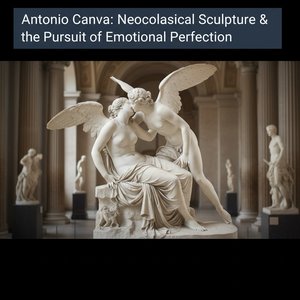
Antonio Canova: Neoclassical Sculpture & the Pursuit of Emotional Perfection
Explore the life & art of Antonio Canova, the greatest Neoclassical sculptor. Discover his masterpieces, innovative techniques, and lasting influence on fine art collecting. Expert insights for discerning investors.

Antonio Zucchi: A Venetian Master of Rococo & Neoclassical Charm
Explore the captivating world of Antonio Zucchi, a Venetian master of Rococo and Neoclassical art. Discover his collaborations with Robert Adam & Angelica Kauffmann, stunning frescoes, and enduring legacy. Learn about collecting Zucchi's works today.

Raja Ravi Varma: Bridging Tradition & Modernity in 19th-Century Indian Art
Explore the life & art of Raja Ravi Varma, a pioneer who fused European techniques with Indian iconography. Discover his iconic paintings, lasting legacy, and influence on modern Indian art at OriginalUniqueArt.

Antonio Zeno Shindler: A Pioneer of Cross-Cultural Portraiture in Early Modernism
Explore the life & work of Antonio Zeno Shindler, a pivotal figure in early modernist portraiture. Discover his unique style, anthropological collaborations, and lasting impact on cultural representation. Expert analysis for discerning collectors.


