

 实景预览
实景预览
 发送
发送 分享
分享
 详情
详情 指南
指南

 下载图片
下载图片
 相似作品
相似作品 X射线
X射线 幻灯片播放
幻灯片播放 统计数据
统计数据Sanyasi
 Oil On Canvas
- WallArt
- Orientalist
 1920
1920- 19th Century
 95.0 x 84.0 cm
 东方博物馆
东方博物馆
 阅读全文
阅读全文
艺术微喷/版画
博物馆级艺术微喷或帆布版画,制作高效,并提供多种饰面选择。 ( 订购此收藏品的纯手工复刻画作 切换至数字图像销售渠道)




P118B ¥10

P118H ¥10

P118W ¥10

P438Z ¥10

P508JH ¥12

P508YH ¥12

P805H ¥10

P805Z ¥10

P919BZ ¥10

P919G ¥10

P919XJ ¥10

P959ZH ¥10

P968JZ ¥12

W106C ¥8

W218G ¥10

W218JH ¥8

W218Y ¥10

W307PJ ¥10

W316G ¥10

W316PJ ¥8

W316Y ¥10

W398PJ ¥8

W4111J ¥10

W500HY ¥15

W500JH ¥15

W692G ¥12

W849H ¥8

W940BG ¥15

W953PJ ¥8




您可以从与原作比例一致的预设尺寸中进行选择。

请输入您所需的宽度和高度,以适配您的画框或墙面。由于印刷品只能进行裁剪,无法超出原图尺寸,因此若比例不一致,画面的一部分将会被裁切。在正式印刷之前,我们会为您发送一份数字效果图供您确认。本页面显示的图片并非最终裁剪后的效果——只有效果图才能展示真实的裁剪情况。


 玻璃选项仅适用于110厘米以下的尺寸。

Sanyasi
艺术微喷/版画
复刻品尺寸说明
-


总计金额
¥ 538
The Soul of the Ascetic: A Glimpse into Trindade’s Sanyasi
In the quiet, commanding presence of António Xavier Trindade’s Sanyasi, one encounters more than just a portrait; one meets a profound encounter with the spiritual essence of India. Painted in 1920, this masterful oil on canvas serves as a window into the life of a wandering holy man, an archetype of the East that continues to captivate the modern imagination. Trindade, often celebrated as the "Rembrandt of the East," utilizes a dramatic, directional light source to pull the subject from a dark, atmospheric void, thrusting him toward the viewer with an intensity that is both humbling and hypnotic. The composition is intimate, placing the sitter close to the pictorial surface so that his gaze—steady, weathered, and wise—demands a direct emotional response.
The painting is a triumph of classical realism, where every brushstroke serves to build a narrative of devotion and renunciation. Trindade’s Western academic training, honed at the Sir Jamsetjee Jeejeebhoy School of Art, allows him to render textures with breathtaking precision. One can almost feel the coarse weight of the orange robes, the rugged grain of the bamboo staff, and the sun-drenched, leathery texture of the sanyasi’s skin. Through the use of impasto, particularly in the highlights of the beard and the folds of the cloth, the artist adds a tactile dimension to the work, creating a sense of physical presence that makes the figure feel tangible, as if he might step out from the canvas itself.
Symbolism and the Tapestry of Devotion
Beyond its technical brilliance, Sanyasi is a rich lexicon of spiritual symbols. Every element held by the ascetic tells a story of his journey through samsara, the eternal cycle of life, death, and rebirth. The rudraksha beads draped around his neck are not merely ornaments but sacred reminders of divine connection, while the kashkul, or alms pot, held aloft in a gesture of solicitation, speaks to the humble, mendicant nature of his existence. Even the small marigold clinging to his beard serves as a poignant touch of the ephemeral beauty found in the midst of ascetic hardship. The matted hair, piled atop his head in a style reminiscent of Lord Shiva, further cements his identity as a figure of profound religious significance.
For the discerning collector or interior designer, this piece offers an unparalleled opportunity to introduce a sense of historical depth and contemplative calm into a space. The warm yellow tones and earthy ochres create an inviting warmth, while the dark, blurred background provides a sophisticated contrast that allows the artwork to anchor a room without overwhelming it. As a high-quality reproduction, this painting brings with it the dignity of the 19th-century academic tradition, making it an ideal centerpiece for those seeking to evoke themes of wisdom, resilience, and the timeless beauty of human spirit.
问答详情
安东尼奥·泽维尔·特林德 的《Sanyasi》 的实际尺寸是多少?
安东尼奥·泽维尔·特林德 的《Sanyasi》 的记录尺寸为 95 x 84 cm。您也可以按比例定制其他尺寸的复制品。
“Sanyasi”背后的艺术家与艺术风格是哪些?
安东尼奥·泽维尔·特林德 在 Orientalist 运动时期创作了《Sanyasi》。
"Sanyasi" 是否不受版权保护?
安东尼奥·泽维尔·特林德 的《Sanyasi》 属于 属于公有领域 —— 其版权已过期。此版权状态决定了该作品图像的复制方式。
艺术家简介
光影镌刻的生命:安东尼奥·哈维尔·特林德的世界
在印度艺术史的篇章中,安东尼奥·哈维尔·特林德(António Xavier Trindade)这个名字散发着一种沉静而强大的力量。他不仅仅是一位画家,更是一座连接文化的桥梁。1870年,他出生于果阿桑格姆的一个天主教家庭,其艺术旅程始于葡萄牙属印度那郁郁葱葱的自然景观与复杂的殖民历史交织的背景之中。这种成长环境深刻地塑造了他的艺术视野,使他的作品呈现出一种独特的融合:既有西方学院派训练的严谨,又蕴含着对印度生活与性格特质的内在理解。凭借早期的艺术天赋,他进入了著名的孟买贾姆塞特吉·吉吉巴博美术学院(Sir Jamsetjee Jeejeebhoy School of Art)。在这所关键的学府中,他在接触欧洲自然主义的同时,也见证了印度新一代艺术家的崛起。正是在这些神圣的殿堂里,他磨炼技艺,掌握了日后定义其标志性风格的技巧,并于1892年荣获梅奥银奖(Mayo Silver Medal),这便是对他蓬勃才华的有力见证。孟买画派与冉冉升起的明星
特林德在孟买艺术界的崛起是迅速且稳健的。1898年,他被任命为贾姆塞特吉·吉吉巴博美术学院的绘画教师,这不仅让他为后辈的艺术教育做出了贡献,更巩固了他作为新兴孟买画派领军人物的地位。随后,在1914年至1926年间,他担任雷伊艺术工作坊(Reay Workshop of Art)的主管,进一步影响了当时的艺术创作与教学实践。然而,成就他的并非仅仅是体制内的认可,更是其作品本身那令人沉醉的品质。虽然起初致力于传统的肖像画与风景画,但特林诞逐渐发展出一种以写实主义、对光影的高度敏感以及捕捉人物心理深度见长的风格。他因描绘印度女性时展现出的尊严与亲密感而闻名,这种视角在殖民时代的艺术中极为罕见,为观众提供了窥见社会期待之外生活的窗口。这也为他赢得了“东方伦勃朗”这一充满敬意的称号,既是对其精湛技艺的赞美,也是对其深刻洞察人类情感能力的认可。主题与技法:世界的交响
20世纪20年代见证了特林德艺术表达的成熟期,其作品愈发聚焦于肖像、风景与静物。他的画布成为了通往同时代人生活的窗口——无论是显赫的赞助人、家族成员还是平凡的个体——每一幅作品都以细腻的笔触和微妙而强大的情感共鸣呈现。1920年荣获孟买艺术学会金奖的《甜蜜的无所事事》(Dolce Far Niente,又名《弗洛拉或休憩的母亲》)便是这一时期的典范;它不仅是对一位女性休憩状态的描绘,更是对母性、宁静以及家庭生活之美的深度探索。同样,获得总督奖的《新年之歌》(1928年)与《印度女孩》(1930年),也展现了他以非凡的敏感度捕捉文化细微差别与个人特质的能力。特林德的技法植根于西方学院派原则——对明暗对照法的精通、精准的素描功底以及成熟的色彩理论——但他将这些元素注入了印度式的感性,创造出一种超越风格界限的独特视觉语言。他并非仅仅在复制所学之物,而是在进行转化,赋予其故土的精神灵魂。传承与永恒的影响 尽管晚年面临着健康衰退乃至失明的个人挑战,特林德在女儿安杰拉·特林德(Ângela Trindade)的支持下依然坚持创作,而安杰拉本身也是一位才华横溢、继承了父亲衣钵的艺术家。1934年,他的作品在伦敦威姆布利举行的帝国节(Festival of the Empire)展览中获得进一步认可,将其艺术推向了国际舞台。如今,安东尼奥·哈维尔·特林德的画作是博物馆与私人收藏家共同珍视的瑰宝,其中最著名的便是果阿东方基金会(Fundação Oriente)所收藏的重要作品集。该基金会设立的常设展览——包括2021年为纪念其诞辰150周年而举办的专题展——确保了他的艺术愿景能够持续激励并吸引后世观众。他的影响力已超越了单纯的美学欣赏;他代表了印度艺术史上一个关键的时刻,那是艺术家们开始锻造自身身份、将传统与现代融合并挑战盛行的殖民视角的重要时期。特林德的一生与作品,是艺术表达能够跨越文化边界、照亮人类共同经验的永恒见证。
代表作品
- 甜蜜的无所事事 (Dolce Far Niente / Flora or Mother Reclining) – 1920年孟买艺术学会金奖。
- 新年之歌 (New Year’s Song) – 1928年总督奖。
- 印度女孩 (Hindu Girl) – 1930年总督奖。
- 持瓶少女 (Girl with a Vase) - 新德里国立现代艺术馆。
- 绿色自画像 (Self-portrait in Green) - 东方基金会。

安东尼奥·泽维尔·特林德
1870 - 1935 , 印度
快速概览
- Artistic Movement Or Style: 孟买画派,现实主义
- Date Of Birth: 1870年
- Date Of Death: 1935年
- Full Name: 安东尼奥·泽维尔·特林德 (António Xavier Trindade)
- Nationality: 葡萄牙
- Notable Artworks:
- 《甜蜜的无所事事》(Dolce Far Niente)
- 《新年之歌》(New Year’s Song)
- 《印度教女孩》(Hindu Girl)
- 《持花瓶的少女》(Girl with a vase)
- Place Of Birth: 印度,桑凯姆 (Sanquém, India)
相关文章

Antonio da Correggio: Innovation, Illusionism & the Poetics of Grace in Renaissance Painting
Explore the revolutionary art of Antonio da Correggio, a master of Renaissance illusionism and chiaroscuro. Discover his frescoes, mythological paintings & lasting influence on Baroque art. Expert analysis & key works featured.

Raja Ravi Varma: Bridging Tradition & Modernity in 19th-Century Indian Art
Explore the life & art of Raja Ravi Varma, a pioneer who fused European techniques with Indian iconography. Discover his iconic paintings, lasting legacy, and influence on modern Indian art at OriginalUniqueArt.
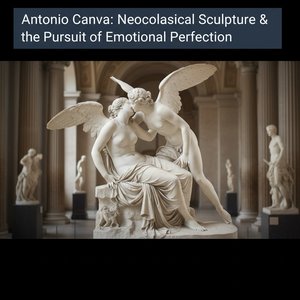
Antonio Canova: Neoclassical Sculpture & the Pursuit of Emotional Perfection
Explore the life & art of Antonio Canova, the greatest Neoclassical sculptor. Discover his masterpieces, innovative techniques, and lasting influence on fine art collecting. Expert insights for discerning investors.

Antonio Zucchi: A Venetian Master of Rococo & Neoclassical Charm
Explore the captivating world of Antonio Zucchi, a Venetian master of Rococo and Neoclassical art. Discover his collaborations with Robert Adam & Angelica Kauffmann, stunning frescoes, and enduring legacy. Learn about collecting Zucchi's works today.

Antonio Zeno Shindler: A Pioneer of Cross-Cultural Portraiture in Early Modernism
Explore the life & work of Antonio Zeno Shindler, a pivotal figure in early modernist portraiture. Discover his unique style, anthropological collaborations, and lasting impact on cultural representation. Expert analysis for discerning collectors.


